

Zuko Komisa
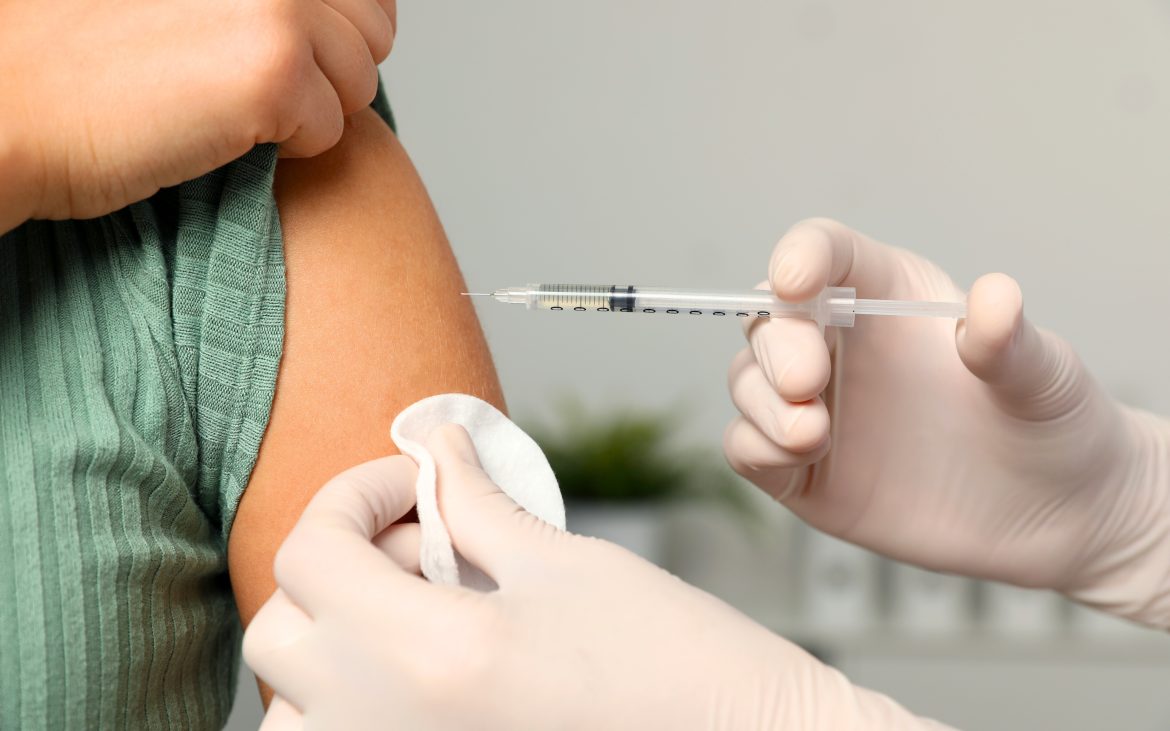
A potential game-changer in the fight against HIV has emerged, as early safety trials for a revolutionary annual injection have yielded positive results.
The drug, lenacapavir, designed to prevent HIV replication within cells, has successfully passed crucial initial safety tests, bringing hope for a simpler, more accessible form of HIV prevention.
According to aidsmap.com researchers involved in the study are optimistic that if subsequent trials prove successful, this annual injection could become the longest-lasting preventative measure against HIV to date.
This development marks a significant step forward from current pre-exposure prophylaxis (PrEP) methods, which require either daily pills or injections every eight weeks.
“The need for consistent, regular dosing can be a significant barrier for many individuals,” explained a lead researcher.
“An annual injection would dramatically improve adherence and accessibility, particularly in regions where healthcare infrastructure is strained.”
Currently, PrEP has proven highly effective in preventing HIV transmission. However, the requirement for frequent dosing can pose challenges, impacting consistent use. The prospect of a single annual injection offers the potential to overcome these obstacles, potentially revolutionizing HIV prevention strategies.
This breakthrough holds significant implications for global efforts to combat the HIV epidemic. According to the World Health Organization (WHO), approximately 39.9 million people worldwide are living with HIV, with a disproportionate 65% of cases concentrated in the African region.
READ NEXT: Thabo Bester takes prison conditions legal battle to ConCourt
![[WATCH PODCAST] Kabelo Mabalane teams up with The Arrows for infectious comeback track ahead of 10th studio album](https://www.kaya959.co.za/wp-content/uploads/2026/10/KAYA-959-THUMBNAILS-1170x658.png)

![[WATCH PODCAST] Kabelo Mabalane teams up with The Arrows for infectious comeback track ahead of 10th studio album](https://www.kaya959.co.za/wp-content/uploads/2026/10/KAYA-959-THUMBNAILS-100x100.png)