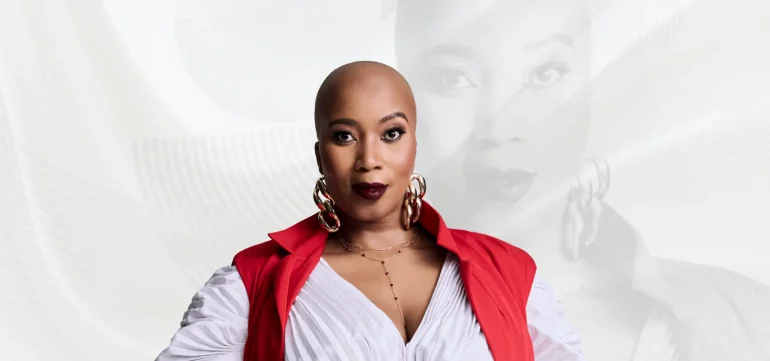

From menstrual health and STI screening to HPV vaccination and cervical cancer prevention, gynaecological appointments can help women make informed decisions about their health at every stage of life.

Out with the old, in with the new. Visiting a gynaecologist should not only happen when a woman suspects something is wrong with her body.
Regular healthcare visits can help women understand their reproductive health, recognise unusual changes and discuss concerns before they become more serious.
These appointments also provide an opportunity to discuss sexually transmitted infections (STIs), contraception, menstrual health and other aspects of overall wellbeing.
For many women, seeking medical attention can be complicated by what is often described as medical misogyny, where their pain and symptoms are dismissed or downplayed.
Period pain, for example, is frequently treated as a normal part of being a woman, even when it is severe enough to interfere with daily life.
However, understanding what is normal for your body and knowing when to seek help is an important part of looking after your health.
When should young girls visit a gynaecologist for the first time?
Dr Palesa Pule, an obstetrician and gynaecologist, says young girls should visit a gynaecologist within the first year after their periods begin.
“This is mostly to have conversations around what acceptable menses are and also to define what abnormal menses are. I would also educate on the type of discharge they should expect at different phases of their menstrual cycle. Education on vaginal health and hygiene would be given and the type of abnormal discharges there are. For most ladies this would be around the ages of 13-15. abnormal discharge is a discharge that is malodorous, itchy or painful and is greenish/ yellow in color”.

These conversations can help young women understand how their menstrual cycles work, what changes to expect throughout the month and which symptoms may require medical attention.
Dr Pule also advises young women to consider a gynaecological consultation before starting tertiary education or becoming sexually active.
These appointments can provide an opportunity to discuss contraception, including the benefits and risks of different methods based on an individual’s needs.
“This would also offer an opportunity to ensure that they receive the HPV vaccine if they haven’t done so already”.
HPV vaccine: Who needs it and how does it work?
Human papillomavirus (HPV) is a common group of viruses, some of which can be transmitted through intimate skin-to-skin and sexual contact. Certain types cause genital warts, while others can cause cancers, including cervical cancer.
Most HPV infections clear naturally. However, some infections persist and can eventually lead to cancer.
The HPV vaccine helps protect against the types of HPV responsible for most cases of cervical cancer, as well as several other HPV-related cancers and, depending on the vaccine, genital warts.
These cancers can include cancers of the vulva, vagina, penis and anus, as well as some cancers of the mouth and throat.
The vaccine works by helping the immune system recognise and defend against targeted HPV types before an infection occurs. It offers the greatest benefit when administered before exposure to HPV, which is why vaccination is recommended during childhood or early adolescence.
Women and girls who have not been vaccinated should speak to a healthcare professional about whether vaccination is appropriate for them.
Which cancers should women know about?
Understanding cancer risks and knowing their family medical history can help women have more informed conversations with healthcare professionals.
Dr Pule highlights several cancers that affect women, including cervical, breast, endometrial, ovarian and vulval cancers.
Cervical cancer is strongly associated with persistent infection with high-risk types of HPV. HPV vaccination and appropriate cervical screening can help reduce the risk of developing the disease.
“Breast cancer ( it remains the number 1 killer of women globally). Has a strong genetic component,” said Dr Pule.
Breast cancer risk can be influenced by several factors, including age, family history, inherited genetic changes and hormonal and reproductive factors. Having a family history does not automatically mean someone will develop breast cancer, but it is important to discuss relevant family history with a healthcare professional.
Endometrial cancer, which affects the lining of the uterus, is associated with factors including obesity, diabetes and prolonged exposure to oestrogen without sufficient progesterone.
Ovarian and vulval cancers are also important for women to be aware of. Persistent symptoms or unusual changes should be assessed by a healthcare professional rather than ignored.

Important health checks women should discuss with their doctors
The right screening schedule depends on a woman’s age, symptoms, sexual history, medical history and individual risk factors. However, there are several important areas women can discuss with their healthcare providers.
1. HIV and STI screening
Women who are sexually active can discuss HIV and STI testing with a healthcare professional. How often testing is needed depends on individual circumstances, possible exposure and the type of test.
2. Cervical cancer screening
Cervical screening can identify HPV infections or cell changes that may lead to cervical cancer. Women should ask which screening method is recommended for their age and medical history, and how frequently they should be screened.
3. Understanding your family cancer history
Knowing whether close relatives have had breast, ovarian, cervical or other cancers can help a healthcare professional assess whether additional risk assessment or screening may be appropriate.
4. Menstrual and reproductive health assessment
Women experiencing severe period pain, unusually heavy bleeding, irregular periods, persistent pelvic pain or other concerning symptoms should seek medical advice.
A healthcare professional can assess whether conditions such as endometriosis, fibroids or polycystic ovary syndrome (PCOS) may be contributing to their symptoms.
5. Contraception and sexual health
Gynaecology appointments provide an opportunity to discuss contraception, pregnancy prevention, menstrual concerns and sexual health. The most suitable contraceptive method depends on an individual’s health, preferences and circumstances.
6. Breast health awareness
Women should become familiar with how their breasts normally look and feel, and seek medical advice if they notice a new lump, unusual nipple discharge, skin changes or other persistent changes. The need for routine breast screening depends on age and individual risk.
Listen to your body
Regular healthcare appointments are not only for when something feels wrong. They can help women understand their bodies, ask questions and make informed decisions about their health.
Severe period pain, persistent unusual discharge, unexplained bleeding and ongoing pelvic discomfort should not simply be accepted as part of being a woman.
Knowing what is normal for your body is important, but so is seeking medical advice when something changes. Dr Pule says women do not have to wait until a symptom becomes unbearable before asking for help.
READ NEXT: