
Psychological trauma is an emotional response to an experience that happened in a person’s life that left him or her feeling stressed.
According to Dr Happy Setsiba, a clinical psychologist, this experience or event makes it difficult for the person to go on.
Many South Africans have been faced with a lot of challenges that have left them feeling traumatised.
The clinical psychologist says the pandemic has made things even worse.
“COVID-19 has made it very difficult for us to understand where we are at psychologically, because we lose our loved ones. We go through multiple traumatic experiences in the form of loss of loved ones [and] unexpected losses,” says Dr Setsiba.
READ: Andile Gaelesiwe opens up about her sexual trauma in new book
She adds that the “violence that is happening around us, accidents, rape cases, and other natural disasters” have also greatly contributed to the high levels of stress that many of us are experiencing.
How to identify psychological trauma
Dr Setsiba says psychological trauma is not always visible like physical trauma and she says it is very difficult to identify.
The clinical psychologist says that “it is possible to be traumatised over and over and not even realise it.”
She says it is like an injury to the mind.
What makes it difficult is that sometimes it is brought on by events that happened to other people which you got exposed to. For instance, hearing of bad news on television or social media, or something that happened to people close to you.
“Just like physical trauma, you feel like you bleed inside because there has been some injury that has been inflicted on your psychological, mental, and emotional functioning.
“You have what we call an emotional wound,” says the expert.
READ: Thomas and Skhumba: It’s okay not to be okay – Your mental health matters
Another way to realise if you are suffering from psychological trauma is to check how your life has been affected after the traumatic experience you had.
“After being exposed to that experience, it may be very difficult for you to cope because you realise that whatever that you have witnessed has affected you – has affected the way you think, has affected the way you feel,” says Dr Setsiba.
Moving forward
Dr Setsiba says it is important for wounds to heal.
One of the tools that can be used to heal from the trauma is to open up about the feelings.
“The more we share, the more we realise that we are not alone,” says the clinical psychologist.
She adds that many people who suffer from psychological trauma blame themselves.
“The events leave you with a lot of guilt, anger, and intense regret,” she says.
But she says it is important to understand that “the exposure and incidents are uncontrollable, they are unplanned.”
Lastly, it is important to take your mental health seriously and to seek professional help to assist you to better cope with psychological trauma.
READ: Coping with the death of a loved one during COVID-19 pandemic
The following organisations help people who are dealing with trauma.
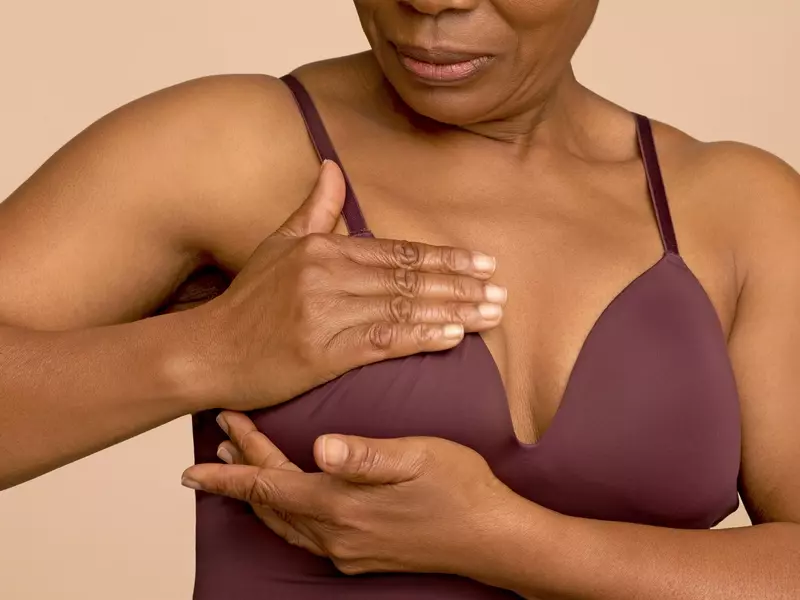
Image courtesy of Pexels/ Alex Green


![[WATCH PODCAST] Mr. Mercedes drops highly anticipated project, joining forces with Thabo Smol and Spice Drums](https://www.kaya959.co.za/wp-content/uploads/2026/10/KAYA-959-THUMBNAILS-79-100x100.png)
![[WATCH PODCAST] Tumisho Masha commands the screen as colonel Jack Phatudi in M-Net’s new must-watch series](https://www.kaya959.co.za/wp-content/uploads/2026/10/KAYA-959-THUMBNAILS-78-100x100.png)