
By: Poelano Malema
Losing a loved one is one of the most painful experiences, yet, death is something we cannot run away from.
To date, the coronavirus has resulted in 3.9 million deaths worldwide.
Dr Happy Setsiba, a Clinical Psychologist at Med-forum Hospital in Pretoria, says the circumstances and regulations around COVID-19 deaths have worsened the trauma for those who have lost their loved ones.
The doctor says although it is important to adhere to the regulations because they are there to protect lives, those who are affected by death might feel lonely.
“I’ve seen quite a number of patients who have lost their loved ones due to COVID and what I hear them say is that the traumatic thing is you are alone during the period.”
Unlike pre-COVID-19 funerals where you would be surrounded by a great number of loved one, COVID-19 has led to the government only allowing 50 people at the funeral to minimise the spread.
She says this can lead to some people feeling more devastated because most of their loved ones are unable to attend the funeral or comfort them.
READ: Clement Maosa on healing from his parents’ death
Dr Setsiba says some people don’t even mourn their loved ones and don’t know how to deal with the pain.
“Most of them say, ‘we don’t even cry. More than anything, our feeling have frozen. We don’t know how to handle it’,” she says.
She adds that people don’t have time to share their feelings with those close to them due to visits being prohibited.
“You hardly have enough time to share this pain with your friends and many other people that would come to see you as we are used to in our cultures. COVID-19 has caused more damage to an already damaged heart, emotions, and mind of people.
“The COVID has isolated and people feel estranged and alone with no support.”
As a result, Dr Setsiba says the pain might take much longer to heal.
“It’s a pain that might last forever because they never really had the time to deal with this pain. They never had the time to process the pain,” she adds.
How to reach out to affected families
Dr Setsiba says that “COVID-19 should not stop us as a society to find ways to still connect with the families of those who have lost their loved ones.”
She says people should use social media to offer support.
“These days we use virtual forms of interaction,” says the Clinical Psychologist.
She says friends and loved ones can even attend virtual funerals. This will offer comfort to the family.
“It is comforting to know that people are there, even though they aren’t there physically,” she adds.
Apart from connecting using social platforms, Dr Setsiba says small gestures such as sending flowers will make the family know you care.
The Clinical Psychologist says people who lost their loved ones should reach out for help, especially if they are not coping.
“Don’t allow COVId-19 to shut you out. This is the time where we need to establish ties as much as possible,” she says.
She adds that health workers are also there to help.
“We are here as part of the lifeline. Even if you don’t see psychologist, go see social workers, go see pastors. Go to people that you trust and talk to them. Connect. Increase your network of support as much as possible. This is the time where we need each other,” she concludes.
READ: Gauteng Health concerned over increase in new cases
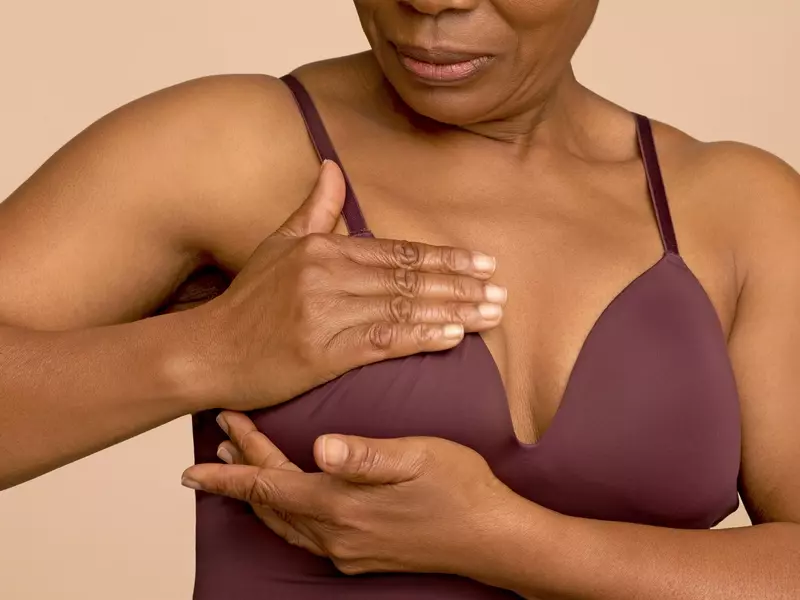
Image courtesy of Pexels/ @Mike



![[WATCH PODCAST] Mr. Mercedes drops highly anticipated project, joining forces with Thabo Smol and Spice Drums](https://www.kaya959.co.za/wp-content/uploads/2026/10/KAYA-959-THUMBNAILS-79-100x100.png)
![[WATCH PODCAST] Tumisho Masha commands the screen as colonel Jack Phatudi in M-Net’s new must-watch series](https://www.kaya959.co.za/wp-content/uploads/2026/10/KAYA-959-THUMBNAILS-78-100x100.png)