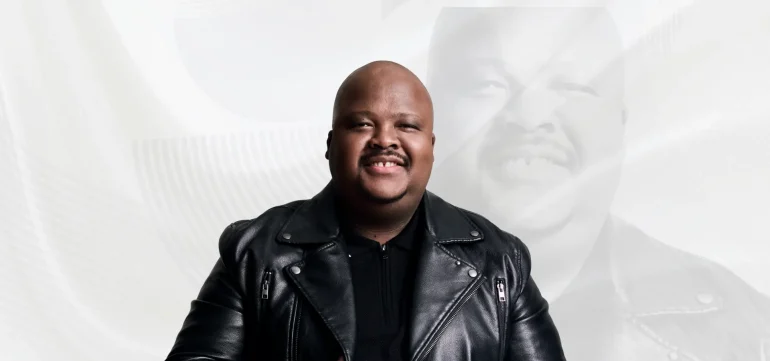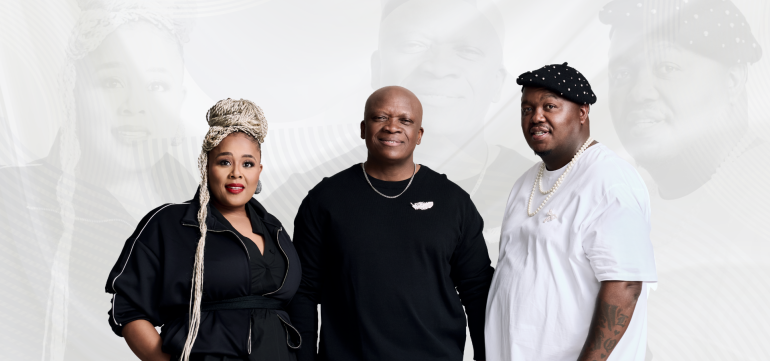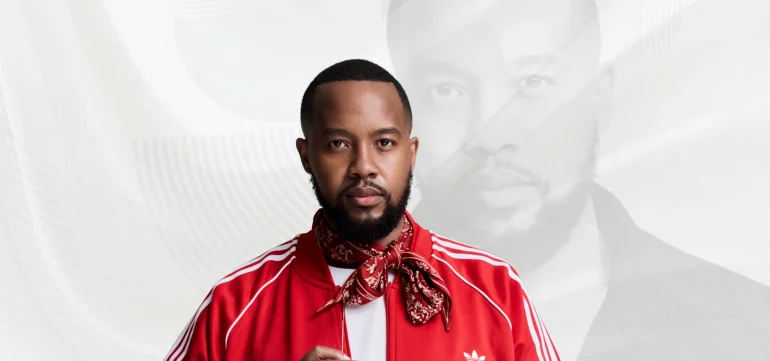
Ahead of Women’s Month, the Mdlwembe hitmaker talks health scares, being let down, and why “She Nailed It” is his most personal single yet.
By Katlego Sekhu
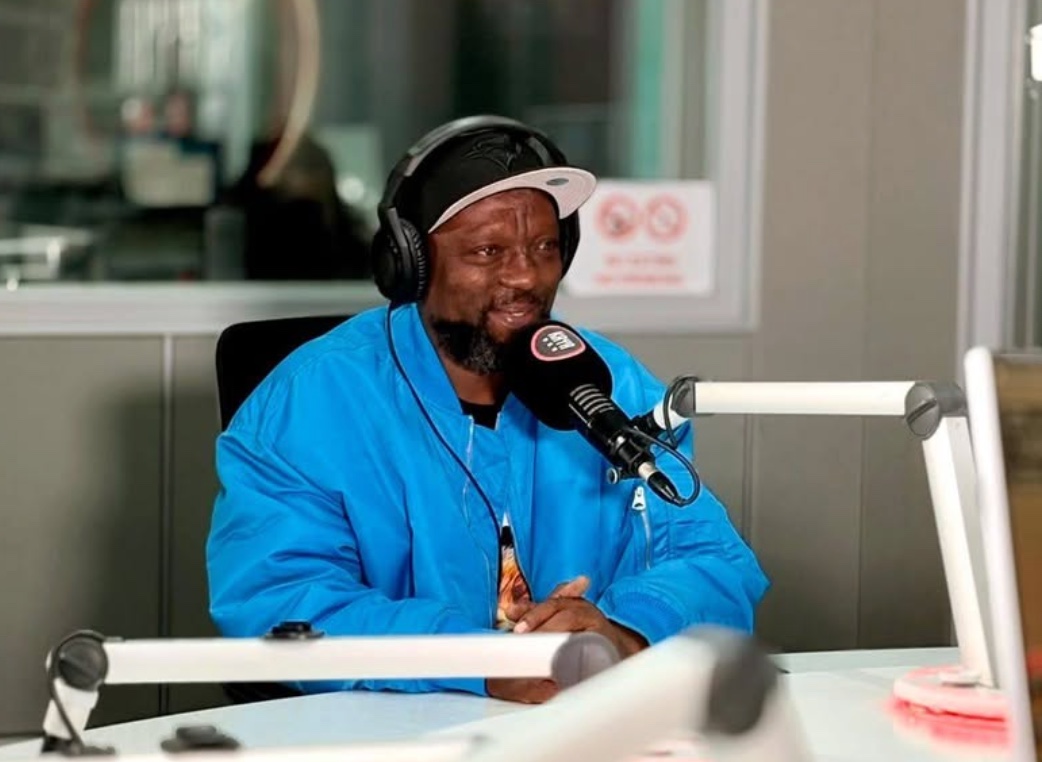
Zola 7 recently joined Kaya Breakfast for Fresh Fridays for a conversation that moved between two very different registers: the joy of a comeback and the honesty of a man who has been through it.
The kwaito icon spent years using his television platform to change lives quietly – libraries, school fees, rent, and, as Fresh recalled on air, the odd frantic request for delivery trucks from strangers who believed he could make anything happen.
But the last few years have been harder, and Zola has not hidden from that. Asked whether people let him down while he was dealing with health issues, he was clear that he does not see it that way. “I don’t think anybody owed me anything,” he said. “It’s how I was raised. And if I’m in that space, I’m doing that for other people.” He added that the people who showed up, showed up, and the rest had their own battles: “Those who came through, came through. And those who couldn’t, couldn’t.”
He was candid, too, about the strange discomfort of being checked on during that time, admitting he sometimes wondered about the motives behind the calls. “I was suspicious of other people,” he said. “Are they coming here to check if I’m alive?”
Today marks a new chapter. His single “She Nailed It”, produced by Ali Keys, is out, timed deliberately for the day before Women’s Month begins. Zola described the song as a tribute to the women who shaped him, from family to the wider circle of South African women he admires.
“I think it was all of them in the room in my head,” he said, “but it was also about a lot of other South African women that I hold very high.” He was direct about who the song is for: “It’s a song that I’d like to throw out there to all the women who actually work hard to make this country what it is.”
On the sound itself, Zola credited producer Ali Keys with protecting the DNA of his music rather than modernising it out of recognition. “I think I found Ali Keys, who kind of like also grew up with my music,” he said, adding that Keys understood the record without needing direction: “He placed it without me telling him. That means he’s been listening for all of these years.”
Looking back on a career that spans two decades, a pre-social-media era of platinum plaques and national fame, Zola said he wouldn’t change the path he walked, health scares included. “I don’t think I would have really changed anything,” he said. “I would have just done it exactly the way it is now.”
He closed with a message aimed squarely at the women the song was written for, encouraging the audience to protect their peace ahead of anything else. “The important thing is she must try to feel good about herself,” he said, urging listeners to do “serious load shedding” on negative people in their lives and to “not allow other people to drag you down.”
To hear the full interview, listen to the Kaya Breakfast podcast.
READ NEXT: How a Johannesburg schoolboy made history at the Startup World Cup in Davos