Twelve-year-old Lubanzi Dube turned his own struggle with flat feet into SolEase, the business that made him and MiniBoss Business School the first South African team to win the global title.
By Katlego Sekhu
South Africa has never won the Startup World Cup Championship. Until now.
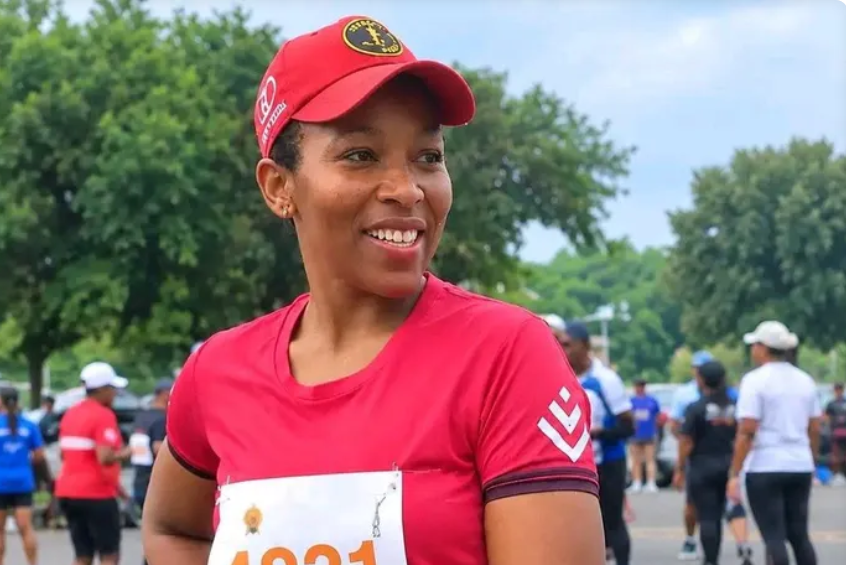
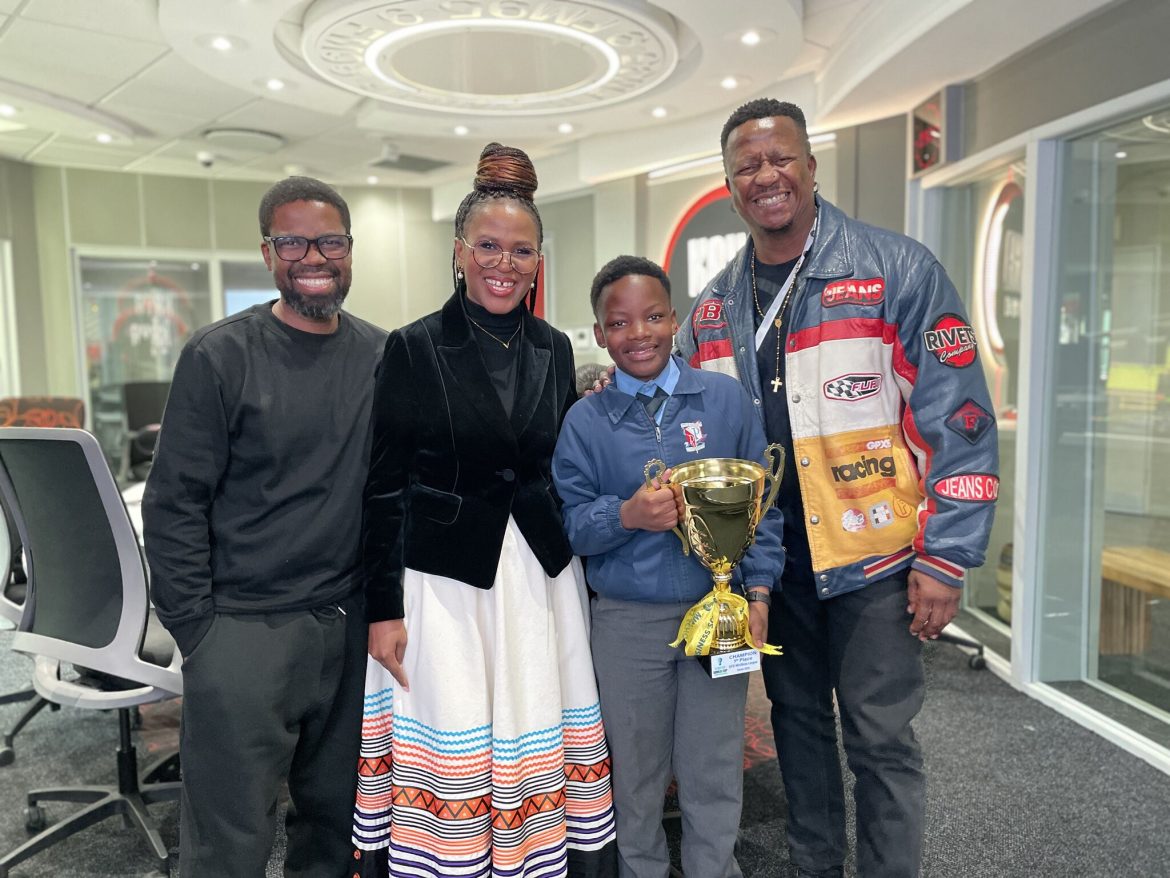
Twelve-year-old Lubanzi Dube, a student at MiniBoss Business School in Johannesburg, was crowned Startup World Cup Champion 2026 in Davos, Switzerland, at Global Business Week, making his team the first from South Africa, and the first from Africa, to take the title. His winning business, SolEase, makes orthotic insoles and supportive footwear, a problem he understands from the inside. Lubanzi lives with flat feet himself.
“When I discovered I had flat feet, when I thought I couldn’t find comfortable shoes for myself,” he says, “some shoes, like nice shoes, when I liked them, and I fitted them, they didn’t quite fit my feet properly. That’s why I said let me turn this problem into a business and try and make a solution to it.”
Lubanzi was introduced to MiniBoss Business School by his aunt, who is friends with the school’s director, Wendy Selinyana. “She sends, and she said that this would be a good idea for a boy,” Lubanzi explains. “And I said, okay, and then I tried out for MiniBoss.”
MiniBoss is an international business school for children aged six to eighteen, teaching business skills, leadership and innovation while students build a real business of their own. Silinyana started the Johannesburg branch, the first in Africa, after a formative experience as a jury member at the Startup World Cup Championship in 2021.
“I walk into this virtual room and there’s no single African child,” she says. “I was fascinated by the fact that young children are speaking business language and they have businesses that you can actually export into other countries. So I got challenged by that.”
She saw something in Lubanzi from their first interview. “I felt like I was talking to an adult during the interview, not a boy,” she says. “The kind of things you wanted to solve, you could tell that there’s a leader in him. Our role as MiniBoss is to unleash every child’s full potential.”
Turning the idea into an actual product took trial and error at home. “My mom and I would try different varieties of insoles for feet, to see which one is the most comfortable,” Lubanzi says. He knew he had something worth pursuing the moment he won his first competition. “Often they say if you want to make real money in business, solve a problem,” he says. “I’m flat-footed, and I’m going to have to support you because you’re going to solve my problem of walking around like a duck.”
Getting from a MiniBoss classroom to the Davos stage follows a structured path, Silinyana explains. Students start with three months of business theory, then move into practice, developing and packaging an idea, before showcasing it to angel investors and business leaders at a local startup forum. From there, top ideas go on to represent their MiniBoss or BigBoss branch at the Startup World Cup Championship itself. The school previously won a UN Gold Award, but this is its first world championship title, and South Africa’s first.
Back at school, the reaction was immediate. “Everybody said, I saw your business idea, well done,” Lubanzi says. “They were really proud of me because they couldn’t believe that I was solving a problem to other children, to other people.”
MiniBoss runs as a weekend school, with other young entrepreneurs currently developing an anti-bullying clothing brand carrying positive messaging, a board game teaching children about safety and cyber security, and businesses spanning candles, golfwear, writing and art.
SolEase products are available through Lubanzi’s online store.
To hear the full interview, listen to the Kaya Breakfast podcast.
READ NEXT: ‘Are we fundamentally incompatible when it comes to money and parenting?’- The Blind Spot