
Katlego Sekhu
From energy loss to misdiagnosed anxiety, Dr Mpume Zenda unpacks the symptoms women write off as “just stress.”
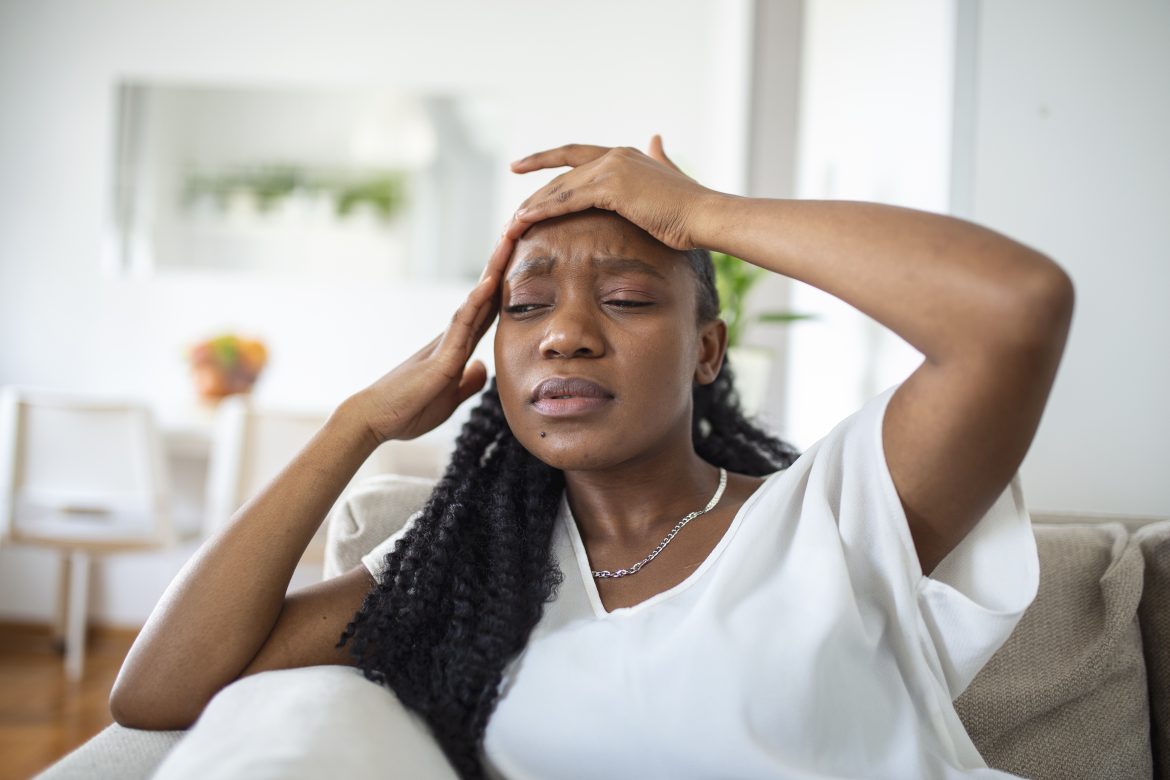
Most women wait until their late 40s to think about menopause. Dr Mpume Zenda says that is often already too late to catch the phase that matters most.
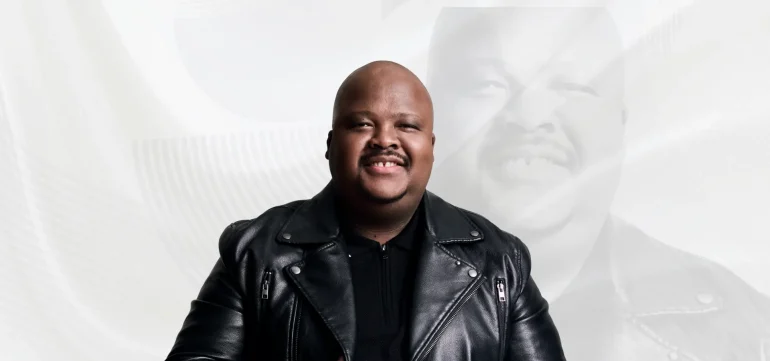
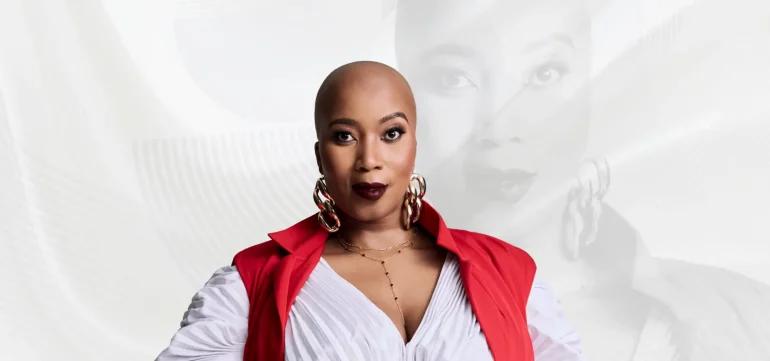
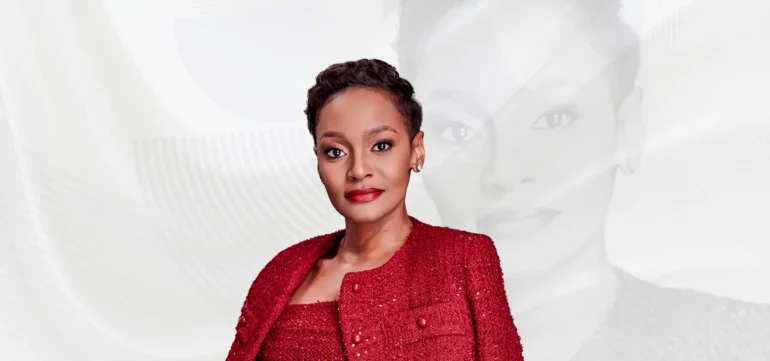
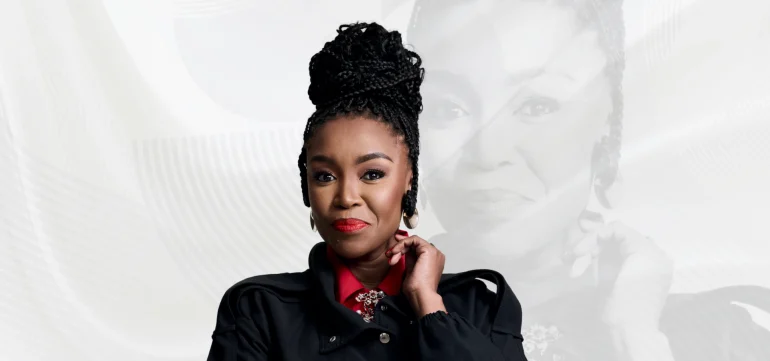
The obstetrician and gynaecologist joined DJ Fresh, Thato and Mpho for this month’s instalment of After 40 Is After 40, unpacking the difference between perimenopause and menopause, the symptoms women often dismiss as stress, and how men can better show up for the women in their lives going through it.
The line between perimenopause and menopause
The two terms get used interchangeably, but Dr Zenda draws a clear distinction between them.
“The difference between perimenopause and menopause is that with menopause, you would have missed 12 consecutive menstrual periods, and then you’ll say, I have menopause,” she explained. That, on average, happens between the ages of 48 and 52, though it can shift depending on when your mother went into menopause.
Perimenopause is the stretch before that, and it can last far longer than most people expect. “It can be anything between four to ten years,” said Dr Zenda. “From the age of about 35, our superpower hormones, oestrogen, testosterone and progesterone start to tank slowly. And because it’s happening slowly, it’s not an abrupt change.”
That slow decline is exactly why perimenopause is so easy to miss. Periods may just become a little irregular. Some women never even get hot flushes, one of the symptoms most associated with the phase.
The symptoms women write off as something else
According to Dr Zenda, the most common signs are a loss of energy, a drop in libido and unexplained weight gain, “where you’re still doing twice as much at the gym, but nothing’s happening.”
There is a more serious pattern hiding underneath those symptoms, too. “A lot of women get misdiagnosed with mental health conditions around this time, depression, anxiety, because of that, without having been worked up or investigated properly for actual perimenopause and menopause,” she said.
She spoke from experience. “I was 39, and I literally was about to book a psychiatric consultation because I was like, I can’t get out of bed, I’ve got no energy, I don’t want to do anything. And I was like, girl, go check your things.”
Part of the problem, she explained, is that perimenopause tends to land at the busiest point in a woman’s life. “Very often there’s a teenager in the house who’s going through puberty, so you guys are throwing things at each other at the same time. But also, you are high functioning, you’re at the peak of your career, there’s a lot more stress than usual.”
The result is that women explain away the very symptoms that could point them to an answer. “A lot of women think, oh no, I’m just tired. Oh no, I’m just stressed. Oh no, I’ve just got a teenager in the house.”
How men can actually show up
Asked how men can better support the women in their lives through this phase, Dr Zenda pointed first to communication, and to removing the shame attached to it.
“I think first of all, we need to take away the stigma and create a safe space for women to be able to say, I’m really going through this,” she said. “The reassurance starts with the self first, knowing that getting older doesn’t mean your womanhood is gone, your lustre, your youthfulness is gone.”
Her advice to women is to be direct about what they need, rather than expecting people to guess. “Ask for what you need, and don’t assume that people will just telepathically know,” she said. “Don’t just say, I’m just in a mood. It’s like, I feel, I would like, and so on. And it’s okay for it to change at any given moment. Today you might want ice blocks, tomorrow you might want to be left alone.”
Above all, she pushed back on the idea that perimenopause is something to hide. “The biggest element with regards to how men can actually get to a point where they are able to support us is that we as women need to de-stigmatise having these conversations openly, so that they also understand that this is a normal part of being a woman. It’s not a disease.”
What actually helps
Dr Zenda’s practical advice starts long before perimenopause begins. “What you do in your 20s and your 30s makes a big difference,” she said, pointing to strength training over cardio as one of the most effective habits. “Strength training does a lot more, it kind of holds your muscle and it allows you to lose that weight, muscle mass.”
She was equally direct about therapy. “Go see somebody if you are especially feeling like you’re struggling with the overwhelm of everything.”
For anyone wanting to read further, she pointed to a specific source. I know particularly the ACOG, American College of Obstetricians and Gynaecologists, they’ve got very nice patient or client information that is easy to read.”
To hear the full discussion, listen to the podcast.
Read Next: Simphiwe Dana opens up about grief, healing and the making of MOYA