
Equal Education Spatial Justice Researcher Kimberly Khumalo unpacks why poor long-term planning, rather than migration, has left roughly 77,000 Gauteng pupils waiting for school placements ahead of the new academic year.
By Zuko Komisa
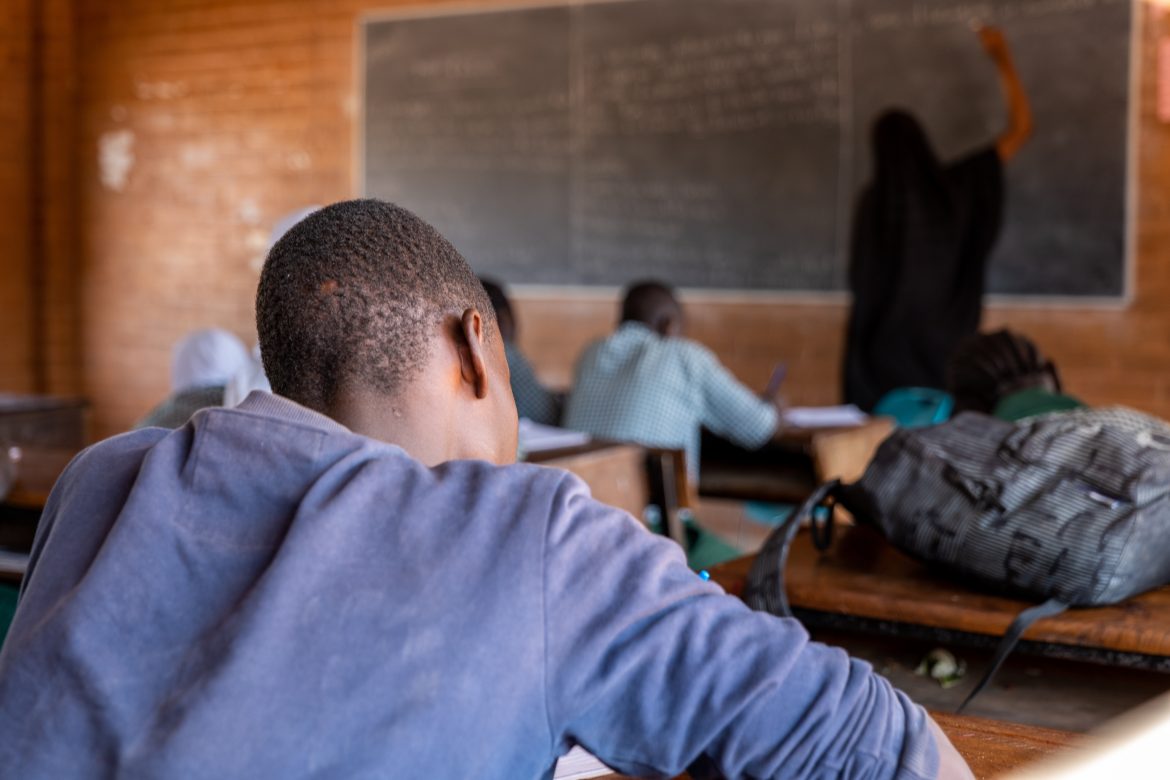
Roughly 77,000 Grade R, Grade 1, and Grade 8 pupils in Gauteng are still awaiting school placements as the academic year ends.
While the provincial Department of Basic Education urges calm after placing over 267,000 learners, activists warn this recurring bottleneck stems from poor long-term planning rather than unforeseen migration.
Point of View with Phemelo Motene spoke to Equal Education Spatial Justice Researcher Kimberly Khumalo who noted that online administrative upgrades cannot fix a physical shortage of classrooms, which inevitably forces unplaced pupils into overcrowded schools come January.
“It’s frustrating that we find ourselves in this position every single year, and most probably in January we will be inundated with calls of parents speaking to the fact that they haven’t found placement yet,” Khumalo said.
“And most of the placements that happen in that scramble are to already overcrowded schools.”
With 278 schools reportedly full, officials have blamed high inward migration. Khumalo dismissed this excuse, noting that private school developers easily track urban growth and build campuses in booming Gauteng neighbourhoods.
“It’s a little bit strange that private schools are able to find themselves immediately in private developments that pop up around the Gauteng city region, but the Department of Basic Education is unable to meet that need,” she noted, calling the claim that the state cannot plan ahead a “cop-out.”
Poor coordination between contractors and government departments has also left newly built schools standing empty while existing ones lack basic infrastructure. To ensure a fair spread of pupils, Equal Education is demanding the urgent finalisation of court-ordered national school capacity norms, preventing wealthier schools from declaring themselves full prematurely while under-resourced schools absorb the overflow.
“We are advocating towards the finalisation of those school capacity norms, because what they would do is make sure that there is a more equitable distribution of learners in schools,” Khumalo explained.
“So certain schools can’t say they are full when they are not, and schools that are already full can have that bargaining power to say they can’t have more learners in them.”
Listen to the podcast for the full conversation. Kaya 959 podcasts are available to download.
READ NEXT: