

By: Natasha Archary
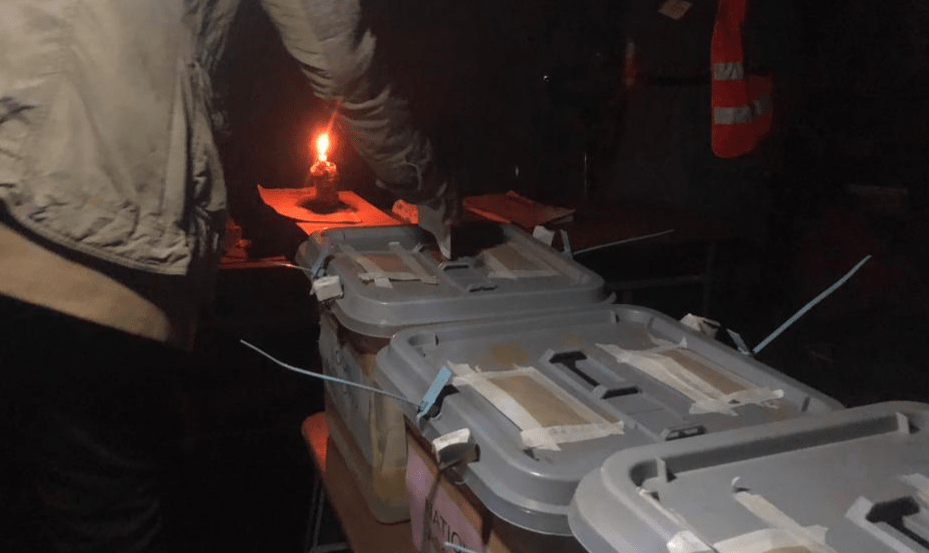
Zimbabwe has extended its elections due to massive delays at the polls, which opened late on Wednesday, 23 August.
About 30% of polling stations in Zimbabwe received ballot papers late, with some reportedly receiving a shortage of ballots.
The Zimbabwean government attributed the problem to litigations prior to the elections.
This despite Zimbabweans queuing for hours to cast their votes.
Only 6.6 million of the country’s population were registered to vote out of 15 million, excluding expats.
The Zimbabwe Electoral Commission (ZEC) were accused of sabotaging the elections, and trying to sway the votes, with claims that some candidates names were left off the ballot papers.
ZEC denied this, stating there was simply a delay in the printing of ballot papers.
Some citizens say although they registered to cast their votes, their names were not at the polling station, and therefore they were turned away from voting.
Zimbabwe’s current President, Emmerson Mnangagwa seeks a second term in office against a backdrop of the highest inflation in the country since former President Robert Mugabe’s rule.
According to reports out of Zimbabwe, a number of polling stations still did not receive ballot papers by 19h00 on Wednesday night, when voting stations were set to close.
No internet access during elections
Meanwhile, Zimbabwe has become the 19th African country to restrict the internet amid elections, Surfshark’s Internet Shutdown Tracker shows.
The country has degraded internet access during the elections, making it difficult for Zimbabweans to keep informed.
“The internet stands as an indispensable component of democratic elections, enabling individuals to readily access information from diverse sources, engage in meaningful discussions with friends and family, and cultivate impartial viewpoints. However, in instances where the internet is either fully shut down or just restricted, the integrity of the election process is put in jeopardy”, says Gabriele Racaityte-Krasauske, Surfshark spokeswoman.
Here are the key findings about Zimbabwe:
- This is Zimbabwe’s 7th internet restriction since 2015 — all previous restrictions happened amid protests.
- While the country hadn’t restricted the internet amid elections until now, 3 restrictions that happened in 2022 took place amid opposition rallies or protests.
- This is the first time in two years that any African country has restricted the internet amid elections.
- In Africa, 19 countries have restricted the internet amid elections since 2015 — the most recent cases were registered in Zambia, Congo, and Uganda.
Also read: WATCH: Modi stops to greet supporters en-route to BRICS
We value your feedback:
[vfb id=97]






![[WATCH PODCAST] Kabelo Mabalane teams up with The Arrows for infectious comeback track ahead of 10th studio album](https://www.kaya959.co.za/wp-content/uploads/2026/10/KAYA-959-THUMBNAILS-100x100.png)