

By Mapaballo Borotho
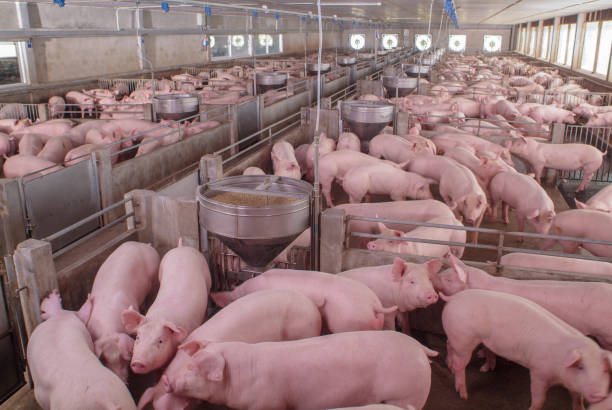
- African Swine Fever has affected thousands of pigs in Tshwane, forcing farmers to cull more than 60 000 animals to contain the outbreak.
- The outbreak has already cost the South African Pork Producers’ Organisation millions, while affected farmers continue to count their losses.
- Although the disease does not affect humans, it could have economic consequences for the pork industry and consumers.
Seven outbreaks of African Swine Fever (ASF) have been reported in the City of Tshwane, dealing a significant blow to Gauteng’s pig farming industry.
According to media reports, at least 69 171 pigs have been affected, with more than 60 000 already culled in an effort to contain the disease.
The South African Pork Producers’ Organisation (SAPPO) has already spent an estimated R10 million on response measures, including culling, carcass disposal and labour.
However, this figure does not include the direct financial losses suffered by affected farmers, which have yet to be submitted to the Gauteng Department of Agriculture and Rural Development.
The scale of the outbreak was revealed by Gauteng MEC for Agriculture and Rural Development, Vuyiswa Ramokgopa, in an oral reply to questions tabled by the Democratic Alliance (DA) in the Gauteng Provincial Legislature.
Ramokgopa said her department is providing advisory and supervisory support while working with the national government, SAPPO and private veterinarians to contain the outbreak.
However, the DA says farmers need more than advice after the disease has already caused widespread losses.
“This is not just an animal health crisis. It is a direct blow to farmers, farm workers, food security and the already battered meat industry in Gauteng. The MEC’s response provides very little comfort that the department has a proactive, fully funded and transparent outbreak management plan in place,” said DA Gauteng spokesperson Bronwynn Engelbrecht.
What does this mean for pork lovers?
Although African Swine Fever does not infect humans and pork remains safe to eat, the outbreak could reduce pork production and place financial pressure on producers.
If the outbreak worsens or supply becomes constrained, consumers could eventually see higher pork prices.
The disease affects only pigs and wild boar and is often fatal to infected animals, making rapid culling necessary to prevent further spread.
READ NEXT: What’s something poor people are judged for spending money on? – Drive 959 weighs in




![[WATCH PODCAST] Mr. Mercedes drops highly anticipated project, joining forces with Thabo Smol and Spice Drums](https://www.kaya959.co.za/wp-content/uploads/2026/10/KAYA-959-THUMBNAILS-79-100x100.png)
![[WATCH PODCAST] Tumisho Masha commands the screen as colonel Jack Phatudi in M-Net’s new must-watch series](https://www.kaya959.co.za/wp-content/uploads/2026/10/KAYA-959-THUMBNAILS-78-100x100.png)