The two countries have agreed to strengthen diplomatic engagement following concerns over migration, crime, protests and the installation of an unrecognised Igbo king in the Eastern Cape
By Mapaballo Borotho
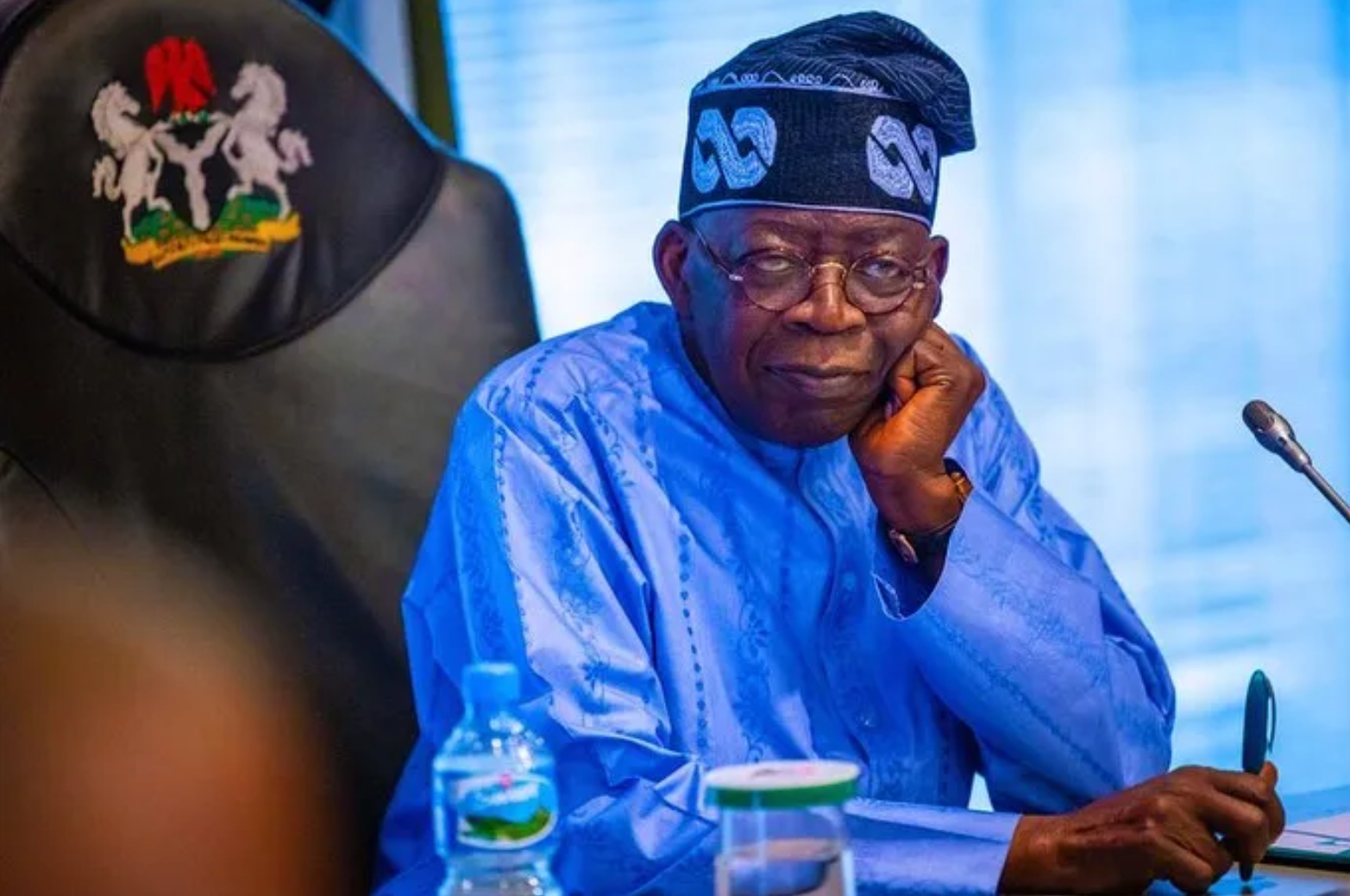
Following tensions over migration, organised crime, and the installation of an unrecognised Igbo King in the Eastern Cape, Nigeria and South Africa have decided to strengthen their diplomatic ties.
Nigerian nationals residing in South Africa have been accused of many things, including involvement in crime, entitlement and the distribution of drugs.
Some of these allegations have been substantiated through the arrests of Nigerian nationals for offences including drug possession and immigration-related violations, among others.
The recent tensions also revolved around the alleged installation of an Igbo King in the Eastern Cape and the recent March and March demonstrations against illegal migrants in the country, which triggered widespread concerns because traditional leadership in South Africa is a sensitive matter.
International Relations Minister Ronald Lamola recently held talks in Abuja, Nigeria, where he delivered a message from President Cyril Ramaphosa to Nigerian President Bola Tinubu.
What came out of those discussions, and can the two countries rebuild trust?
Phemelo Motene spoke to the Department of International Relations and Cooperation (DIRCO) spokesperson Chrispin Phiri on Kaya 959’s Point of View.
Phiri said the main reason for Lamola’s engagement with the Nigerian government was its concern that Nigerian nationals residing in South Africa are being targeted because of their nationality.
“We have seen a number of protests by South African nationals around immigration and, in the process, we saw the Nigerian government raising specific concerns around what they described as Afrophobia. That warranted us to say, let’s have a conversation around what you are seeing and how South Africans see it,” he said.
Phiri said the Nigerian government was also informed that there is a lingering sentiment among some South Africans regarding the conduct of certain Nigerian nationals living in the country.
“The fact that there are some places in the country that have been declared no-go areas for South Africans. These include Hillbrow in Johannesburg and Sunnyside in Pretoria. These are some of the things that have triggered South Africans; it is not xenophobia, South Africans are frustrated.”
The Nigerian government maintained that criminality has no nationality and assured South Africa that it does not condone any form of criminal activity.
However, it also expressed concern about incidents where some South Africans have reportedly approached people at random and demanded documentation – an act that has also been criticised by the South African government.
Phiri said the two countries have agreed to continue exchanging information and engaging in a factual manner rather than in a sensationalist one.
Listen to the podcast for the full discussion…
READ NEXT: Ngizwe Mchunu faces backlash after urging anti-immigration protests to end