Back to the City’s Osmic joined the Kaya Creators Corner on Kaya Breakfast ahead of the Music In Africa Conference.
Katlego Sekhu

For years, South African hip hop artists were told to get serious, get a qualification and stop making noise. Some of the people making that noise now run festivals, build businesses and create jobs.
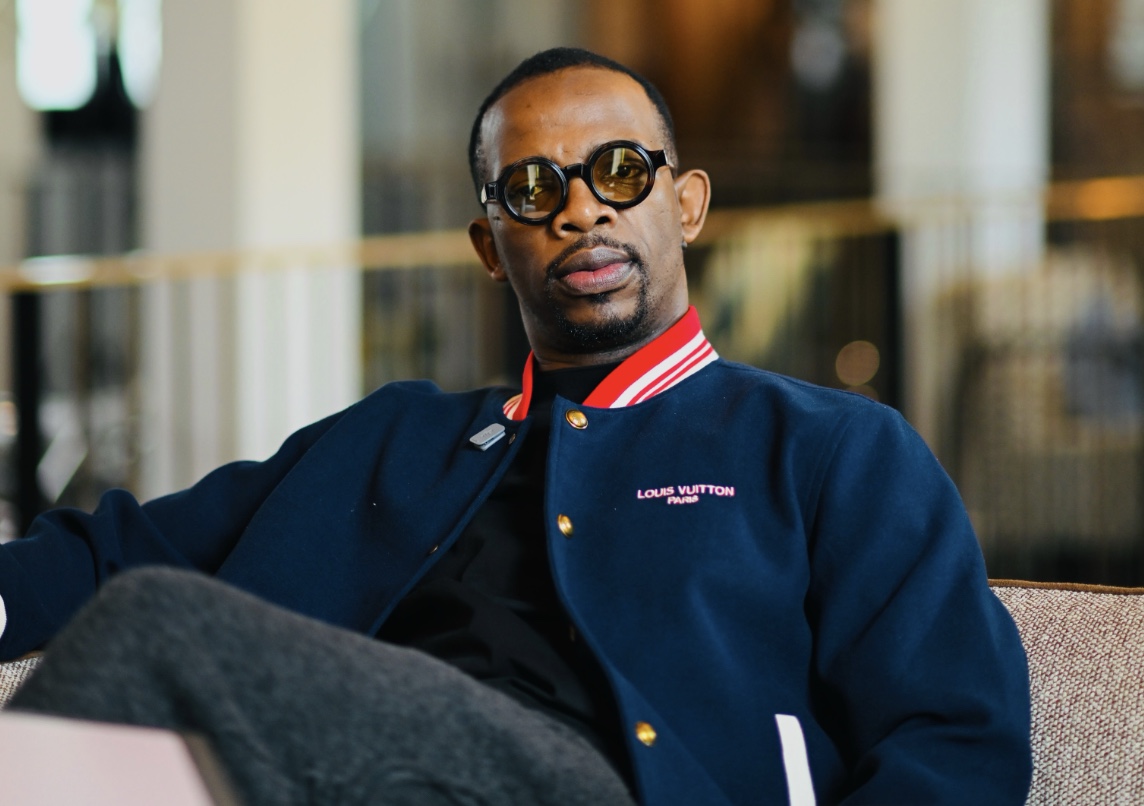
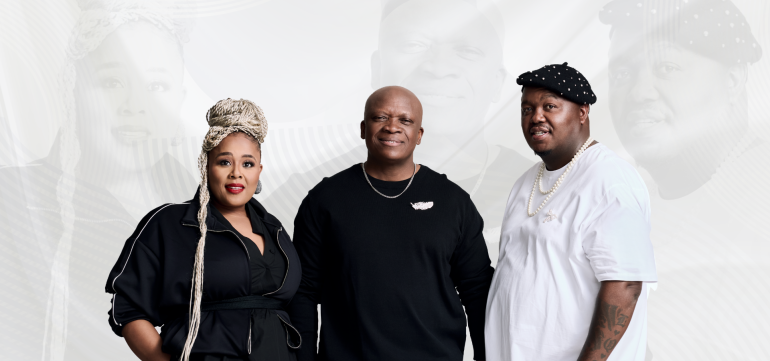
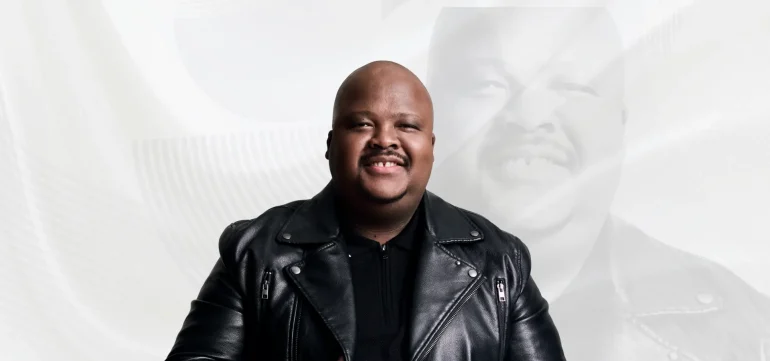
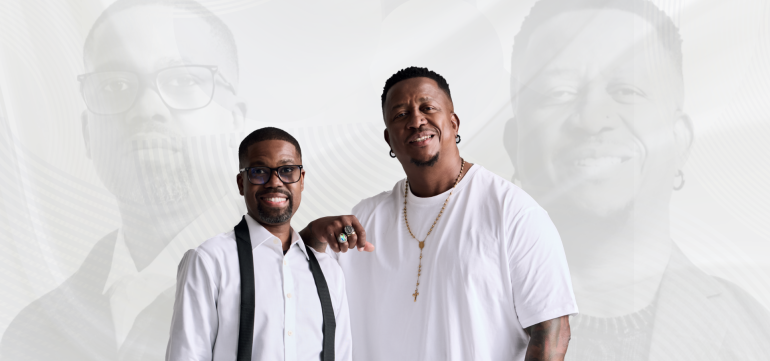
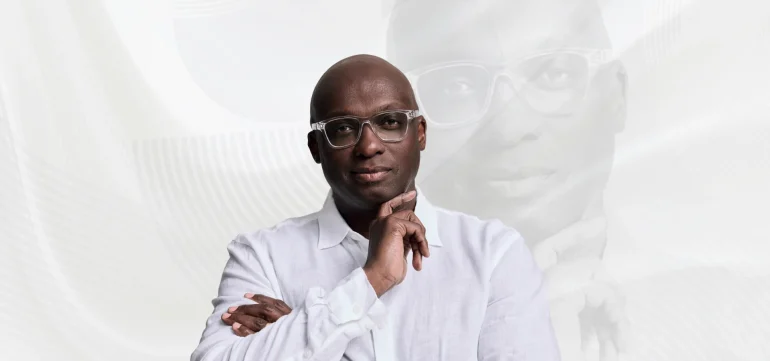
Osmic Menoe, Entrepreneur and Founder of Back to the City Festival, is one of them. He joined Fresh and Thato on Kaya Creators Corner on Kaya Breakfast ahead of the Music In Africa Conference for Collaborations, Exchange and Showcases (ACCES) in Johannesburg, where he will speak this week.
It was a reunion of sorts. Osmic last sat down with the team around 20 years ago, when Back to the City was just getting started.
“It was still a theory. Not many people believed in it,” he said. “And I think platforms such as, you know, you guys at the time decided to sort of give us a chance and say, well, come tell the people these crazy ideas.”
Two decades later, the festival draws 20,000 people. “A thousand people for every year,” he said.
An obsession with the hip hop economy
Asked when he realised there was a sustainable business in the culture, Osmic said it was there from the start.
“I think for me, from almost day one, I had this obsession with something called the hip hop economy,” he said. “You remember there’s an era where the only person getting paid was the rapper. The producer never got paid. The dancers never got paid. The DJ never got paid.”
His idea was simple: “Imagine a world where, you know, your passion makes yourself sufficient.”
That economy first took shape in his store, before the festival existed. “This guy makes X amount of money from the clothing label. This DJ guy’s coming to buy records. So already an economy was evolving in my store,” he said. “And it was almost logical, common sense to say, imagine if we created this platform outside where thousands of people can come and hear and see and purchase.”
The festival still follows that template. “There are 120 clothing stalls, there’s 20 food stalls, and there’s like a hundred artists hired. There’s a team of about close to 300 people working and every single person gets paid.”
“I’ve never had a job in my life,” he added. “I’ve just been hip hopping since day one.”
That same thinking runs through his other projects, including the South African Hip Hop Awards and the South African Hip Hop Museum he is currently building. “All currency that comes from the culture generated by the culture,” he said.
Present at every level
Osmic said he never set out simply to make money. “For me, it’s always like, how do I do cool things that, you know, someone hasn’t done? That’s number one.”
The second is staying connected to every part of the industry, from the newest clothing brand or DJ to the biggest names.
“I always say to a lot of guys in the industry, like when you’re at the bottom, you’ll find me there. When you’re in the middle, you’ll find me there. When you’re on top, you’ll find me there. Even when you come down, I’ll still be there.”
Why spaces like ACCES matter
ACCES brings music professionals from across Africa and beyond to Johannesburg. For Osmic, the value is time and attention.
“When a person bumps into you in a mall and is trying to tell you a story, you don’t have time to talk to that person. When a person meets you at a gig and they want to tell you their proposal, there’s no time,” he said. “But when you’re in a space such as what ACCES is and someone says, hey, I’ve got this problem, I’ve got this, you can give them the time.”
His talk will focus on solutions rather than his own story. “I think my journey is on Google. I think my thing is solutions,” he said. “Over the last five, 10 years, I’ve just been a big AI advocate.”
He also wants artists to look beyond South Africa’s borders. “It’s also high time we start looking outside of our borders, you know, most importantly, like how do you hustle the Nigerian crowd, the Angola crowd? How do you go to Mauritius? You know, whether it’s your merch, whether it’s your printing vinyls.”
The goal, he said, is “sitting down with the right minds and saying, OK, cool, how do we take that young kid and how do we make him into a hero?”
To hear the full discussion, listen to the Kaya Breakfast podcast.
READ NEXT: