

By Mapaballo Borotho
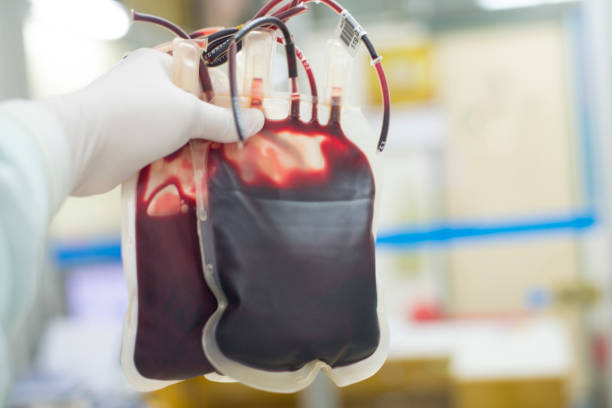
- SANBS is appealing for more blood donations after national stocks fell below the five-day target.
- The organisation explains why donated blood cannot be sold directly by donors and what the fees charged for blood products cover.
- Patients are generally not expected to pay for blood directly, although costs may differ depending on their healthcare arrangements.
The South African National Blood Service (SANBS) is appealing to eligible South Africans to donate blood as stocks fall below target ahead of the festive season, a period when patients continue to depend on blood transfusions for emergency and medical care.
Several factors have contributed to lower blood collections in recent weeks. The examination period has also affected collections, as fewer blood drives are held at schools and tertiary institutions during this time.
According to SANBS, national blood stocks have dropped to 3.9 days’ cover, below the organisation’s five-day minimum target.
The organisation requires approximately 3,500 units of blood daily to meet patient demand and maintain an adequate supply.
The declining reserves are placing pressure on the blood service as the festive season approaches, with some regions already reporting less than three days’ cover.
Patients rely on blood transfusions for life-saving surgery, complications during childbirth, cancer treatment and emergency care.
“Donating blood is not just an act of kindness, it is an investment in life itself. In a car accident or medical emergency, it could be you or someone you love who needs blood. By donating today, you ensure that tomorrow’s emergencies can be met with hope and healing,” says Monique Schreiner, senior manager of donor relations at SANBS.
“A single donation, which takes less than half an hour, can save up to three lives. In emergencies, particularly road accidents, blood transfusions are often the difference between life and death. Yet blood cannot be manufactured, it comes only from those who choose to give.”
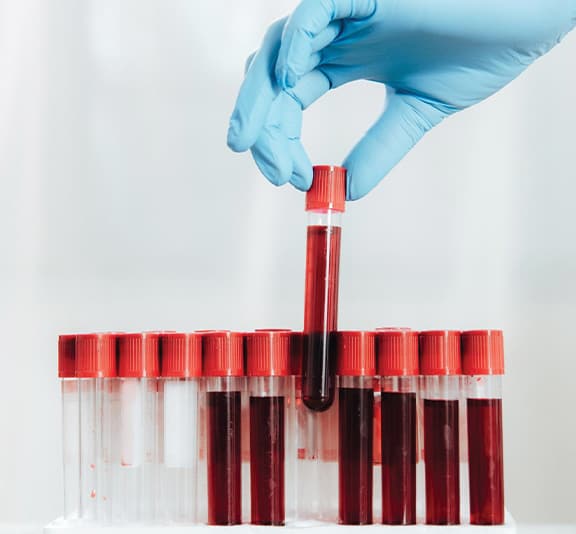
Group O blood is particularly important in emergencies when there may not be enough time to establish a patient’s blood group before a transfusion is needed.
Understanding the business of blood donation
SANBS says maintaining adequate blood stocks is an ongoing challenge for blood services around the world.
In South Africa, less than 1% of the population are active blood donors. With each unit of donated blood lasting only 42 days after collection, regular donations are essential to maintaining a reliable supply.
Why don’t you reward blood donors for donating blood?
Under the National Health Act 61 of 2003, blood donors cannot be given financial or other rewards for donating blood.
SANBS says voluntary blood donation is largely driven by the desire to help others, with a single donation potentially saving up to three lives when separated into red blood cells, plasma and platelets.
“We receive no funds or subsidies from the government and are fully funded from the fees we charge for our service to ensure safe, quality blood products.
Blood is an essential but expensive resource because of the meticulous collection process, screening and testing processes that ensure its safety for transfusion,” SANBS says.
The organisation explains that the fees charged for blood products cover the services required to collect, test, store and deliver blood safely.
“From the moment donors come through our doors, the blood supply value chain requires medical expertise and state-of-the-art technology to ensure quality and safety. Staff salaries and other operational overheads all add to costs.
Every step in the journey of blood is delicate and represents a possible point of failure where any delays, wrong temperature, miscommunications, or procedural issues can result in the product being substandard and unusable, all of which costs money.”
The process also involves specialised equipment, approved blood collection bags, protective equipment, transportation to laboratories and screening for transfusion-transmissible infections, including HIV, hepatitis B and C, and syphilis.
Do patients pay for blood transfusions?
Patients are generally not expected to pay for blood directly out of their own pockets.
At public hospitals, the costs are covered by the government, while in private healthcare facilities, the costs are generally covered by medical aid, depending on the patient’s circumstances and benefits.
Blood products are included under prescribed minimum benefits as outlined in the Medical Schemes Act.
However, SANBS says patients admitted to private facilities as cash-paying patients may be responsible for the costs associated with blood products used during their treatment.
The organisation encourages patients whose medical aid does not cover the full amount to contact SANBS for assistance. It says it is also open to discussing payment arrangements with patients experiencing financial difficulties.
Why voluntary blood donation matters
SANBS says paying people to donate blood could create challenges for the safety of both donors and recipients.
In a voluntary donation system, donors may be more willing to disclose their medical histories and potential risk factors because their primary motivation is to help patients rather than receive financial compensation.
The organisation continues to encourage eligible South Africans to make blood donation a regular habit, particularly as the country approaches a busy festive season.
To donate, visit your nearest SANBS donor centre or mobile blood drive, or call the toll-free number on 0800 11 90 31. More information is available at www.sanbs.org.za.
READ NEXT: