By Mapaballo Borotho
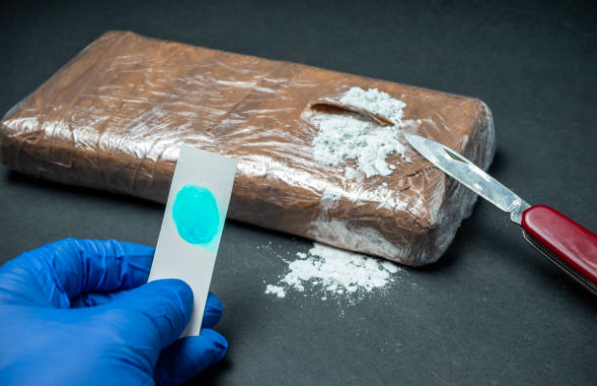
- Authorities intercepted approximately 250kg of cocaine worth more than R200 million at OR Tambo International Airport.
- Police reported further drug seizures and arrests in Mpumalanga, Gauteng and the Eastern Cape over the weekend.
- The busts come after authorities uncovered a suspected crystal methamphetamine laboratory valued at R600 million in Limpopo in August.
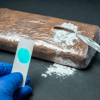
Drug busts have been in the spotlight in South Africa, with the latest incident involving approximately 250 kilograms of cocaine, with an estimated street value of more than R200 million, seized at OR Tambo International Airport.
The South African Police Service (SAPS), South African Revenue Service (SARS) Customs and the Border Management Authority (BMA) intercepted five luggage bags containing 216 blocks of cocaine on Sunday, 25 October 2026.
Over the past 24 months, a total of 116 suspected drug mules have been arrested at OR Tambo International Airport.
SAPS spokesperson Brigadier Athlenda Mathe says the arrests highlight ongoing efforts by law enforcement agencies to detect and prevent the transportation of illicit drugs across South Africa’s borders.
Mpumalanga: More than two tonnes of dagga seized
Meanwhile, in Mpumalanga, police seized 2,131.34 kilograms of dagga, 80.5 grams of suspected crystal methamphetamine, commonly known as tik, 146.41 grams of suspected nyaope or whoonga, and 27 suspected Mandrax tablets on Sunday, 25 October 2026.
The operation also resulted in the arrest of 69 people for the possession of suspected drugs.
In Gauteng, 13 suspects were arrested for dealing in drugs, while another 15 were arrested for possession.
Eastern Cape: Drugs worth more than R9.7 million seized
In the Eastern Cape, SAPS members seized drugs with an estimated street value of more than R9.7 million and arrested a 38-year-old suspect during an intelligence-driven operation in Gqeberha on Saturday, 24 October 2026.
Police spokesperson Colonel Amanda van Wyk said officers discovered suspected Mandrax, cocaine and tik during the operation. Drug-packaging materials and cash believed to be the proceeds of crime were also recovered.
“There has been a discovery of various types of drugs suspected to be mandrax, cocaine and tik, which resulted in the arrest of the suspect. The team also found drug-packaging materials and cash believed to be the proceeds of crime.
The suspected drug substances will be subjected to a forensic analysis to confirm its exact composition,” she said.
The suspect was expected to appear before the Gqeberha Magistrates’ Court on Monday, 26 October, on drug-related charges, while investigations continue.
These cases are among the latest reported drug seizures across the country, raising questions about the scale of the illicit drug trade and South Africa’s role in regional and international trafficking networks.
R600-million suspected drug laboratory uncovered in Limpopo
In a separate operation in August, the Hawks uncovered a suspected multimillion-rand crystal methamphetamine laboratory on a farm in Musina, Limpopo.
The operation, conducted on 20 August 2026, involved the Hawks and other law enforcement units. Authorities reportedly seized drugs and laboratory equipment with an estimated value of R600 million.
Five people were arrested in connection with the operation and face charges including the alleged manufacturing of a scheduled substance, dealing in drugs and possession of drugs, among other charges.
The National Prosecuting Authority confirmed in September that the five accused had appeared in the Musina Magistrates’ Court. The investigation was ongoing.
SAPS says it remains committed to intensifying operations aimed at dismantling organised criminal networks and disrupting the illicit drug trade, which threatens the safety and well-being of communities.
While these seizures demonstrate law enforcement efforts to intercept suspected drugs and disrupt criminal networks, questions remain about the broader scale of drug trafficking, the networks behind the trade and the effectiveness of measures to prevent illicit substances from entering and circulating within the country.
READ NEXT: