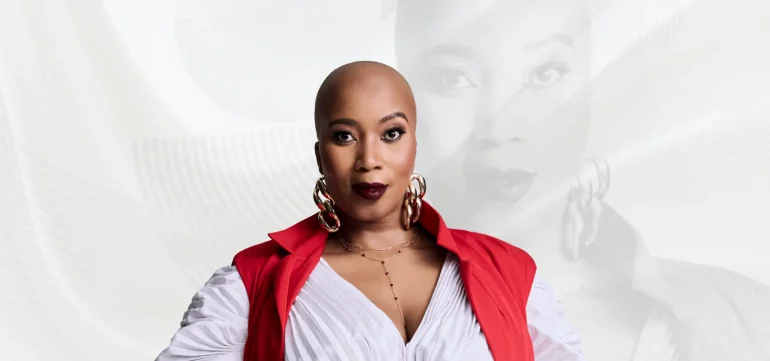

Interior designer Siyanda Mbele (@pindadesign) explores how developers and designers forge immersive, experience-led partnerships that translate brand ethos into high value boutique hospitality assets.
By Zuko Komisa
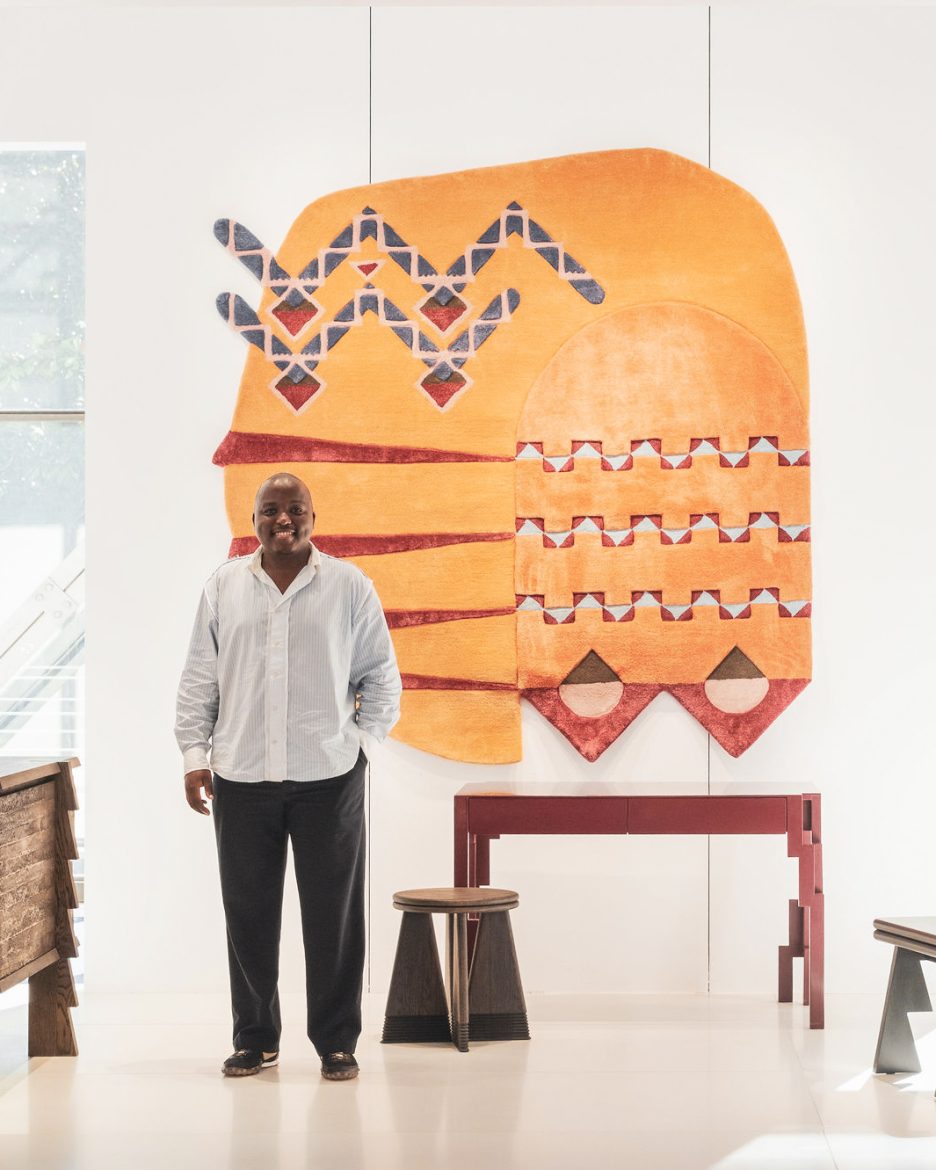
There is a quiet magic that occurs when a hotel room stops feeling like a temporary address and starts feeling like an awakening. You step across the threshold, and before your luggage hits the floor, the space speaks to you.
The subtle warmth of hand poured plaster, low honeyed lighting that mirrors the late-afternoon sun, and a bespoke chair crafted by a local woodworker all conspire to put you at ease.
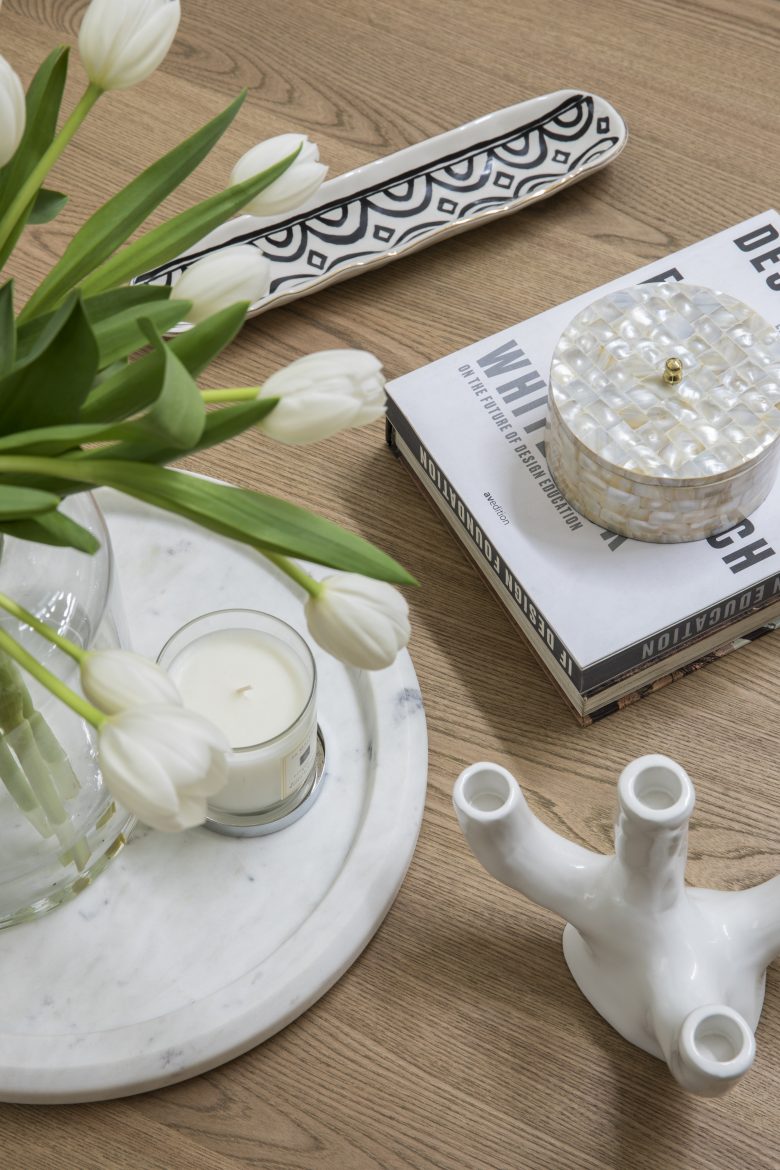
This is not an accident of taste it is strategic storytelling.
In an increasingly standardized world, boutique real estate developers are abandoning cookie-cutter blueprints in favour of deep creative co-authorship with interior designers.
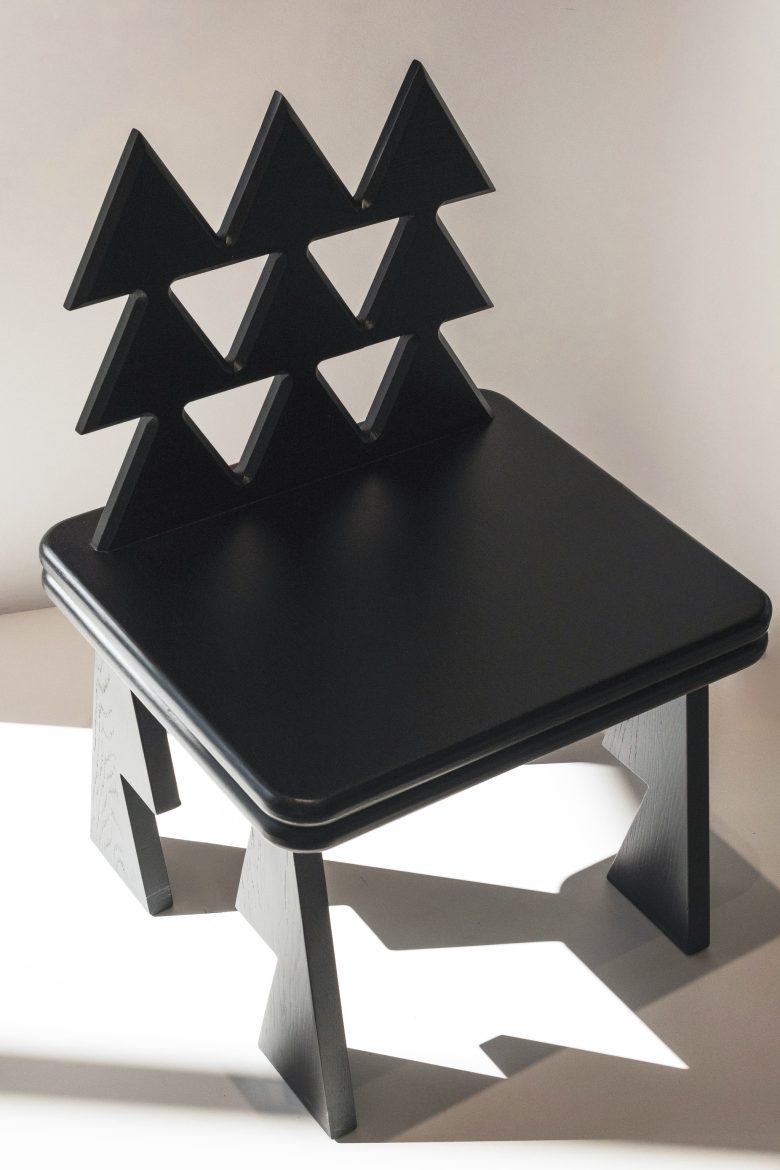
Leading this design-led movement is Siyanda Mbele, founder of Pinda Furniture and Interior Design (@pindadesign).
For Mbele, translating a hospitality brand’s ethos into physical spaces that resonate with modern guests requires a rigorous, research-led foundation:
“The process begins with a briefing to define the brand’s ethos, target guests, and desired experience, followed by research into the hotel’s history, clientele, and market position,” explains Mbele.
“This informs the design concept, which integrates spatial planning, materials, lighting, acoustics, and technology. Through design presentations and revisions, the team refines the concept to balance brand identity, guest experience, budget, and operational needs.”
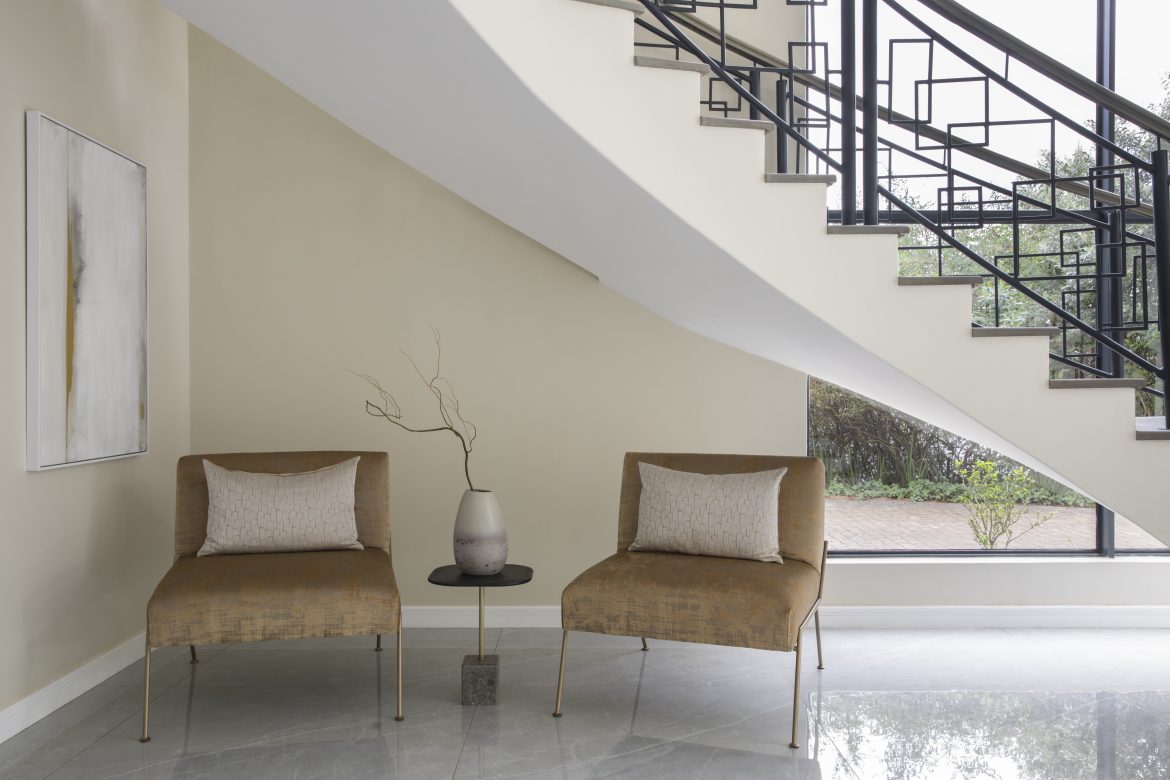
From a real estate perspective, this custom approach translates directly into commercial performance.
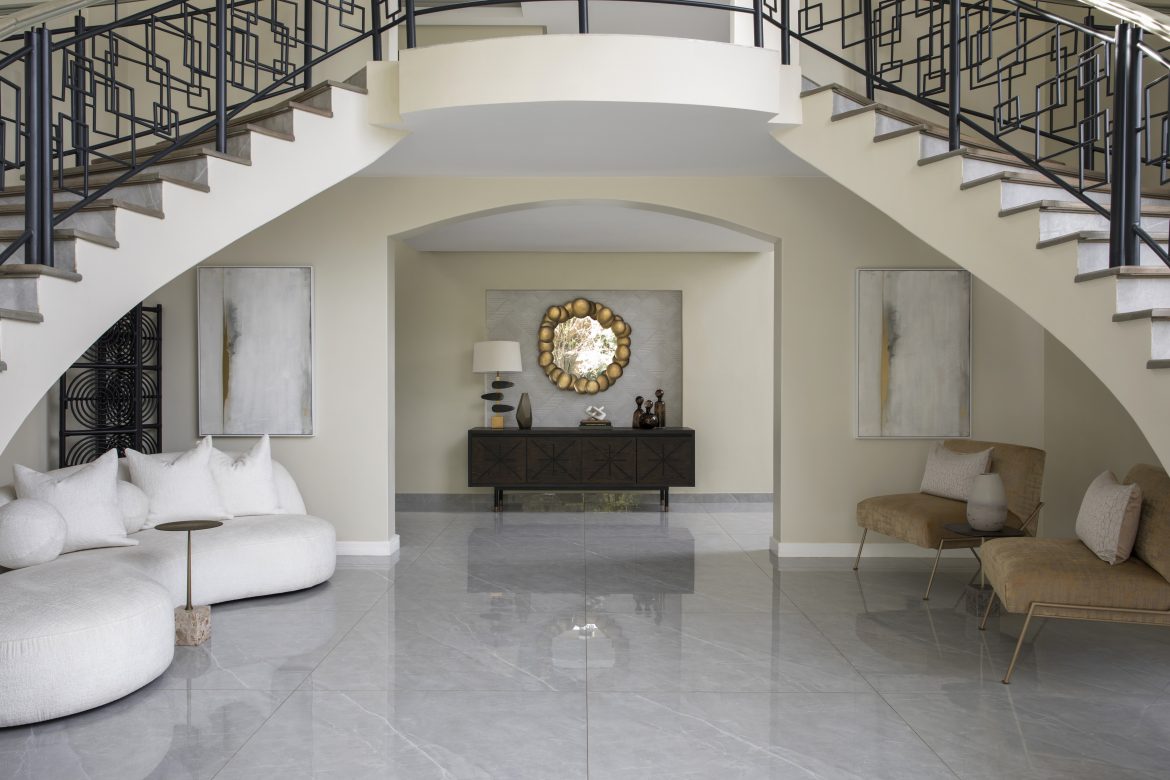
Modern travellers do not pay premium rates for mere square footage; they pay for emotional resonance and retreat:
“The ultimate goal is to create an escape where guests can disconnect from everyday life and fully immerse themselves in the experience,” Mbele notes.
“Every detail from materiality and lighting to comfort, service, and convenience contributes to this sensory environment. When the space feels seamless and considered, it enhances the perceived value of the stay and supports premium room rates and long-term asset value, provided the design aligns with market demand and operational performance.”
Bringing these ambitious visions to life requires navigating inevitable creative and commercial friction. Tension naturally arises when high artistic aspirations meet strict construction budgets, delivery schedules, and practical maintenance needs. Mbele emphasizes that open dialogue and structural flexibility are key to keeping projects on track:
“Friction often arises when design ambitions meet budget constraints, construction timelines, and operational requirements,” says Mbele.
“Effective conflict resolution, clear communication, and early collaboration are essential to keep the project moving forward. Because on-site realities can differ from initial plans, construction schedules should allow time for practical adjustments. This balance ensures the final space remains functional, commercially viable, and aligned with the original vision.”
To stand out in competitive urban and resort markets, developers and designers are championing immersive, experience-led concepts.
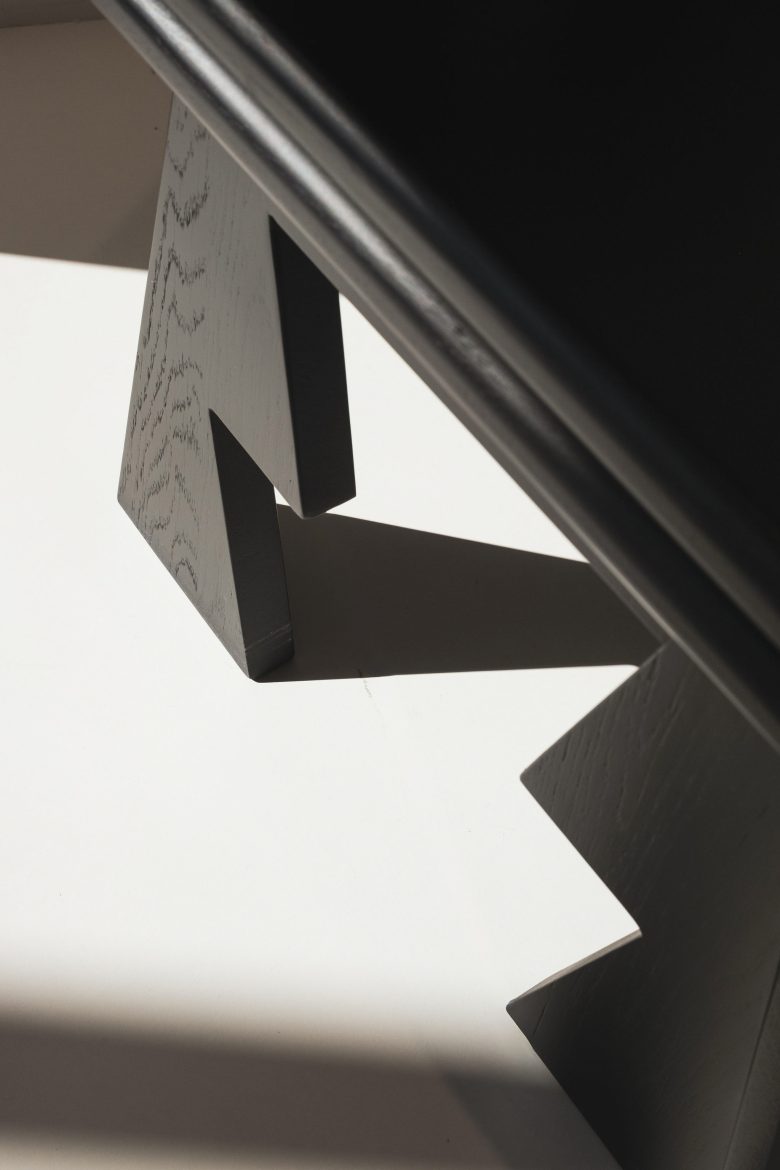
Mbele highlights key shifts shaping the future of boutique hospitality design:
“Developers are prioritizing immersive, experience-led design,” observes Mbele.
“Key trends include moving toward warm, layered interiors that feel inviting and connected to the environment, integrating thoughtful technology that enhances convenience without overwhelming the guest experience, and utilizing environmentally conscious materials and sustainable practices.
We are also seeing a strong move toward incorporating bespoke furniture, distinctive design features, photogenic spaces, and partnering with local artisans and sourcing regional materials to reflect authentic cultural identity.”
As the landscape of boutique hospitality continues to evolve, the work of Siyanda Mbele stands as a testament to the power of authentic, narrative-led space.
Through Pinda Design, Mbele continues to craft environments where cultural heritage, bespoke craftsmanship, and commercial functionality seamlessly intertwine transforming quiet architectural visions into unforgettable, living sanctuaries.
Connect with the Designer:
- Founder & Creative Director: Siyanda Mbele
- Studio: Pinda Furniture and Interior Design
- Instagram: @pindadesign
READ NEXT: