

By: Natasha Archary
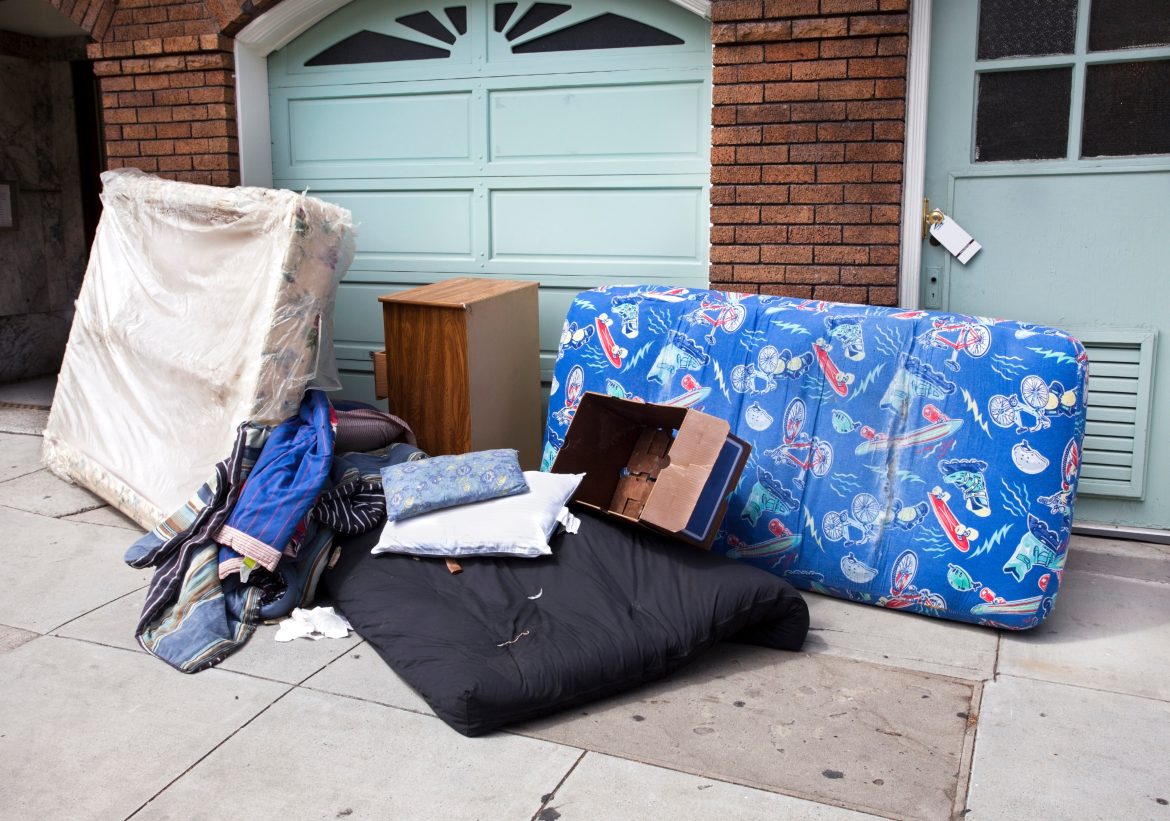
With rising unemployment many people face an even bigger issue with accommodation, particularly in urban areas were people come from all corners of the country to find better opportunities.
Those who get paid very little to no money are also still in need of housing, and often find themselves in situations where they are desperate and leading to the illegal occupation of land and premises.
There is also a growing issue of crime syndicates in the inner city with international connections who are taking advantage of the unsuspecting public looking for accommodation.
According to Johannesburg property developers, at least one property in almost every street in Yeoville, Berea, Troyeville, Bertrams, Bez Valley, Jeppe, Rosettenville, Hillbrow, Turffontein and Booysens has been hijacked.
Matseleng Mogodi, Principal Property Practitioner at Snooks Estates joins Ayanda Nyathi on Drive 959 to “Make It Make Sense” when dealing with illegal property hijackings.
Mogodi says the first thing a property owner needs to do is understand the steps they can take when a tenant is not paying rent and refuses to vacate your property.
What can you do when your property is being occupied illegally?
- If you have a valid lease, write your tenant a Letter of Demand to pay rent and all arrears within 20 business days. Legally you can give them 7-days.
- You simultaneously deliver a Notice of Lease Termination within that same period. It will need to be 1 calendar month.
- You can report the illegal occupant to the Rental Housing Tribunal (RHT) because the RHT has the powers to mediate and to make rulings. They can tell the tenant to vacate at a certain date, and it’s free. However, they cannot issue an eviction order.
- Landlords can with the help of a property practitioner, ensure that the tenant is getting ready to move out. Some landlords take the risk and evict the tenants without following the correct steps, and deal with the consequences later. This is not advisable as it’s not legal.
- Landlords need to protect their best interests and keep every written communication sent to the tenant. This will give the landlord leverage and minimize the struggle period.
- A landlord can also take the harsher approach and sue the tenant.
- As a landlord take insurance that can cover you for 6 months rental PLUS eviction costs at minimal fees.
- Urgent eviction can be done, but only doable in extreme cases, so it’s not very common, and it can be expensive. Normal eviction is still doable, but takes time and there are monies to be paid, so if you can avoid it, do so.
- Once you send the Letter of Demand and Letter of Lease termination, do not accept the rental money but assign any monies received towards the arrears. If you allow them to pay rent while they still owe you, you have started another lease agreement.
A clear distinction was given during the conversation, between someone pleading homelessness and someone who refuses to pay rent.
Property owners were also urged to follow the law. In instances where a tenant isn’t paying rent there needs to be a court order issued to the tenant and all proper legal processes need to be followed.
Listen to the conversation on Drive 959:
Also read: “My husband doesn’t want me hanging out with my single friends” – The Blind Spot
![[WATCH PODCAST] Kabelo Mabalane teams up with The Arrows for infectious comeback track ahead of 10th studio album](https://www.kaya959.co.za/wp-content/uploads/2026/10/KAYA-959-THUMBNAILS-1170x658.png)

![[WATCH PODCAST] Kabelo Mabalane teams up with The Arrows for infectious comeback track ahead of 10th studio album](https://www.kaya959.co.za/wp-content/uploads/2026/10/KAYA-959-THUMBNAILS-100x100.png)