
By: Natasha Archary

Do we help people because it’s good for our egos?
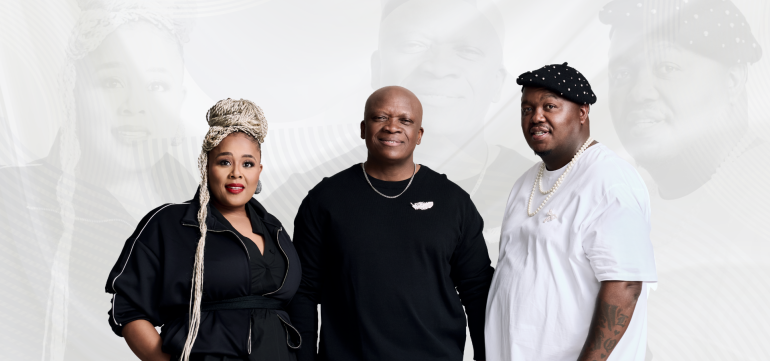
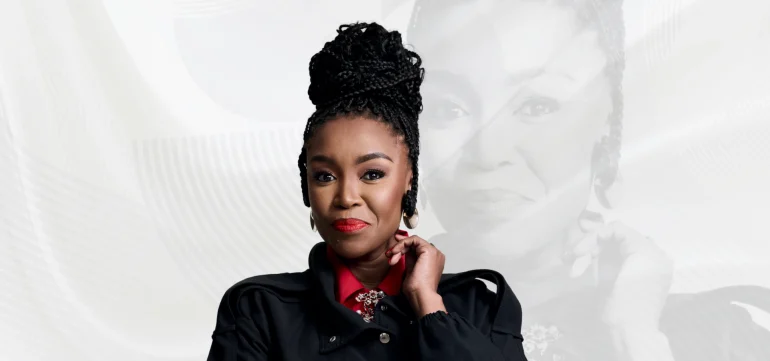
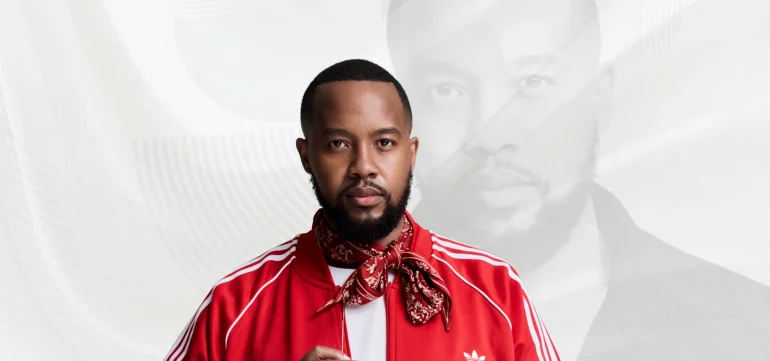
This is the question the Drive 959 team asked listeners to weigh in on, to gauge whether the human nature of kindness and helping others is done out of the goodness of one’s heart or purely because it feeds one’s ego.
Kgomotso Meso came across a video clip on social media that suggests our ego drives the way we help others.
“We start becoming addicted to being Superman or Superwoman because it feeds our ego. You see it even in relationships, where some people might date below their standard because they have the compulsion to first ‘fix’ the person they’re with.
When they’re not needed, it’s actually taken as a personal offence to them. For some people, their worth lays in their ability to help others.”
Some people enjoy being in control of their partner for example in a relationship and helping them financially to pay for their bills is an example of this.
The battlefield of power and control in relationships is often what causes many couples to implode.
In an ideal world, the power dynamic will have an even 50/50 split. Maintaining an equal and shared bond between two people who compromise.
Establishing who wears the pants in the relationship sets the tone for how the other partner fits in.
It boils down to who’s “in charge” in the relationship.
The quest for control
Often, a partner will not be aware that they are being controlled. It starts small, with requests to change habits that do not match your partner’s lifestyle.
Before you know it, there’s an imbalance of power, where one person feels helpless and like they do not have a voice in the relationship.
The need for control stems from many factors, which include past trauma, infidelity, emotional intimacy issues and toxic behaviour.
In a patriarchal landscape like South Africa, most men demand that their partners submit to them.
While this is gradually changing as women are now more independent and self-reliant, many still allow their partners to make decisions for them.
Battlefield of power
Once the power shifts to one person, the relationship is not a healthy one. It signals the start of an emotionally and mentally abusive relationship.
A partner who controls the finances in a relationship takes the control to toxic extremes. Limiting the other person’s independence and dictating what they can and can’t spend on.
It forces the other person to be completely dependent on the partner in control.
Not all controlling partners exhibit signs of abusive behaviour. But if you can’t express how your partner’s controlling nature makes you feel, it’s generally not a good sign.
Listen to the conversation on Drive 959:
Also read: A loaf of bread for 99c? Yes, with FNB eBucks & PnP
![[WATCH PODCAST] Kabelo Mabalane teams up with The Arrows for infectious comeback track ahead of 10th studio album](https://www.kaya959.co.za/wp-content/uploads/2026/10/KAYA-959-THUMBNAILS-1170x658.png)

![[WATCH PODCAST] Kabelo Mabalane teams up with The Arrows for infectious comeback track ahead of 10th studio album](https://www.kaya959.co.za/wp-content/uploads/2026/10/KAYA-959-THUMBNAILS-100x100.png)