Written by Dohne Damons
Load shedding has us all asking the question, which is better, inverters or power stations? The answer to this depends on the individual’s budget.
Both solutions can help combat load shedding if you’re unable to install solar and battery systems.
But what is the difference between a power station and an inverter, and which one is better?
Inverter trolleys
Inverter trolleys are an inverter that requires either a lead-acid, gel or lithium-ion battery to power household electronics. The batteries are placed inside a steel or plastic box. The box conveniently has wheels to assist with the weight of the unit.
Inverter trolleys can power your television, lights, laptop and Wi-Fi. So any electrical appliance in your home that doesn’t surge or have a high power consumption demand. It can power your home electronics during load shedding for about 4 to 6 hours.
Purchasing an inverter trolley with lithium-ion batteries will cost more but last longer.
It is optional to connect it to your DB board with the help of a certified electrician.
Power Stations
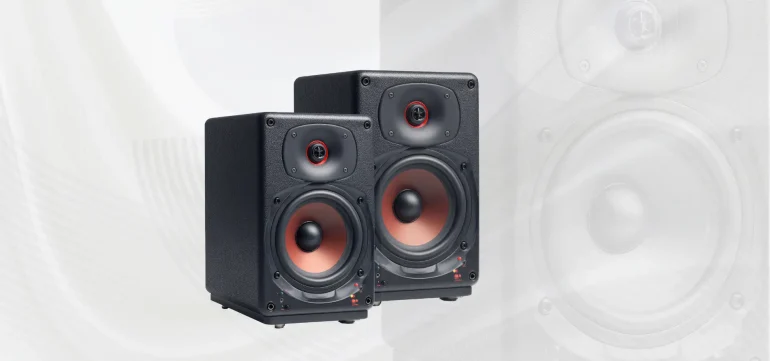
To explain what a power station is, simply put, it is a battery or energy reserve bank. It does not generate power. In other words, it requires an external power source.
Power stations are light weight compact devices that pack a punch. They are easily recharged. You can use a wall plug, car charge adaptor or solar panels.
By using solar panels, the power station becomes a solar generator. The power generated will be stored in the power station until it is required for use.
It is safe and portable.
Most inverters can’t power appliances such as a fridge ad a kettle where most power stations can.
Either option will offer your the much needed energy source during load shedding. The duration of the energy source is limited to the amount of electrical appliances used at once.
Which option is the better option?
The better option is always the option that best suits your pocket.
Read Next: Affordable Solutions for Wi-Fi during Load Shedding
![[WATCH PODCAST] Kabelo Mabalane teams up with The Arrows for infectious comeback track ahead of 10th studio album](https://www.kaya959.co.za/wp-content/uploads/2026/10/KAYA-959-THUMBNAILS-1170x658.png)

![[WATCH PODCAST] Kabelo Mabalane teams up with The Arrows for infectious comeback track ahead of 10th studio album](https://www.kaya959.co.za/wp-content/uploads/2026/10/KAYA-959-THUMBNAILS-100x100.png)