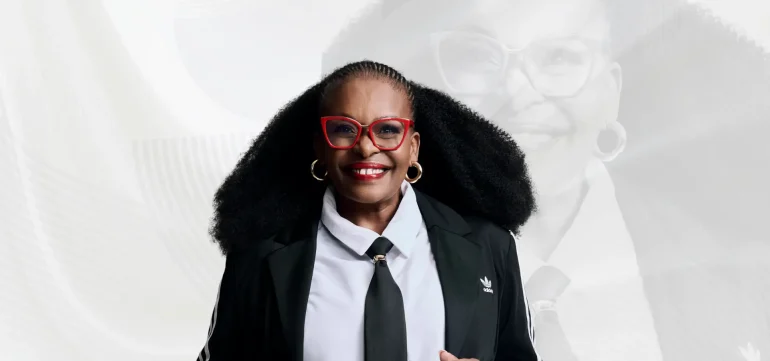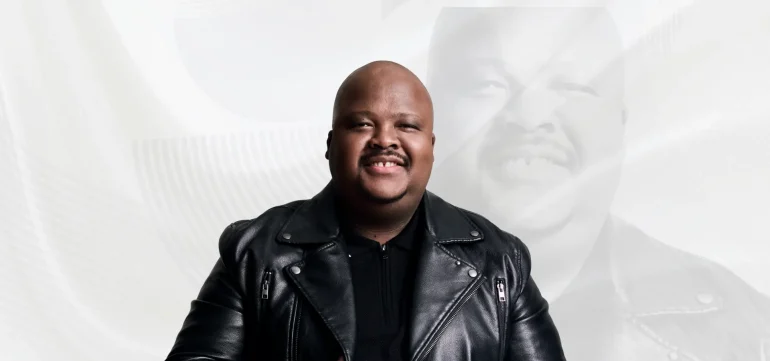

SADAG’s Roshni Parbhoo-Seetha says parents should approach conversations about their children’s wellbeing with genuine attention and openness.
By Mapaballo Borotho

September is Suicide Prevention Month, which aims to raise awareness about suicide, reduce stigma and promote prevention efforts.
Communities, organisations and government agencies use the month to highlight warning signs, share resources and encourage open conversations about mental health.
The word “suicide” can be triggering for many people who have lost loved ones to suicide.
Suicide does not only affect adults. According to the South African Depression and Anxiety Group (SADAG), the youngest person known to have died by suicide in South Africa was a six-year-old child.
This raises questions about what a six-year-old may understand about suicide and how parents can identify signs of distress early.
Fresh and Thato spoke to SADAG Project Manager for Education, Roshni Parbhoo-Seetha, about the challenges of parenting a child experiencing suicidal thoughts.
Roshni says it is important to invest in conversations with our loved ones. She says the question, “How are you?” should be asked with genuine intent rather than in passing.
“We want people to know that when you are having a conversation with someone and ask them, how are they, you should actually invest in that question.
Ask them how are they really and wait to hear their answer because people are dealing with things they actually don’t know of. People are hiding so many things behind their laughter, smiles, jokes and closed doors,” she said.
She says every conversation matters and that every day should be an opportunity to focus on suicide prevention.
Roshni also explained that a person experiencing overwhelming emotional pain may sometimes appear calmer after reaching a decision about how they want to end that pain.
“They become very happy just before they take their life,” she added. “Sometimes you cannot see those signs. Sometimes the signs are not that obvious.”






![[WATCH PODCAST] Jabu Hlongwane takes the spotlight to elevate next-gen South African worship voices](https://www.kaya959.co.za/wp-content/uploads/2026/09/KAYA-959-THUMBNAILS-65-100x100.png)