
By Zuko Komisa
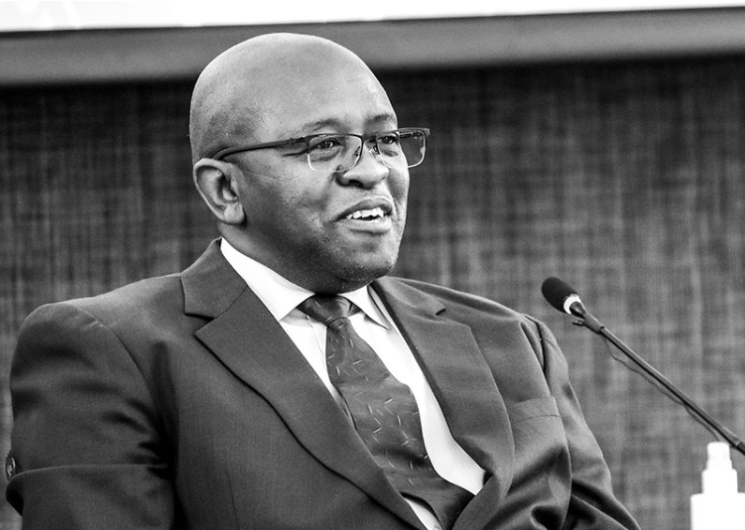
- The Madlanga Commission of Inquiry marked its first anniversary, reflecting on a year of probing high-level corruption and state capture within South Africa’s criminal justice system.
- The inquiry has already driven tangible accountability, resulting in multiple arrests, suspensions, and resignations, though it has faced grave security risks, including the assassination of a key witness.
- The Commission has pledged to press forward with its mandate independently, continuing its hearings without fear, favour, or prejudice.
As it marks its first anniversary, the Judicial Commission of Inquiry into Criminality, Political Interference and Corruption in the Criminal Justice System widely known as the Madlanga Commission has reaffirmed its commitment to operating without fear, favour, or prejudice.
Established by President Cyril Ramaphosa in July 2025 following explosive allegations by KwaZulu-Natal Police Commissioner Lieutenant General Nhlanhla Mkhwanazi regarding a sprawling law enforcement syndicate, the inquiry continues to probe deep-seated institutional rot.
Reflecting on the milestone, Commission spokesperson Jeremy Michael emphasised the tangible impact of the ongoing probe:
“The one-year mark is a significant milestone, particularly considering that real consequences have flowed from the work of the Commission whilst the inquiry is still underway. Numerous individuals who have appeared before the Commission have been arrested, are facing criminal charges, have appeared in court, have been suspended or have resigned from their jobs.”
To date, roughly 110 witnesses spanning law enforcement, NPA officials, MPs, and independent experts have testified.
However, the inquiry has come at a severe human cost. The Commission paid tribute to Marius van der Merwe, known as Witness D, who was tragically assassinated in front of his family on 5 December 2025 after giving testimony, alongside other whistleblowers who risk their safety to assist the state.
Over the past year, the inquiry has amassed staggering operational statistics.
Hearings have generated over 26,000 pages of transcripts and more than 105,000 pages of documentary evidence across 750 files. Public engagement has been heavy, fielding thousands of calls and emails, while legal challenges and recusal applications have been successfully defended or dismissed. Looking ahead, the Commission has vowed to maintain its momentum, expressing gratitude to the public, state institutions, and media for their unwavering support.
READ NEXT: