By Zuko Komisa
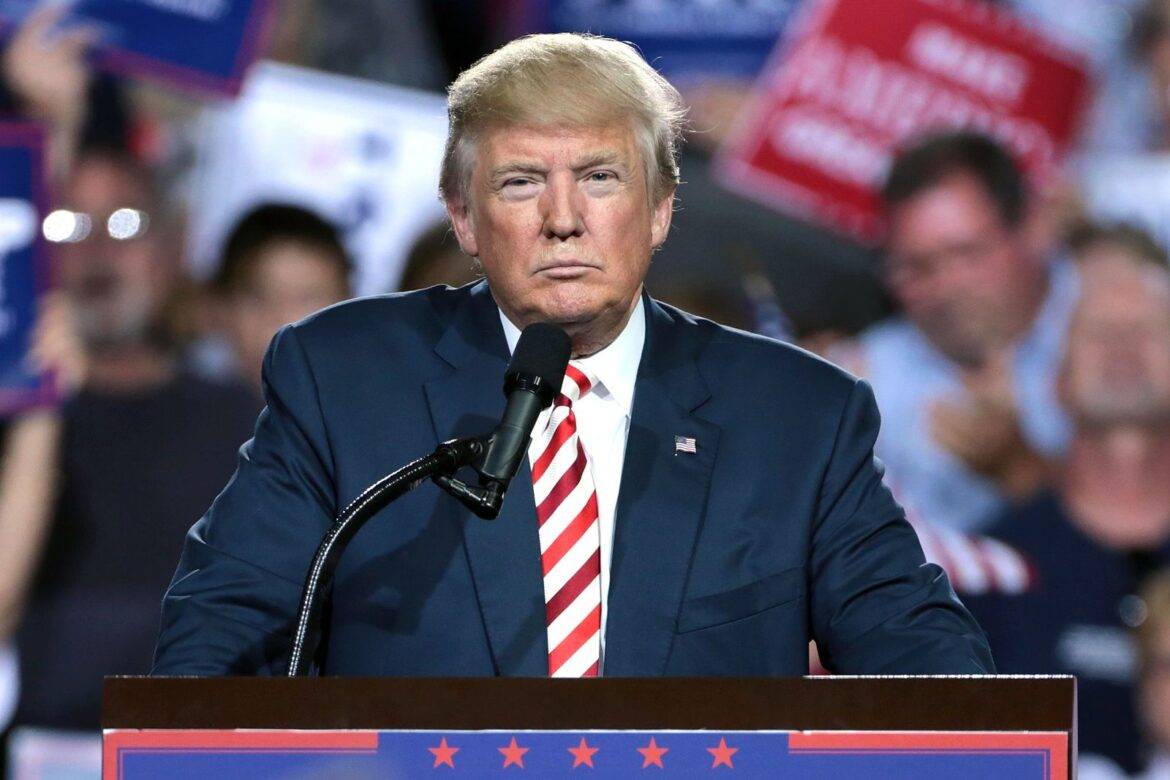
- Restrictions apply to individuals deemed complicit in discrimination or property seizures.
- The curbs stem from US immigration laws and recent executive directives.
- South Africa firmly rejects the allegations, defending its policies as a redress for apartheid-era inequalities.
United States Secretary of State Marco Rubio announced the restrictions on Tuesday, citing policies that allegedly enable race-based discrimination and the incitement of violence against minority groups.
The measures, enacted under Section 212(a)(3)(C) of the US Immigration and Nationality Act, can also extend to the family members of affected individuals, though no specific names have been publicly released.
Washington has linked the policy directly to President Donald Trump’s Executive Order 14204, expressing ongoing frustration over South Africa’s legislative approach to land reform.
“The measures apply to foreign nationals responsible for, or complicit in, the enactment or implementation of policies that enable uncompensated land seizures, race-based discrimination or the incitement of imminent violence against minority ethnic or racial groups.”
The South African government has strongly pushed back against the accusations, denying any systematic persecution of white citizens.
Pretoria maintains that its land expropriation framework operates entirely within legal safeguards and aims to rectify historic disparities rooted in apartheid.
While the policy does not constitute a blanket travel ban, it compounds existing friction. Relations have already been strained by US aid cuts, the expulsion of South Africa’s ambassador, and Pretoria’s international legal positions, including its case against Israel at the International Court of Justice.
READ NEXT: