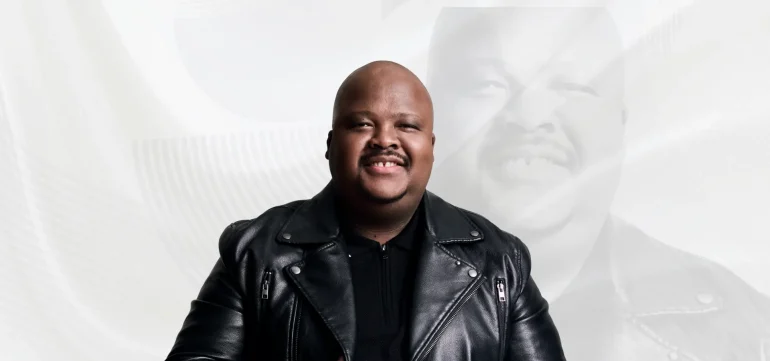

Gangs are exploiting the law to recruit children. Emma Sadlier on where South Africa draws the line.
Katlego Sekhu
Around the world, countries are lowering the age at which a child can be held criminally responsible. Argentina has dropped its threshold from 16 to 14. Sweden is considering going lower for serious crimes. In Queensland, Australia, a 10-year-old can already be charged like an adult. The cases driving these changes are horrific, from a 12-year-old girl in Indonesia who stabbed her own mother, to a 15-year-old boy in Colombia who shot and killed a senator.
Closer to home, researchers have flagged a darker trend. Gangs are reportedly recruiting children as young as 10 to run drugs and commit crimes, knowing the law is far less likely to touch them than an adult.
Kaya Breakfast with DJ Fresh and Thato put the question to listeners this week. From what age should a child be held criminally responsible, and should parents carry some of that responsibility too? To unpack the legal side, the team spoke to social media lawyer Emma Sadlier of the Digital Law Company.
Where South Africa draws the line
Sadlier explained that the age of criminal capacity in South Africa was raised a few years ago, from 10 to 12. Below the age of 12, a child cannot be arrested or charged, no matter the offence. Between 12 and 14, the law presumes a child lacks the capacity to understand right from wrong, unless the state can prove otherwise. From 14 upwards, a child carries full criminal capacity, meaning they can be charged the same way an adult would be.
Sadlier pointed to a case in Brakpan, where a 12-year-old stole his parents’ car, crashed it, and killed a 14-year-old boy at his school. He appeared in court the next day. She also flagged a fast-growing category of youth offending: AI-generated private sexual content, where children have been charged with creating and distributing child pornography after using AI tools to manipulate photographs of classmates.
Should parents be held accountable too?
Where Sadlier was most direct was on parental responsibility. She used the example of a five-year-old who cannot be arrested for using a gun, asking the obvious follow-up question: who owns the gun, and where were the parents? She pointed to a growing trend in the United States, where parents have received serious prison sentences following school shootings carried out by their children.
Listeners who called in were split. Some argued that children today are exposed to far more than previous generations and understand consequences earlier because of it. Others felt that criminalising a young child closes off the chance to correct their path before it hardens into something permanent.
Sadlier also reminded listeners that regardless of sentencing, children under 18 can never be named in the media, whatever the crime.
The debate is not really about a number. It is about who bears responsibility when a child does something no one taught them not to do.
Read Next: LISTEN: How health, entrepreneurship and financial literacy can help women build wealth