

By Mapaballo Borotho
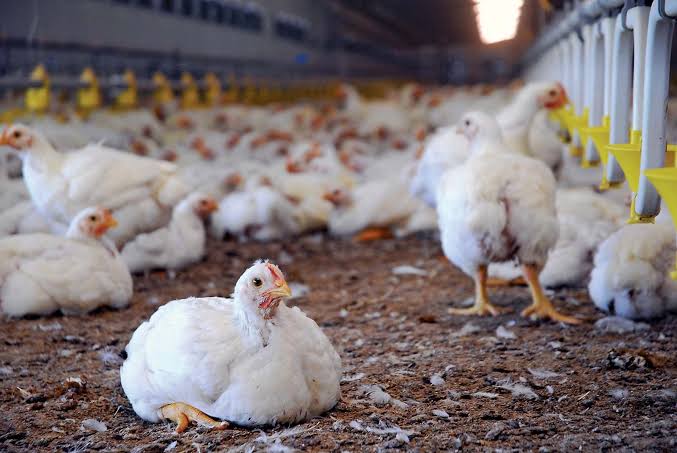
- Some Zimbabwean poultry farmers are allegedly using antiretroviral drugs (ARVs) in chicken feed in an attempt to improve production.
- Experts warn that exposure to ARV residues could pose health risks and potentially contribute to drug resistance.
- The practice is reportedly unlawful and raises concerns about food safety and HIV treatment effectiveness.
You know the saying, “desperate times call for desperate measures”? You would think it only applies to ordinary situations, but this case shows that the saying can extend far beyond what many would imagine.
In an alleged desperate attempt to boost profits, some Zimbabwean farmers are reportedly feeding antiretroviral drugs (ARVs) to chickens, raising concerns about food safety, consumer health and the effectiveness of HIV treatment.
According to the Daily Maverick, some poultry farmers are allegedly buying ARVs on the black market and mixing them into chicken feed.
They reportedly believe that the drugs help protect poultry from diseases and allow chickens to grow faster.
This practice is said to result in fewer chick deaths and a shorter turnaround time before chickens are ready for slaughter.
While some farmers claim the method has been effective, the practice is unlawful and could expose unsuspecting consumers to potential health risks.
What health risks could this pose to consumers?
Experts warn that repeated exposure to ARV residues could potentially interfere with HIV treatment or contribute to drug resistance, particularly in a country like Zimbabwe, which has a high HIV prevalence.
People living with HIV who consume meat exposed to ARVs could potentially experience reduced effectiveness of their treatment if resistance develops.
Other consumers who do not have HIV may also be exposed to traces of these medicines through contaminated meat, raising concerns about possible long-term health effects.
Food safety experts continue to warn that the misuse of medicines intended for human treatment can have serious consequences for both public health and the effectiveness of life-saving treatments.