

Zuko Komisa
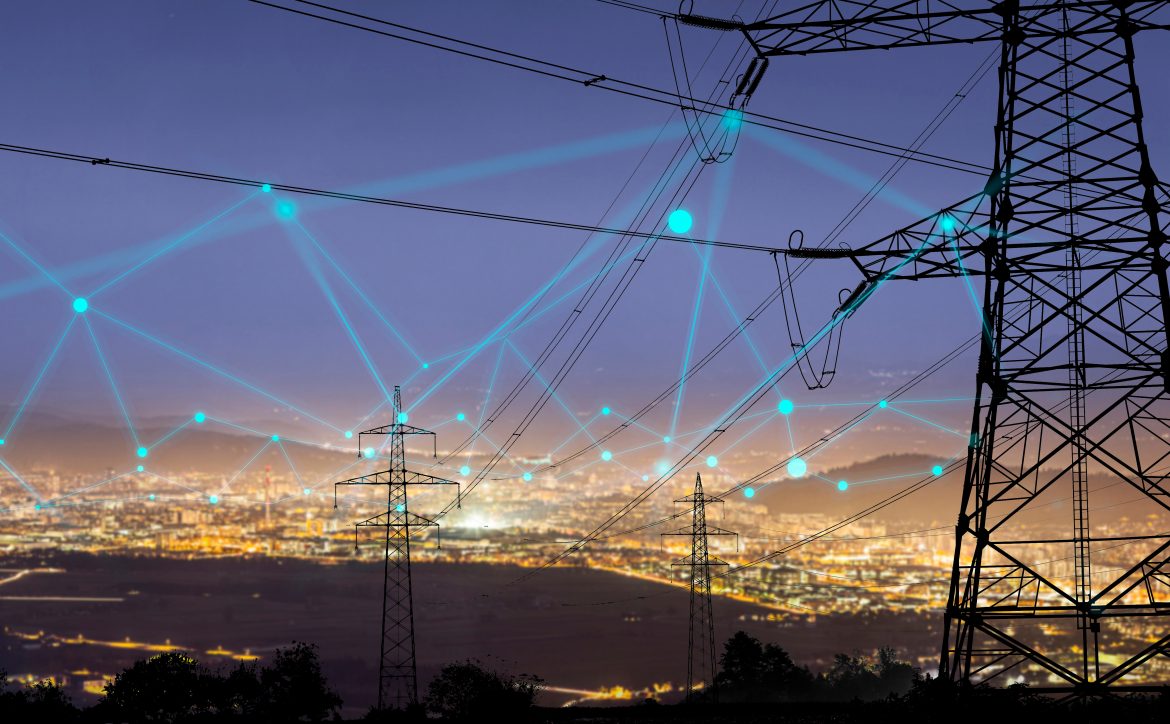
At midnight on Monday, Eskom will have gone 300 days without applying loadshedding shedding, a milestone not seen since June 2018.
Loadshedding was first deployed in South Africa in 2007 to address a deficit of energy generation capacity.
The primary culprit was the old infrastructure of coal-fired power facilities, many of which were erected during the apartheid.
The state-owned power utility, struggled to fulfill rising electrical demand as the country’s economy grew. To avoid a total breakdown of the power grid, loadshedding was used as a controlled strategy to restrict electricity usage during peak demand hours.
Eskom has said that they have made significant progress since President Cyril Ramaphosa unveiled the Energy Action Plan in July 2022, as well as the implementation of the power utility’s own Generation Recovery Plan.
“This performance has also resulted in year-to-date diesel savings of R16.42 billion [year-on-year], which is about 62.9% less than the R26.09 billion spent during the same period last year, as a result of the continued execution of the Generation Operational Recovery plan.
“In August, Eskom shared its summer outlook for the period from 1 September 2024 to 31 March 2025, predicting a likely scenario of a load shedding free summer due to structural generation improvements. This outlook remains unchanged,” Eskom said in a statement.
READ NEXT: South African inmates outperformed the national pass rate at 96.2%




![[WATCH PODCAST] Mr. Mercedes drops highly anticipated project, joining forces with Thabo Smol and Spice Drums](https://www.kaya959.co.za/wp-content/uploads/2026/10/KAYA-959-THUMBNAILS-79-100x100.png)
![[WATCH PODCAST] Tumisho Masha commands the screen as colonel Jack Phatudi in M-Net’s new must-watch series](https://www.kaya959.co.za/wp-content/uploads/2026/10/KAYA-959-THUMBNAILS-78-100x100.png)