
Ramaphosa signs a proclamation that transfers executive powers to Minister of Electricity.
The President of South Africa Cyril Ramaphosa has given his electrical minister a wide range of authority.
The announcement comes after President Cyril Ramaphosa came under fire for taking too long to grant executive powers to Kgosientsho Ramokgopa, who was appointed on March 7.
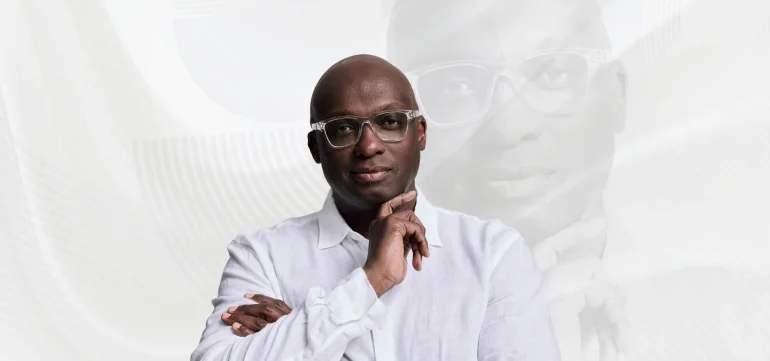
Energy expert Adil Nchabeleng joined Phemelo Motene to makes sense of the new powers given to Electricity Minister Kgosientsho Ramokgopa by President Cyril Ramaphosa.
LISTEN TO THE FULL CONVERSATION HERE:
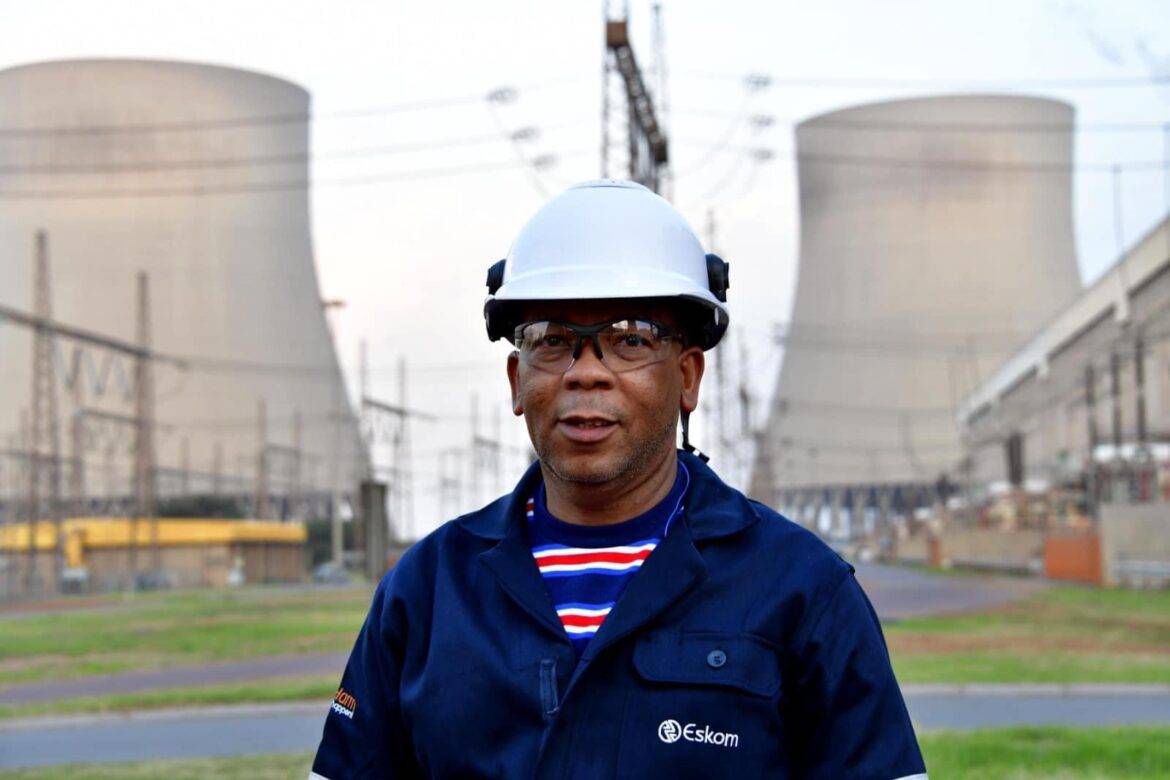
Ramokgopa was tasked to address the unprecedented outages that are affecting Eskom and the South African economy.
Also Read: Livestream: National Security Advisor to the President responds to Eskom corruption claims at SCOPA
In a statement released by the Presidency, Ramaphosa stated the way forward with regards to the ministry.
After due consideration, President Ramaphosa has transferred to the Minister of Electricity all powers and functions contained in Section 34(1) of the Electricity Regulation Act, which were previously entrusted to the Minister of Mineral Resources and Energy.
The President has also transferred to the Minister of Electricity relevant powers and functions set out in Section 34(2) of the Electricity Regulation Act.
President @CyrilRamaphosa has, in terms of Section 97 of the Constitution, signed a proclamation that transfers to the Minister of Electricity certain powers and functions entrusted by the Electricity Regulation Act (Act No 4 of 2006). https://t.co/FG0qnXFNEZ pic.twitter.com/ionwBHynYQ
— Presidency | South Africa 🇿🇦 (@PresidencyZA) May 26, 2023
The presidency also stated that Ramokgopa will work full-time with the Eskom board and management to end load-shedding and ensure that the Energy Action Plan announced by the President is implemented without delay.
The Presidency revealed that Section 34 of the Act deals with new generation capacity and provides as follows:
“(1) The Minister may, in consultation with the Regulator –
(a) determine that new generation capacity is needed to ensure the continued uninterrupted supply of electricity;
(b) determine the types of energy sources from which electricity must be generated, and the percentages of electricity that must be generated from such sources;
(c) determine that electricity thus produced may only be sold to the persons or in the manner set out in such notice;
(d) determine that electricity thus produced must be purchased by the persons set out in such notice;
(e) require that new generation capacity must –
(i) be established through a tendering procedure which is fair, equitable, transparent, competitive and cost-effective;
(ii) provide for private sector participation.
READ NEXT: GALLERY: Inside Umkhokha star Hope Mbhele’s Umemulo ceremony
![[WATCH PODCAST] Kabelo Mabalane teams up with The Arrows for infectious comeback track ahead of 10th studio album](https://www.kaya959.co.za/wp-content/uploads/2026/10/KAYA-959-THUMBNAILS-1170x658.png)

![[WATCH PODCAST] Kabelo Mabalane teams up with The Arrows for infectious comeback track ahead of 10th studio album](https://www.kaya959.co.za/wp-content/uploads/2026/10/KAYA-959-THUMBNAILS-100x100.png)