

Despite a predicted El Niño-driven drought next summer, strong dam levels and healthy grain reserves could help keep food prices stable
By Mapaballo Borotho
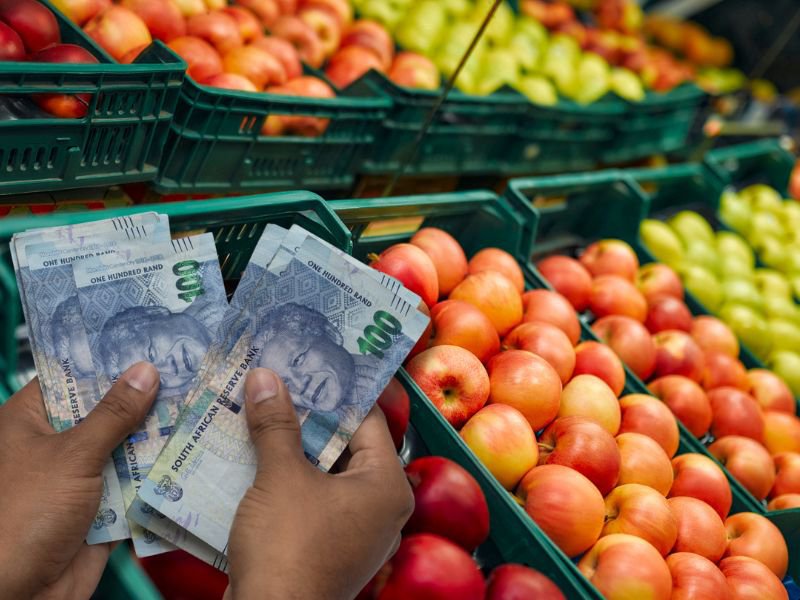
The South African Weather Service has predicted an El Niño-driven drought that is expected to affect South Africa next summer, raising concerns about food prices.
While droughts typically reduce agricultural output and drive up the cost of food, experts say the country may be better prepared this time.
Above-average rainfall over the past season has improved soil moisture and dam levels, while healthy grain reserves could help cushion consumers against sharp price increases.
Kaya 959’s Phemelo Motene spoke to Senior Agricultural Economist at the National Agricultural Marketing Council, Thabile Nkunjana, about what South Africans can expect.
“The reality is that we are dealing with nature, and with nature you cannot make all the predictions and estimates. At the end of the day, you only get to see what is really happening when it occurs.
Based on history and the data that we have so far, the drought projected for this year in the Southern Hemisphere comes at a time when South Africa is actually fortunate because of the rainfall received during the previous season, which has boosted agricultural production,” said Nkunjana.
He said South Africa currently has a healthy supply of food, including vegetables, fruit, cereals and soya beans.
According to Nkunjana, the country is in a stronger position than during previous El Niño events.
“Our soil moisture content is quite good, and it’s all thanks to the rainfall we received during previous seasons. The latest dam level data also shows that our dams are in a good state,” he added.
Nkunjana cautioned that while South Africa is well-positioned for now, external risks such as the conflict in the Middle East could still influence food prices.
He said that based on current local conditions, South Africa remains in a favourable position.
For the full discussion, listen to the podcast.
What is El Niño?
El Niño is a natural climate pattern in which the surface waters of the central and eastern Pacific Ocean become warmer than usual.
Although it occurs thousands of kilometres away, it influences weather patterns across much of the world, including South Africa.
How does El Niño affect South Africa?
El Niño is commonly associated with:
- Hotter-than-normal temperatures
- Below-average rainfall, particularly over the country’s interior
- Droughts and water shortages
- Reduced crop yields, especially maize
- An increased risk of veld fires