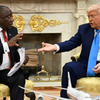

The US decision to exclude South Africa from the programme, starting on 1 January 2027, removes this privilege and shifts bilateral commerce back to standard international trade rules.
By Zuko Komisa
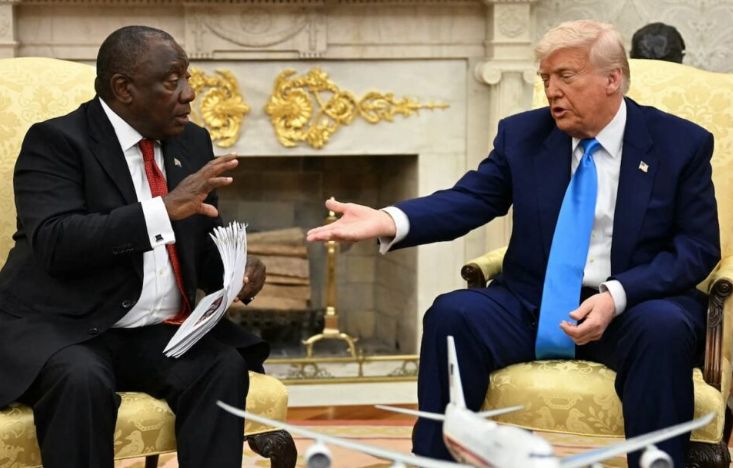
The African Growth and Opportunity Act (AGOA) is a landmark piece of trade legislation enacted by the United States in 2000.
It grants eligible sub-Saharan African countries duty-free access to the American market for thousands of products, allowing local businesses to export goods without paying standard import taxes.
The loss of duty-free status means that standard import tariffs will be applied to South African products entering the US market. This makes South African goods more expensive for American buyers compared to items coming from nations that still maintain preferential trade access.
Key sectors such as automotive manufacturing specifically vehicles and automotive components and agriculture, including citrus fruits, wine, and macadamia nuts, face the sharpest impact through reduced profit margins and increased international competition.
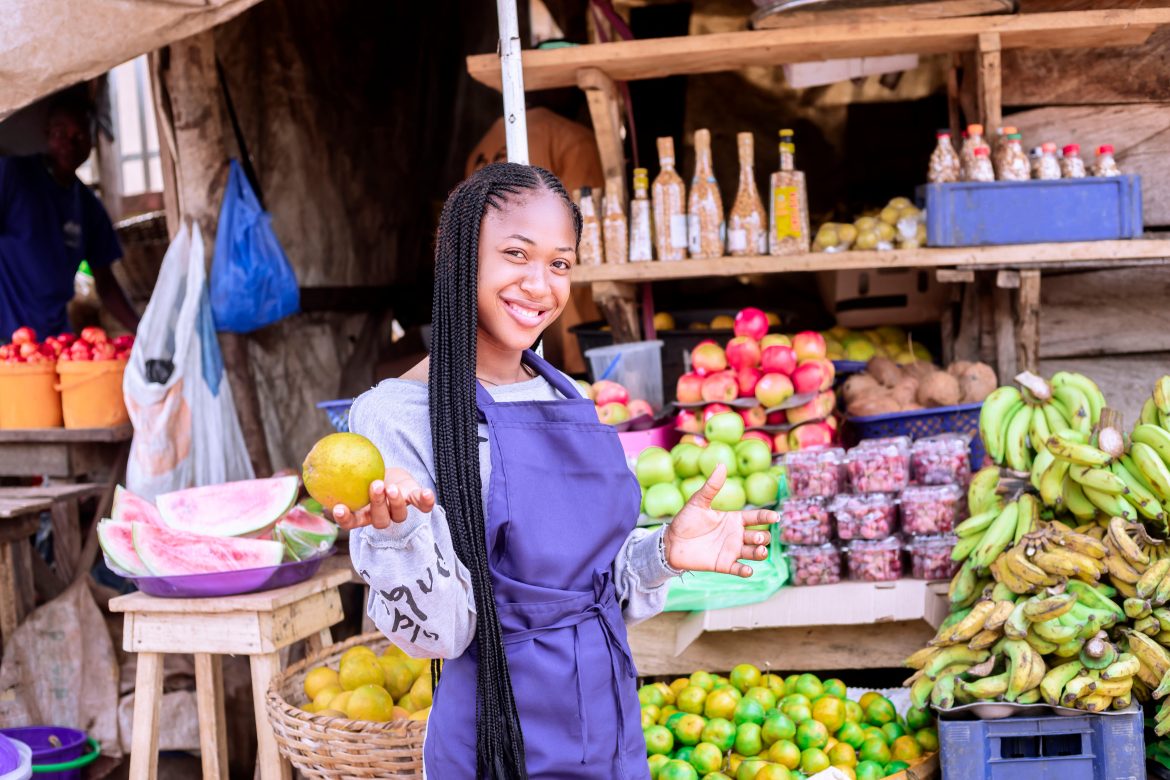
Threat to local employment and regional hubs
The economic fallout threatens operations and employment across several regional economies. Because South Africa has historically been the largest single beneficiary of the programme, accounting for over half of all sub-Saharan AGOA-eligible exports to the US, agricultural and industrial hubs will feel the squeeze.
If US importers turn to cheaper alternatives, local farms, processing facilities, and manufacturing plants may be forced to scale down production, directly impacting factory floor and farm workers.
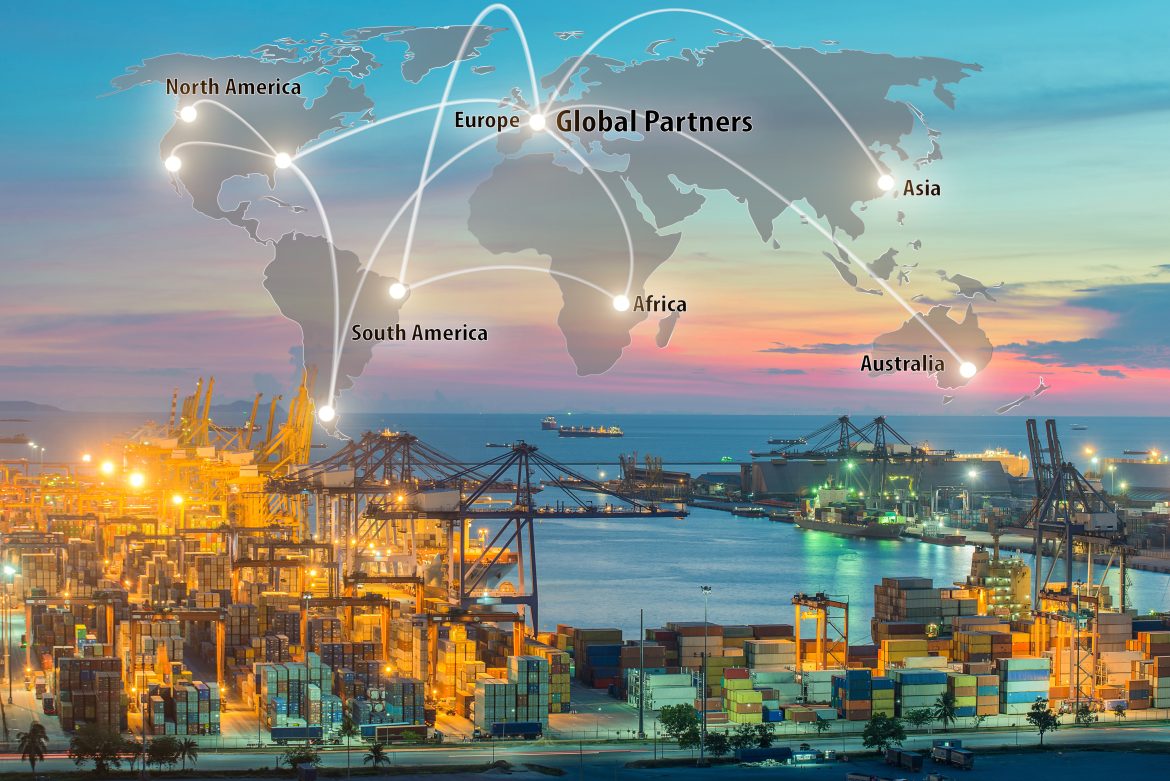
Wider trade context and economic ties
Contextually, the overall impact must be measured against the broader economic relationship between both nations. While AGOA exports accounted for around $1.7 billion in trade in 2025, that represents roughly 1% of South Africa’s total global exports, as the majority of US-South Africa trade already occurs under general World Trade Organization rules.
Furthermore, the relationship remains reciprocal; hundreds of American companies operate within South Africa, supporting over a hundred thousand local jobs, while South Africa supplies the US with critical industrial minerals and medical isotopes.
Reasons for exclusion and diplomatic friction
The formal notification to Congress cites an accumulation of trade barriers, human rights concerns, and national security considerations following an interagency review.
Specific areas of friction include long-running commercial disputes over South African import restrictions on US agricultural products like poultry and pork, alongside tariffs on American wine and spirits. Washington has also pointed to growing diplomatic disagreements and South Africa’s foreign policy positions within global economic blocs like BRICS as central factors behind the decision.
READ NEXT: