Zuko Komisa
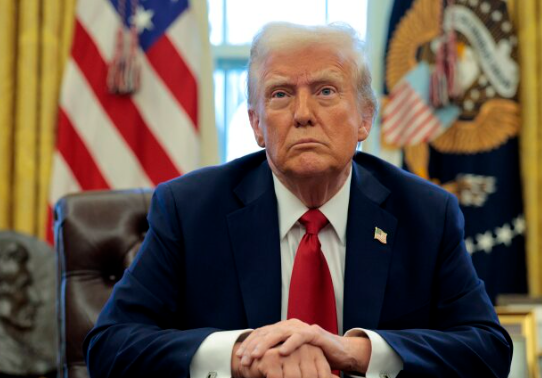
On Wednesday, U.S. President Donald Trump issued a sweeping travel ban affecting individuals from 19 countries, citing national security concerns.
The comprehensive directive imposed a full restriction on entry into the United States for citizens of Afghanistan, Burma (Myanmar), Chad, the Republic of the Congo, Equatorial Guinea, Eritrea, Haiti, Iran, Libya, Somalia, Sudan, and Yemen.
Additionally, the administration implemented partial restrictions and limitations on U.S. entry for nationals of Burundi, Cuba, Laos, Sierra Leone, Togo, Turkmenistan, and Venezuela.
This broad travel restriction was the culmination of months of planning, stemming from an executive order signed on the first day of Trump’s presidency.
That order mandated federal agencies to identify nations where the vetting of visitors and visa applicants was deemed insufficient and presented a potential threat to U.S. national security.
In a video released by the White House at the time, then-President Trump affirmed his administration’s stance, stating,
“We will not allow people to enter our country who wish to do us harm, and nothing will stop us from keeping America safe.” said Trump
The ban included several exemptions, notably for existing visa holders, lawful permanent residents, specific visa categories, and individuals whom the government determined served U.S. national interests.
🇺🇸Donald Trump has signed a new travel ban blocking entry to the US from 12 countries, with the restrictions set to begin at 12:01 a.m. on Monday. The move was announced late Wednesday.
— 凤凰欧洲 PhoenixCNE News (@PhoenixCNE_News) June 5, 2025
The full ban applies to Afghanistan, Burma, Chad, the Republic of the Congo, Equatorial… pic.twitter.com/l1DqVG96YS
READ NEXT: Ramaphosa pays tribute to late photographer and jazz promoter Rashid Lombard
![[WATCH PODCAST] Kabelo Mabalane teams up with The Arrows for infectious comeback track ahead of 10th studio album](https://www.kaya959.co.za/wp-content/uploads/2026/10/KAYA-959-THUMBNAILS-1170x658.png)

![[WATCH PODCAST] Kabelo Mabalane teams up with The Arrows for infectious comeback track ahead of 10th studio album](https://www.kaya959.co.za/wp-content/uploads/2026/10/KAYA-959-THUMBNAILS-100x100.png)