

By Mapaballo Borotho
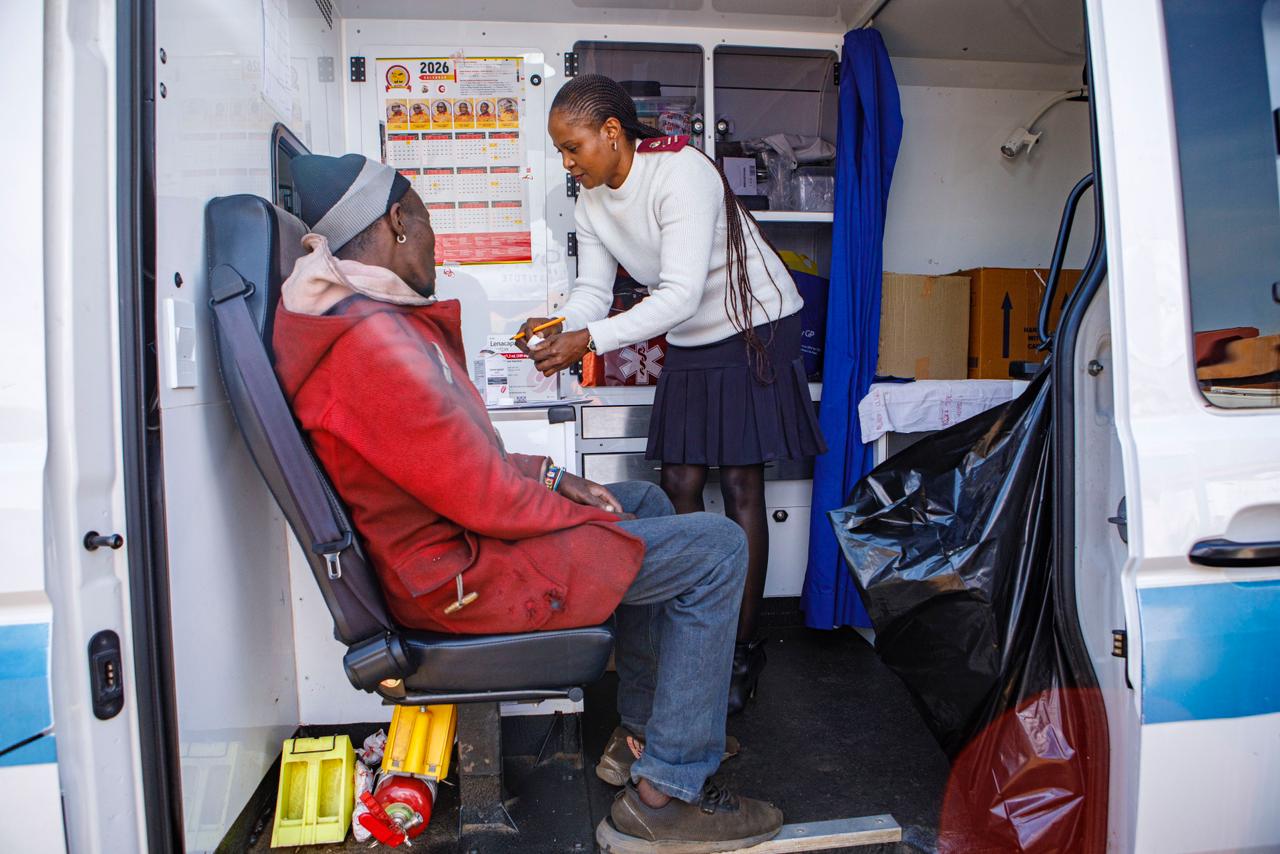
- Gauteng has received an additional 28,593 Lenacapavir injections, which are being distributed to 133 participating healthcare facilities across the province.
- The new stock will replenish facilities in Tshwane, Johannesburg and Sedibeng that experienced temporary shortages due to high demand.
- Administered once every six months, Lenacapavir offers another effective HIV prevention option but does not protect against STIs or unplanned pregnancies.
An additional 28,593 Lenacapavir injections have arrived in Gauteng and are currently being distributed to 133 participating healthcare facilities across the province.
The Gauteng Department of Health says the distribution of the new stock will ensure facilities are replenished and access for eligible clients is restored.
“While many facilities across the province still have stock available, the latest delivery will replenish facilities in Tshwane, Johannesburg and Sedibeng that experienced temporary shortages due to exceptionally high demand following the successful rollout of Lenacapavir in June 2026,” said Gauteng Health spokesperson Steve Mabona.
The Lenacapavir injection is one of the groundbreaking HIV prevention methods being used to curb the rate of HIV infections in South Africa.
The injection complements existing HIV prevention methods, including oral PrEP, HIV testing services, condom use, voluntary medical male circumcision and post-exposure prophylaxis (PEP).
Administered once every six months, Lenacapavir offers a convenient option for people who may struggle to take daily HIV prevention medication consistently.
“The overwhelming demand for Lenacapavir is a positive sign that more people are embracing HIV prevention services and taking charge of their health. It also demonstrates the need for innovative prevention options that are convenient, effective and responsive to people’s lifestyles and circumstances,” said Gauteng Health MEC Faith Mazibuko.
The public has been reminded that while Lenacapavir is highly effective in preventing HIV infection, it does not protect against sexually transmitted infections (STIs) or unplanned pregnancies.
Mazibuko encouraged individuals to continue using condoms and to access regular HIV and STI screening services, which are available free of charge at public healthcare facilities throughout Gauteng.
READ NEXT: