
By Mapaballo Borotho
- The City of Johannesburg has settled its R5.25 billion outstanding debt to Eskom after months of negotiations.
- Eskom confirmed it had received the final payment and would withdraw the PAJA process it initiated in May over the arrears.
- The settlement follows mediation between the City, City Power and Eskom to protect Johannesburg’s electricity supply.
The City of Johannesburg has finally settled its R5.25 billion debt owed to Eskom.
The settlement follows months of talks, negotiations and, at times, threats from Eskom to switch off power to the embattled metro.
On Friday, 21 August 2026, the power utility said it had received the final payment and had decided to withdraw the Promotion of Administrative Justice Act (PAJA) process it initiated in May over the outstanding arrears.
City of Johannesburg Mayor Dada Morero said the city would continue to keep future Eskom accounts up to date while also working to reduce electricity losses caused by theft and vandalism.
“Settling the R5.25 billion overdue debt demonstrates our commitment to honouring our obligations while protecting Johannesburg’s residents and businesses from disruptions to electricity supply,”said Morero
“We remain committed to maintaining current payments, reducing electricity losses through theft and vandalism, investing in critical electricity infrastructure, and working closely with Eskom to build a more reliable and sustainable energy future for our city,” he added.
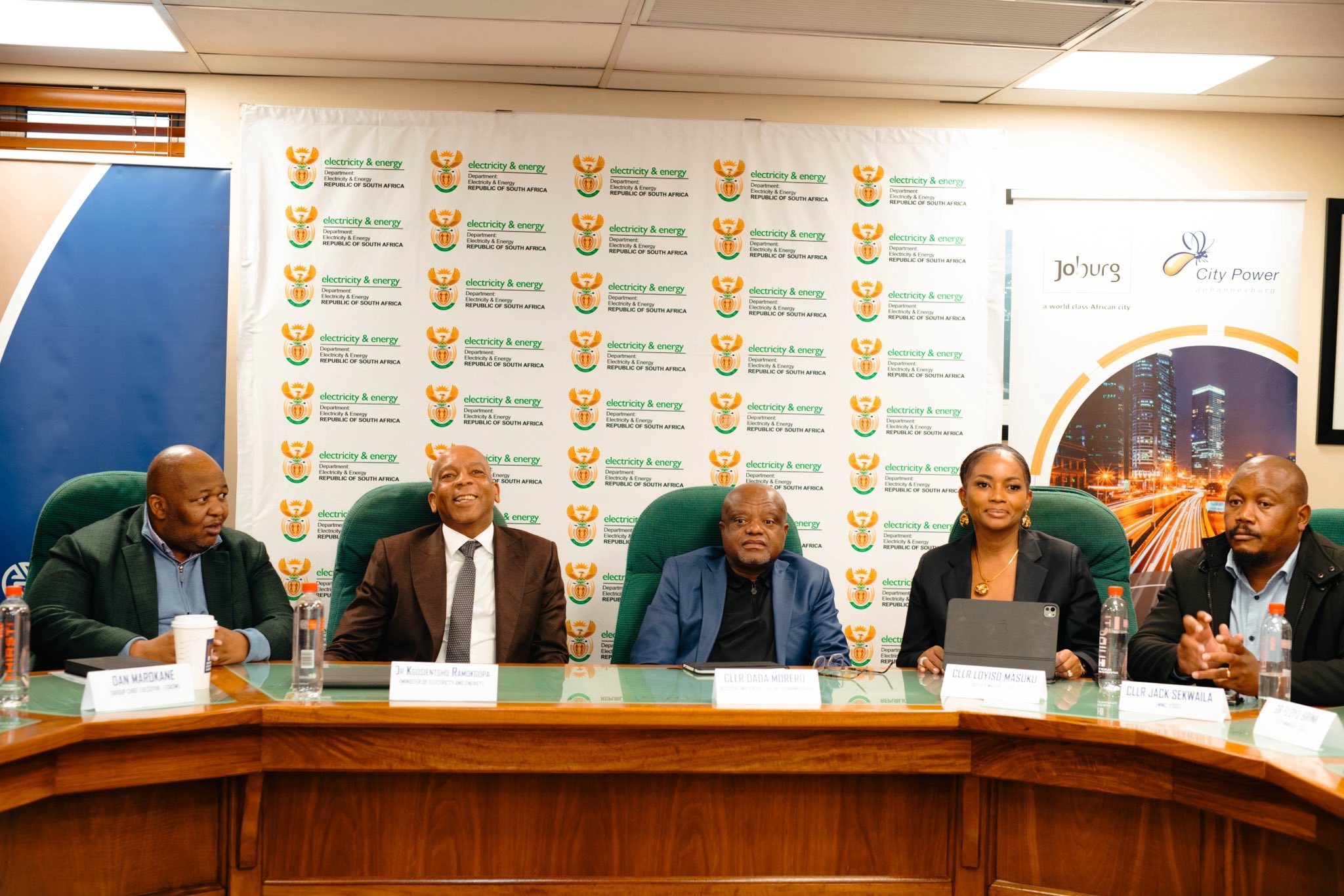
The Department of Electricity and Energy said the settlement follows mediation between the City, City Power and Eskom and forms part of efforts to protect Johannesburg’s electricity supply.
We are pleased to see this matter reach a definitive conclusion,” said Minister of Electricity and Energy, Dr Kgosientsho Ramokgopa.
“This resolution reinforces the effectiveness of the Inter-Governmental Relations (IGR) model we have championed. By maintaining an open dialogue and a structured task team, we have ensured that the residents and businesses of Johannesburg continue to receive an uninterrupted power supply while safeguarding the financial sustainability of our national utility.”
READ NEXT: