By Zuko Komisa
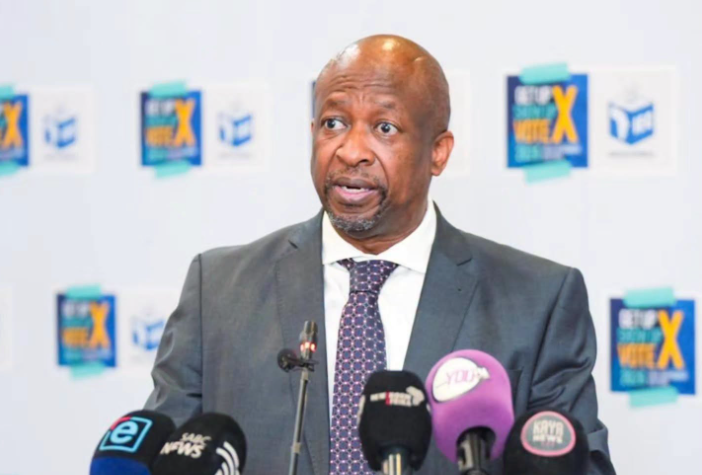
- The Electoral Commission of South Africa (IEC) delivered a critical progress update on 14 October 2026 ahead of the upcoming Local Government Elections scheduled for 4 November 2026.
- A dramatic 131 per cent surge in approved special vote applications totaling 2.65 million highlights unprecedented voter interest alongside logistics where over 66 per cent of the 79 million required ballots are already printed.
- The briefing also highlighted strict operational compliance amidst legal friction with the African National Congress (ANC) over candidate submissions, prompting calls for peaceful campaigning and ethical governance.
With just weeks remaining before South Africans head to the polls on 4 November 2026, the Electoral Commission of South Africa (IEC) held a comprehensive media briefing today to signal its operational readiness, report unprecedented engagement in early voting, and address high-stakes legal battles.
A central highlight of the briefing was the remarkable surge in special vote applications.
Chief Electoral Officer Sy Mamabolo revealed that following the deadline on 12 October, the commission approved 2.65 million special vote applications. This represents an extraordinary 131 per cent increase compared to previous electoral cycles.
“Special voting will take place across designated voting stations and home visits on 2 and 3 November 2026,” confirmed Sy Mamabolo. “The substantial rise in approved applications underscores both public enthusiasm and our expanded administrative capacity to accommodate every eligible citizen.”
Alongside special vote statistics, Mamabolo confirmed robust progress in physical logistics. More than 66 per cent of the required 79 million ballot papers have already been printed and secured, keeping the electoral timetable strictly on track.
However, the road to polling day has not been without controversy. The commission recently found itself defending its online candidate nomination portal in the Constitutional Court following a high-profile dispute with the African National Congress (ANC). The governing party failed to finalize submissions for 181 candidates across six municipalities prior to the statutory cut-off.
Addressing the commission’s stance in court, IEC officials reiterated that the candidate nomination platform was designed with multiple safeguards, including automated prompts, user manuals, and prior training.
“The portal explicitly warned and reminded users to click the final ‘Submit as Final’ button before the deadline,” the IEC stated during its legal arguments. “System integrity depends on uniform adherence to deadlines and procedural rules by all participating entities without exception.”
Beyond operational logistics and court battles, the commission struck a solemn tone regarding political conduct. Following recent Code of Conduct signing ceremonies across the provinces, IEC Chairperson Mosotho Moepya called upon all contesting parties and independent candidates to uphold democratic principles.
“Signing the Electoral Code of Conduct reflects our shared commitment to electoral integrity, consensus, and political peace,” stated Mosotho Moepya. “We urge all political leaders to prioritize peaceful campaigns and focus on delivering genuine service to our communities once elected.”
Key takeaways & election timeline
| Milestone | Details |
| Approved Special Votes | 2.65 million (131% increase) |
| Special Voting Days | 2 & 3 November 2026 |
| Ballot Paper Production | Over 66% of 79 million printed |
| Official Election Day | 4 November 2026 |
As the 4 November polling day approaches, the IEC’s updates reflect a body functioning at full capacity balancing tech-driven compliance, heavy logistics, and ethical leadership to safeguard South Africa’s local democracy.
READ NEXT: