Are South Africans staying away from the polls because they are apathetic, or because years of poor service delivery have left them feeling alienated from the democratic process?
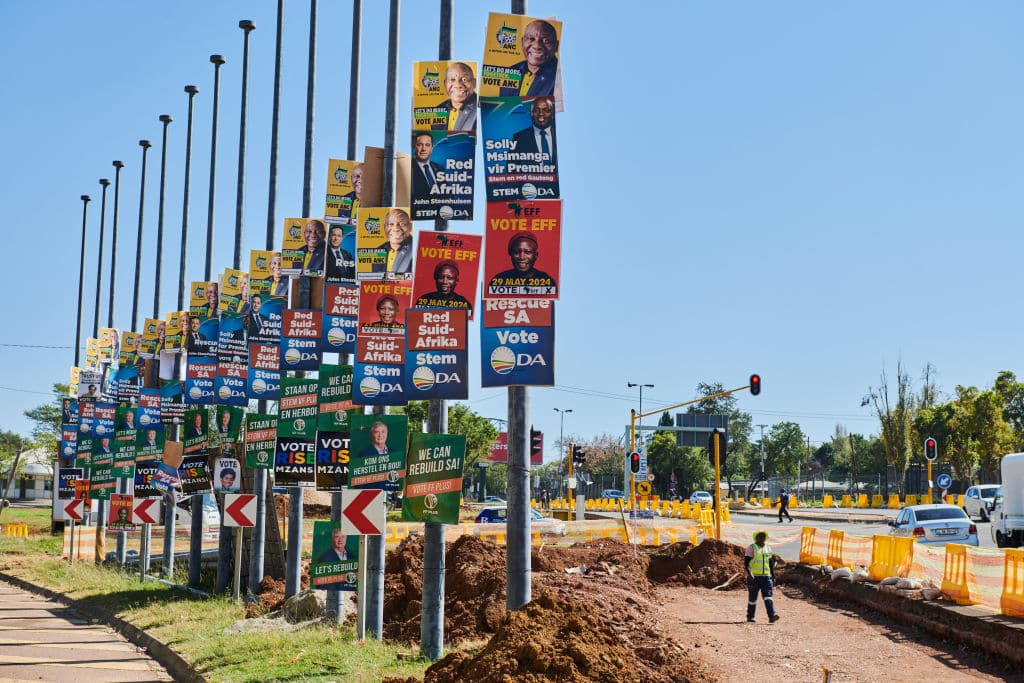
With the highly anticipated local government elections approaching, South Africans remain divided over whether to vote and which political party they believe can best serve their communities.
There is growing voter hesitancy, reflected in conversations on the streets and across social media, as many people express frustration with the current administration while weighing up which party they believe will address their needs at a local government level.
Kaya News visited residents in Ivory Park, Tembisa, where some remain uncertain about whether they will head to the polls on 4 November 2026. Among residents in the community are feelings of frustration, determination and apathy.
While some are determined to vote, others say they intend to boycott the elections, with many still undecided.
Residents have raised concerns about persistent service delivery failures, particularly water shortages and raw sewage spilling into the streets.
Some say they feel abandoned by the municipality, arguing that they continue to live in conditions that put their health and safety at risk.
31 years of living in unhealthy conditions
Community leader Lukhanyo Mnyamane has urged Ivory Park residents to participate in the 4 November local government elections rather than boycott the polls over poor service delivery.
Mnyamane says residents are frustrated after spending 31 years living in shacks without adequate electricity, proper roads, toilets and meaningful development.
Angry residents say councillors repeatedly visit their communities during election campaigns, promising improved services, only to disappear after the elections while residents continue to live in appalling conditions.
He has encouraged residents to use their votes to hold councillors accountable and remove those they believe have failed to deliver essential services.
“I try to encourage people that they cannot just sit at home and choose not to vote. If we go out and vote in numbers, voting for people that we see will bring change, that’s exactly what we need,” he said.
Is it voter apathy or frustration over things remaining the same?
The uncertainty surrounding voter participation extends beyond Ivory Park and Tembisa, particularly among young South Africans who feel disconnected from the political system.
According to research by the Institute for Security Studies (ISS), young people interviewed in townships in Ekurhuleni and eThekwini expressed deep frustration with a democratic system they believe neither sees nor serves them.
In the 2021 local government elections, only 35% of registered voters in their twenties turned out to vote, the lowest turnout of any age group.
While this is often described as voter apathy, the ISS argues that the experiences shared by young people point to something deeper: alienation from a political system they feel has failed to meet their expectations.
The research also highlights concerns about politicians who make promises during election campaigns but fail to maintain meaningful engagement with communities once elections are over.
With the 4 November elections approaching, questions remain about whether young voters and frustrated residents will participate in the polls, and what it will take to rebuild their trust in local government.
For communities grappling with inadequate services, the issue may go beyond choosing a political party. It may also be about whether residents believe their votes can translate into meaningful change in their daily lives.
READ NEXT: