By Mapaballo Borotho
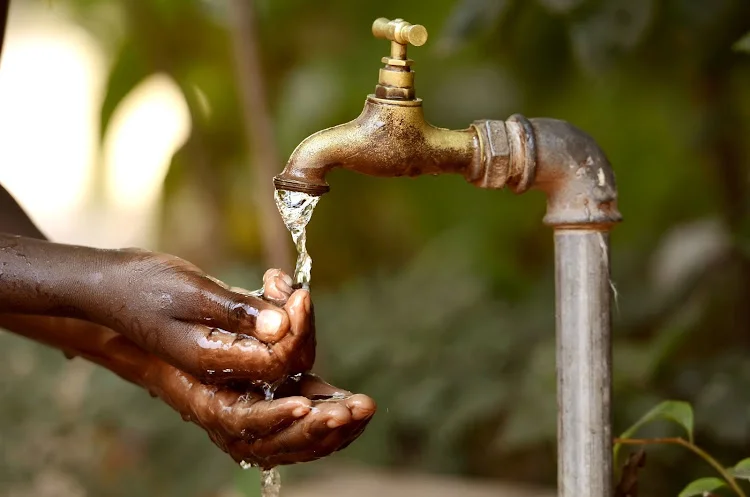
- Hammanskraal residents say they will use their votes to demand accountability over the area’s long-running water crisis.
- For more than a decade, communities have faced unreliable water supply, with residents reporting discoloured water and unpleasant smells when their taps do run.
- The crisis has become a major concern ahead of the 4 November local government elections, with residents saying they want political leaders to answer for years of unfulfilled promises.
With just 55 days to go before the local government elections, Hammanskraal residents say their worsening water crisis has forced them to take a closer interest in local politics.
Residents are preparing to make their voices heard at the ballot box on 4 November 2026, saying they intend to use their votes to demand accountability and improved service delivery.
For more than a decade, Hammanskraal, a township in Pretoria North, has struggled with an unreliable supply of safe drinking water.
Residents say that even when water flows from their taps, they are often concerned about its quality. When the taps run dry, some residents are forced to queue for hours at boreholes or rely on water supplied by municipal tankers.
Despite repeated promises from the City of Tshwane, the Department of Water and other government authorities to resolve the area’s longstanding water problems, some communities say they are still receiving water they fear is unsafe for drinking and other household use.
The crisis gained national attention in 2023 when a cholera outbreak in Hammanskraal claimed at least 23 lives. The Department of Health confirmed 99 cholera cases during the outbreak.
The cause of the outbreak has remained the subject of investigation, while concerns have also been raised about the controversial Rooiwal Wastewater Treatment Plant and its associated infrastructure and contracts.
Kaya News recently visited one of the affected sections of Hammanskraal and found residents grappling with ongoing concerns over the quality and reliability of their water supply.
Water collected directly from a tap initially appeared clear. However, residents said its condition changed after it was collected in a bucket, where it appeared brown and developed a layer of foam accompanied by an unpleasant smell.
One resident told Kaya News that the community had lost patience after years of promises and was now considering using its collective vote to demand change.
For thousands of households in the area, the situation has raised concerns about whether the water is safe to drink, cook with or use for bathing.
As the 4 November elections approach, residents say the water crisis will be among the issues they consider when deciding who to support at the ballot box.
After years of frustration and promises to resolve the crisis, they say they want political leaders to be held accountable for the services delivered or not delivered in their communities.
READ NEXT:
![[WATCH PODCAST] Omar on his ninth studio album and why Stevie Wonder and Erykah Badu call him their ultimate musical idol](https://www.kaya959.co.za/wp-content/uploads/2026/10/KAYA-959-THUMBNAILS-6-1170x658.png)
![[WATCH PODCAST] Omar on his ninth studio album and why Stevie Wonder and Erykah Badu call him their ultimate musical idol](https://www.kaya959.co.za/wp-content/uploads/2026/10/KAYA-959-THUMBNAILS-6-100x100.png)