By: Natasha Archary

Inflation and a broader cost-of-living crisis are two main contributors to the rise in domestic worker unemployment rates due to employer affordability.
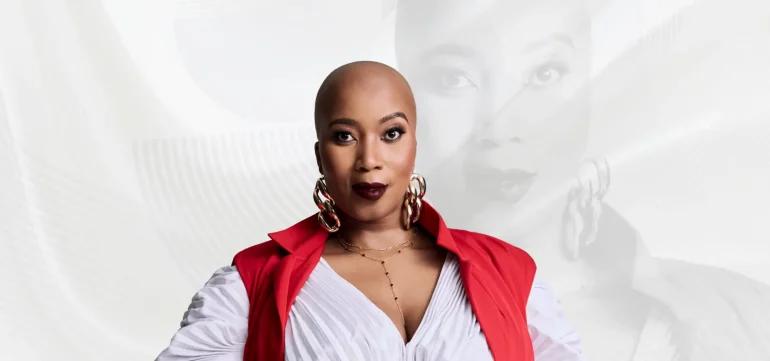
Lourandi Kriel, CEO at SweepSouth joins Gugulethu Mfuphi on Kaya Biz to share more about how the financial and mental toll is affecting domestic workers in South Africa.
“Of the respondents surveyed, 92% are women and 83% are sole breadwinners who take care of up to 4 dependents.
There are 3 key findings from the report that stood out for me and the ripple effect of the macro-economic conditions in the country shows households are extremely stretched with inflation, food costs and interest rates which leaves less disposable income in the household.
This is impacting job losses, where 36% of domestic workers have lost their jobs due to employer affordability.
Financial insecurity and an increase in declining mental health are affecting the domestic workforce.
There is a positive takeaway from the findings in that 85% of respondents shared they would like to further their education if they had the money or time.”
The SweepSouth report has been tracking working conditions and progress regarding domestic worker pay structures since 2018, revealing the annual increase in the minimum wage does not buffer their cost of living which has increased by 15% over the past year.
Lourandi shares that domestic workers earnings increase by 5% year-on-year and there has been an increase in affordability issues since the COVID-19 pandemic.
Of the 5 600 domestic workers surveyed there has been a 16% increase in mental health stress and anxiety due to financial pressures.
A majority of 75% are unable to save and 21% of the domestic worker respondents have lost all forms of employment.
Listen to the conversation on Kaya Biz:
Also read: Nannies, cost of living and time: Is parenthood still worth it?
![[WATCH PODCAST] Kabelo Mabalane teams up with The Arrows for infectious comeback track ahead of 10th studio album](https://www.kaya959.co.za/wp-content/uploads/2026/10/KAYA-959-THUMBNAILS-1170x658.png)

![[WATCH PODCAST] Kabelo Mabalane teams up with The Arrows for infectious comeback track ahead of 10th studio album](https://www.kaya959.co.za/wp-content/uploads/2026/10/KAYA-959-THUMBNAILS-100x100.png)