By: Natasha Archary
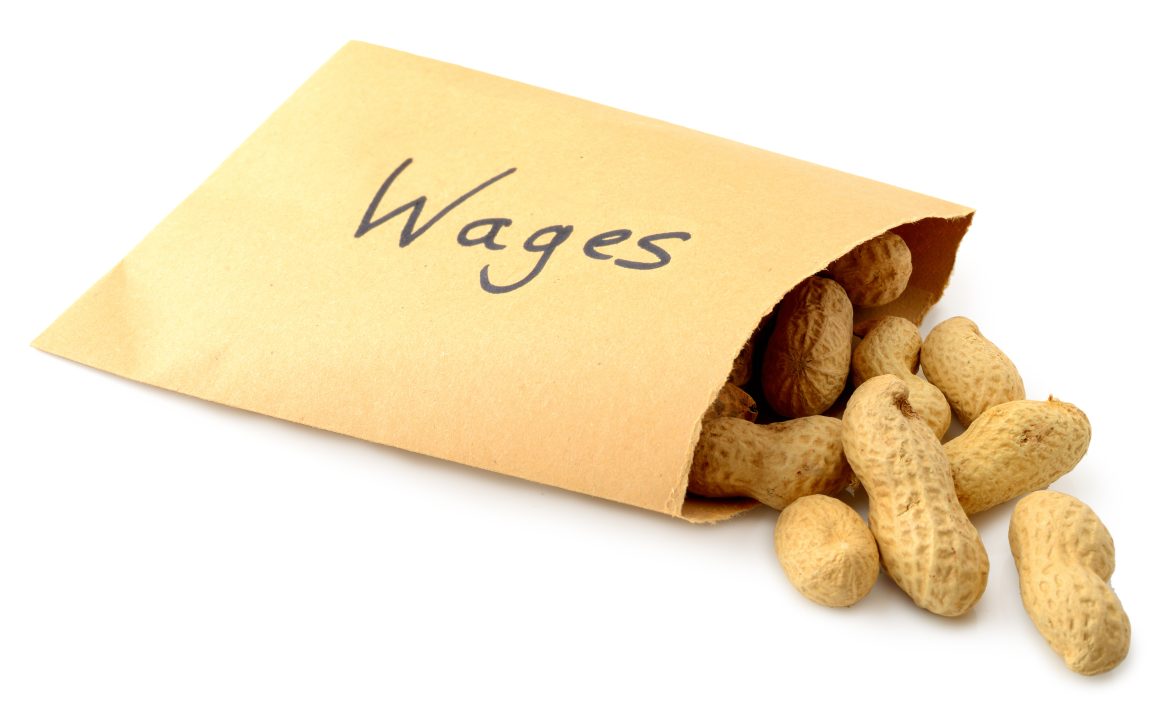
You might want to hold off on pushing for that increase at work, as the new earnings threshold impacts your rights as an employee.
Sashin Naidoo, Associate at Cliffe Dekker Hofmeyer (CDF) joins Gugulethu Mfuphi on Kaya Biz to break down how a higher salary can exclude you from some perks such as overtime.
What is the earnings threshold?
As of the 01 March, the new earnings threshold has changed from R224 080.48 a year to R241 110.59 a year which equates to roughly R20 093 a month now from the previous monthly salary threshold which was R18 673.
This means that if you earn above this threshold, you will no longer benefit from certain statutory provisions, such as overtime and public holiday rates, and possibly other company perks, such as travel expenses.
“When looking at the remuneration of employees, one must bear in mind that the Minister of Finance sets an earning threshold every year, and what this threshold means is that if one is earning above the earning threshold per annum, they would be excluded from certain provisions under our employment laws.
These provisions, particularly the provisions under the Basic Conditions of Employment Act (BCEA), provides certain protection to employees who are considered vulnerable, due to their lower per annum earnings.”
In terms of the BCEA employees earning above the threshold are excluded from the provisions that regulate the following:
- Ordinary hours of work
- Overtime
- Compressed working weeks
- Averaging of the hours of work
- Meal intervals
- Daily and weekly rest periods
- Sunday pay
- Pay for night work
- Pay for work on public holidays
The earning threshold applies to both private sector and public sector employees but may exclude contributions made by an employer on behalf of an employee.
Listen to the conversation on Kaya Biz:
Also read: Education Department to look at changes for school uniforms as costs skyrocket
![[WATCH PODCAST] Kabelo Mabalane teams up with The Arrows for infectious comeback track ahead of 10th studio album](https://www.kaya959.co.za/wp-content/uploads/2026/10/KAYA-959-THUMBNAILS-1170x658.png)

![[WATCH PODCAST] Kabelo Mabalane teams up with The Arrows for infectious comeback track ahead of 10th studio album](https://www.kaya959.co.za/wp-content/uploads/2026/10/KAYA-959-THUMBNAILS-100x100.png)