

By: Natasha Archary
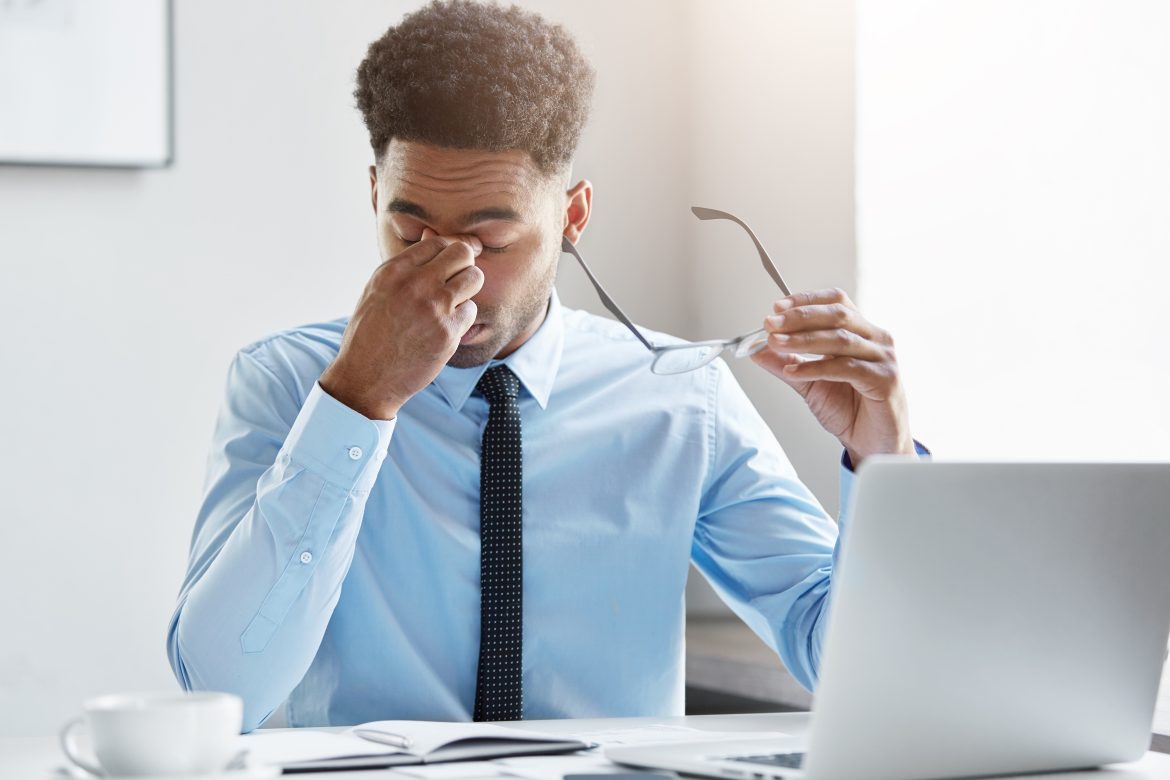
Hybrid working or working from home may have it’s perks and offer employees flexible working conditions, but there may be a new concern over sitting for hours at work being the new epidemic.
Motshabi Nomvethe, Head of Technical Marketing, Professional Provident Society joins Gugulethu Mfuphi to share how remote working research shows that working from home often means putting in more hours than you would at the office.
“Yes, the pandemic is gone but what are some of the lingering effects?
The shift to remote working has aged our bodies by about 10 to 15 years, with negative impact ranging from eye strain to back pain.
None of us were prepared for the change and being home bound for as long as we were meant people were working from their kitchens, couches or their beds.
This effects posture, and at times when working from home some people don’t know when to call it a day and stop working.
So, we spend hours sitting, and that sedentary lifestyle and lack of exercise, breaks and stagnant routine does take a toll on your health.”
Researchers from the National Bureau of Economic Research estimate that people who work from home now use 40% of the time they save on commuting to do added work.
According to the research we were exercising less, developing musculoskeletal problems and experiencing disturbed sleep.
Jobs that require long periods of sitting, lack of exercise and dependence on technology and devices have all added to people becoming far more sedentary than in previous decades, with many of us spending hours of our days sitting.
In fact, it is estimated that one-third of the global population aged 15 years and older engages in insufficient physical activities, which affects our health.
Listen to the conversation on Kaya Biz:
Also read: Bester and Dr Nandipha take Showmax to High Court over documentary
![[WATCH PODCAST] Kabelo Mabalane teams up with The Arrows for infectious comeback track ahead of 10th studio album](https://www.kaya959.co.za/wp-content/uploads/2026/10/KAYA-959-THUMBNAILS-1170x658.png)

![[WATCH PODCAST] Kabelo Mabalane teams up with The Arrows for infectious comeback track ahead of 10th studio album](https://www.kaya959.co.za/wp-content/uploads/2026/10/KAYA-959-THUMBNAILS-100x100.png)