By: Natasha Archary
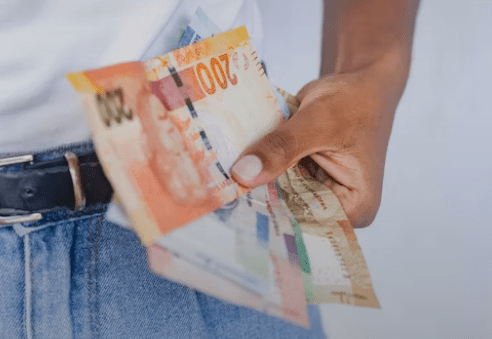
South Africa’s inflation rate has slowed to its lowest level since April 2022, dropping from 6.8% to 6.3%, with food prices finally cooling down.
Economist at Nedbank, Isaac Matshego who broke down what this means to the South African consumer, is optimistic that inflation will drop further to about 5% by the end of the year.
“The inflation figure for May released on 21 June, came out looking better than expected with the market consensus pointing to a 6.5% decline, but it dropped to 6.3%.
That can only mean one thing, that global food inflation and oil prices are lower compared to the second half of last year.
We expect South Africa’s inflation to keep dropping to as low as 5% in the second half of this year.”
Isaac Matshego, Economist at Nedbank
Matshego said food and fuel accounts for the largest portion of the consumption basket, and food inflation in particular has been very sticky for the past few months, so this is good news for consumers.
According to Matshego, the Rand’s beautiful recovery against the US Dollar can be attributed to the inflation rate slowing so significantly.
“The world is facing a lot of pressure now, and encouragingly we’re seeing the sharp inflation pressures from last year easing. This was expected because with weaker demand, inflation had to come down.
The Monetary Policy Committee will announce its decision around the interest rates on 20 July but by then we’ll get June’s Consumer Price Index which we’re expecting to fall to 6%.
High interest rates will hit consumers hard, so we have to wait to see if the South African Reserve Bank will use the current data to drop the interest rates by 25 or 50 basis points, or increase it again.
A weaker Rand does motivate inflation spiking.”
While meat, bread and cereal prices fell, sugar, sweets and desserts remain luxury items for most South African households.
Sugar, sweets and desserts grew more expensive increasing to 11.9% this year until May, from 10.7% in April.
The average price of a slab of chocolate (80 grams) rose from R17.11 to R20.26 over the same period.
For now, oils and fats are now 2.4% cheaper than the same period last year.
Meat prices slowed by 0.4% and dining out at restaurants gets more expensive for the average South African.
Restaurant prices increased by 1.2% between April and May, taking the annual rate for restaurants up to 7.4%.
Listen to the conversation on Kaya Biz:
Also read: National Lotteries Commission clarifies its position on corruption scandals
![[WATCH PODCAST] Kabelo Mabalane teams up with The Arrows for infectious comeback track ahead of 10th studio album](https://www.kaya959.co.za/wp-content/uploads/2026/10/KAYA-959-THUMBNAILS-1170x658.png)

![[WATCH PODCAST] Kabelo Mabalane teams up with The Arrows for infectious comeback track ahead of 10th studio album](https://www.kaya959.co.za/wp-content/uploads/2026/10/KAYA-959-THUMBNAILS-100x100.png)