

By: Natasha Archary
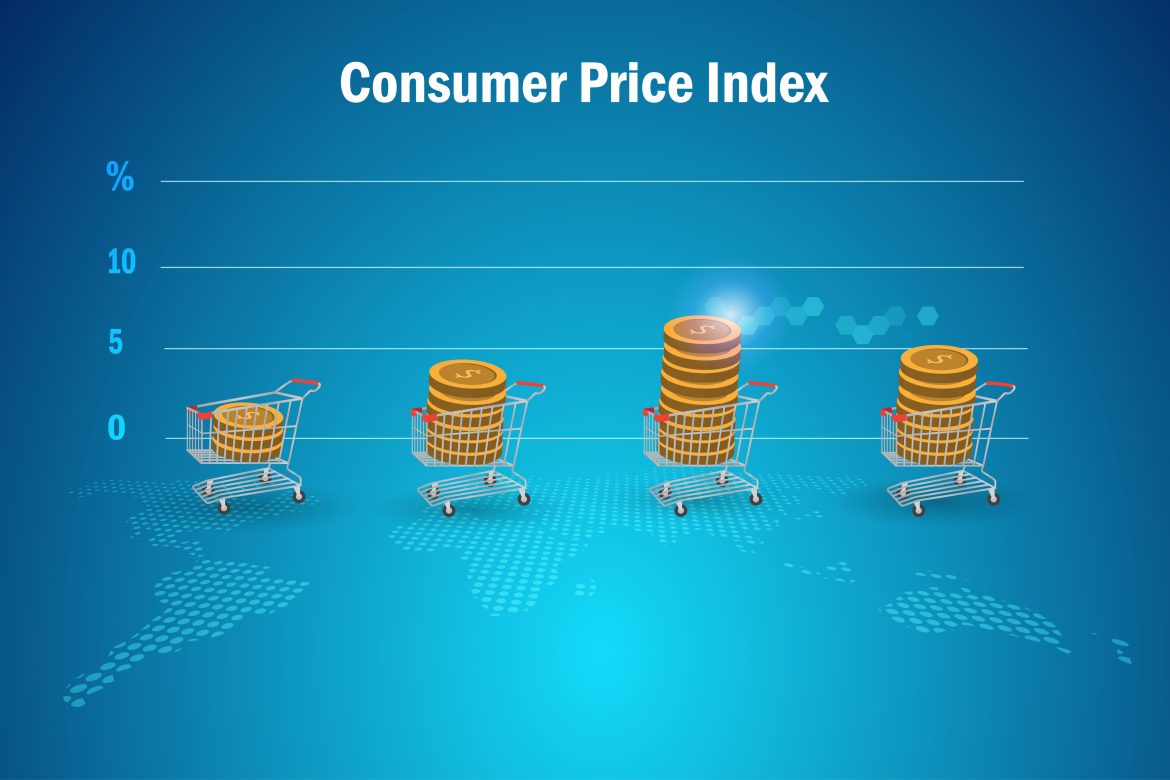
Headline inflation fell to 5.1% in June, a small decrease from May’s figure of 5.2%.
The Consumer Price Index (CPI), a key indicator of inflation and economic health, registered at 5.1% and the marginal drop signals a modest easing of inflationary pressures within the economy.
Koketso Mano, FNB Senior Economist joins Gugulethu Mfuphi on Kaya Biz to break down what the slight decline means for core price pressures such as food and fuel.
June’s CPI Analysis
The drop, although minimal, could be attributed to various elements such as changes in energy prices, fluctuations in food costs, and adjustments in housing expenses.
It’s important to delve deeper into these categories to understand the broader implications:
- Energy Prices: Often a significant driver of inflation, energy costs, including fuel and electricity, can have a substantial impact on the CPI. Any decrease in these costs can lead to a lower overall CPI.
- Food Prices: The prices of groceries and dining out are essential components of the CPI. Seasonal variations and supply chain issues can affect these prices, contributing to changes in the index.
- Housing Costs: Rent and home loan payments are significant expenses for many households. Shifts in the real estate market, interest rates, and housing demand can influence the CPI.
Economic Implications
While the decrease from 5.2% to 5.1% may appear minor, it suggests a potential stabilization in inflation rates. This can have several positive implications for the economy:
- Consumer Confidence: A stable or decreasing CPI can boost consumer confidence, encouraging spending and investment. When consumers feel that prices are not rising uncontrollably, they are more likely to make significant purchases and contribute to economic growth.
- Monetary Policy: Central banks closely monitor the CPI to guide monetary policy decisions. A lower inflation rate can reduce the need for aggressive interest rate hikes, supporting economic expansion while keeping borrowing costs manageable for businesses and consumers.
- Purchasing Power: A slower rate of inflation helps maintain the purchasing power of consumers. When inflation is high, the real value of money decreases, leading to reduced purchasing power. A stable CPI helps preserve the value of earnings and savings.
Listen to the conversation on Kaya Biz:
Also read: Shein pop-up store coming to Mall of Africa in August




![[WATCH PODCAST] Mr. Mercedes drops highly anticipated project, joining forces with Thabo Smol and Spice Drums](https://www.kaya959.co.za/wp-content/uploads/2026/10/KAYA-959-THUMBNAILS-79-100x100.png)
![[WATCH PODCAST] Tumisho Masha commands the screen as colonel Jack Phatudi in M-Net’s new must-watch series](https://www.kaya959.co.za/wp-content/uploads/2026/10/KAYA-959-THUMBNAILS-78-100x100.png)