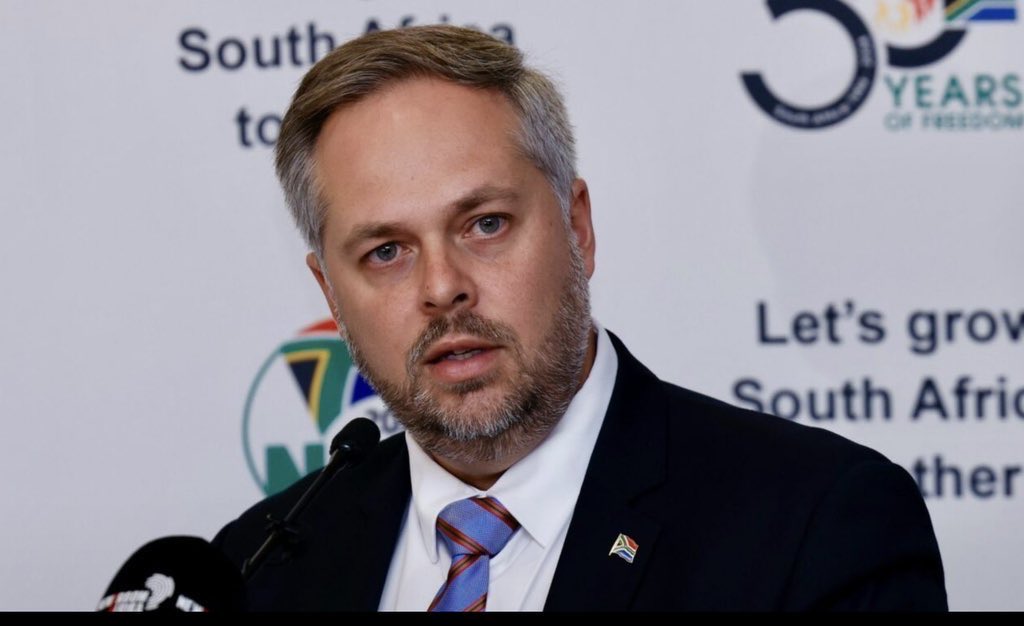
Political studies lecturer Sanet Solomon breaks down the chaotic reality of coalition-building across South Africa’s unseated municipalities.
By Zuko Komisa
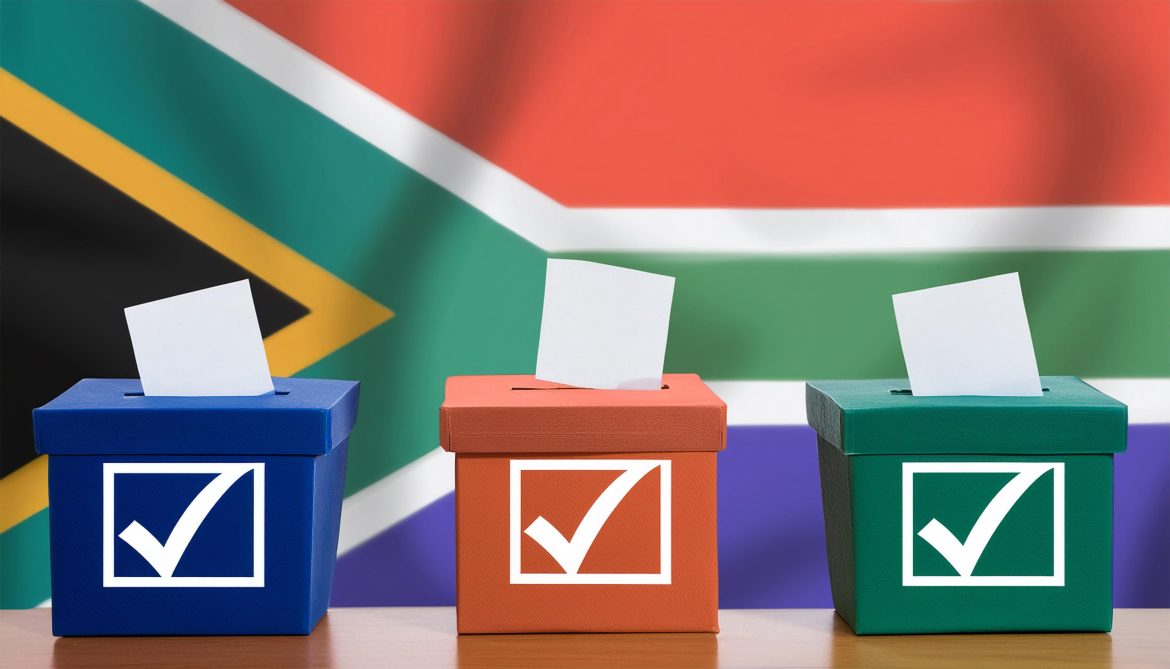
With South Africa’s 2026 local government election results officially declared, the nation faces a massive political shift: 139 of its 213 municipalities are now hung councils with no outright winner.
From major metros like Johannesburg, Tshwane, and Ekurhuleni to smaller regional towns, party leaders are racing to cut power sharing deals before the mandatory 14 day deadline to convene council sittings.
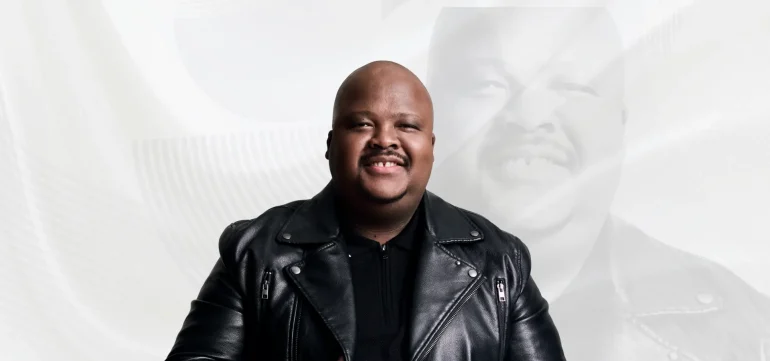
Speaking on Drive 959’s Make It Make Sense, Political Studies lecturer Sanet Solomon clarified that being the largest party does not guarantee governance:
“If the other political parties are able to form a coalition, then they can become the municipality because the important thing is to have that 50 plus one.”
Negotiations are being driven from the top down rather than locally.
“What is particularly fascinating about this local government election was that all of the national leaders said that they would be involved in terms of the formulation of these councils,” Solomon noted.
“So, they will be making a decision at a national level in terms of which political parties they are willing to form coalitions with.”
Meanwhile, smaller “kingmaker” parties now hold immense leverage, allowing those with just 6% to 8% of the vote to secure key appointments and influence municipal budgets.
Solomon warned that valuable time is being squandered during this critical transition window, observing that,
“a lot of the 14 days is unfortunately wasted… on personality squabbles as opposed to trying to come together, figure out a plan and how they’re going to be working together.”
Addressing concerns over what happens if negotiations deadlock before council sittings, Solomon remained optimistic about meeting statutory deadlines:
“We fortunately have not been in a situation where different parties cannot come together to actually formulate that… Most of the political parties have been able to stick towards that deadline.”
Ultimately, political wheeling and dealing cannot bypass the Constitution or the Municipal Finance Management Act municipal administrations remain legally bound to deliver basic services regardless of political instability, and residents retain the right to demand accountability through public council sittings, ward committees, and direct escalation to municipal managers or the Public Protector.
Listen to the podcast for the full conversation. Kaya 959 podcasts are available to download.
READ NEXT: