
With temperatures soaring across South Africa, health experts are reminding people to stay hydrated, protect their skin and take precautions when spending time outdoors.
By Mapaballo Borotho

South African temperatures have been soaring over the past few weeks, with many people complaining that the heat has become extremely unbearable.
While some may be welcoming the warmer weather after a particularly chilly winter, the heat also comes with its challenges.
As temperatures rise, it is important to know how to protect yourself and manage the effects of prolonged exposure to the hot weather.
It is not particularly complicated. One of the most important things you can do is stay hydrated.
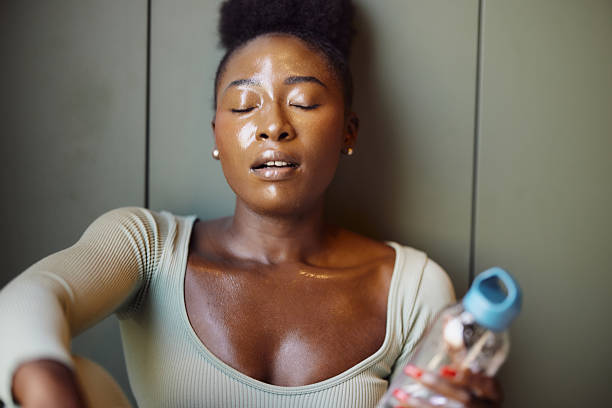
We know that on hot summer days, all we want is a refreshing drink packed with fruit and ice, whether it is a mocktail or a cocktail. However, drinking water regularly is just as important.
Health experts advise people not to wait until they feel thirsty before drinking water. It is also important to be mindful of alcohol consumption, as alcohol can contribute to fluid loss and impair judgement.
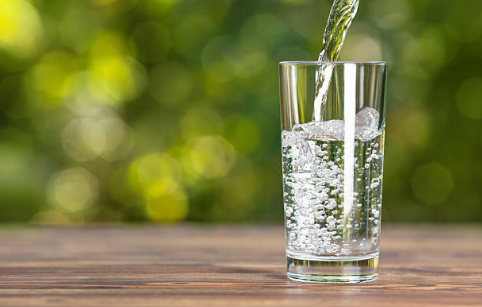
Your body comes under additional strain during hot weather as it works harder to regulate its temperature. To cool itself down, it sends more blood towards the skin and produces sweat. This means the heart has to work harder, sometimes for extended periods.
At the same time, the loss of water and salts through sweating can lead to dehydration, while the additional strain on the body may aggravate existing health conditions.
It is also important to give your body time to adjust
With summer here, many people are already making plans that involve outdoor activities, from hiking and joining running clubs to spending the day at the beach or enjoying a safari experience.
However, medical experts warn that it is important to give your body time to adjust to warmer temperatures before taking part in strenuous physical activities.
If you are planning to exercise outdoors, start gradually and allow your body several days to acclimatise. Where possible, avoid strenuous activities during the hottest parts of the day and opt for the cooler morning or late afternoon hours.
Sunscreen! Sunscreen! Sunscreen!
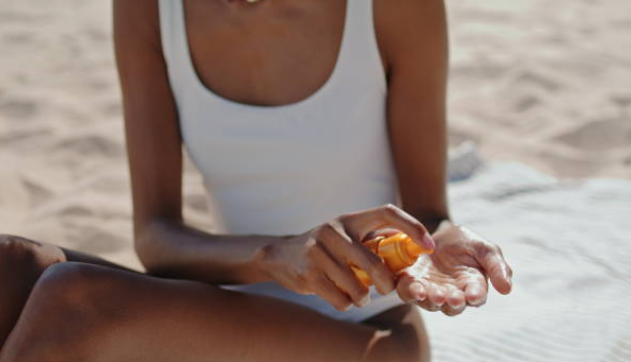
One common misconception that people have is that sunscreen is only necessary on scorching hot days or when spending time at the beach or beside a swimming pool.
However, according to Lucy Balona, Head of Marketing and Communication at the Cancer Association of South Africa (CANSA), ultraviolet (UV) radiation can damage the skin even when temperatures are mild, the sky is overcast or people are simply going about their daily activities outdoors.
The outside temperature is not a reliable indication of how much ultraviolet radiation you are exposed to.
Balona says it is important to check the daily UV Index and take additional precautions to protect exposed skin when UV levels are high.
She advises people to use a broad-spectrum sunscreen that protects against both UVA and UVB rays. CANSA recommends SPF50 for stronger protection, particularly when spending extended periods outdoors.
While we have little to no control over weather patterns, we can take practical steps to protect ourselves from the effects of extreme heat.
With El Niño also being monitored as a potential influence on weather conditions in the Southern Hemisphere, staying informed about changing weather patterns and taking precautions during hot spells remain important.
READ NEXT: