
Zuko Komisa
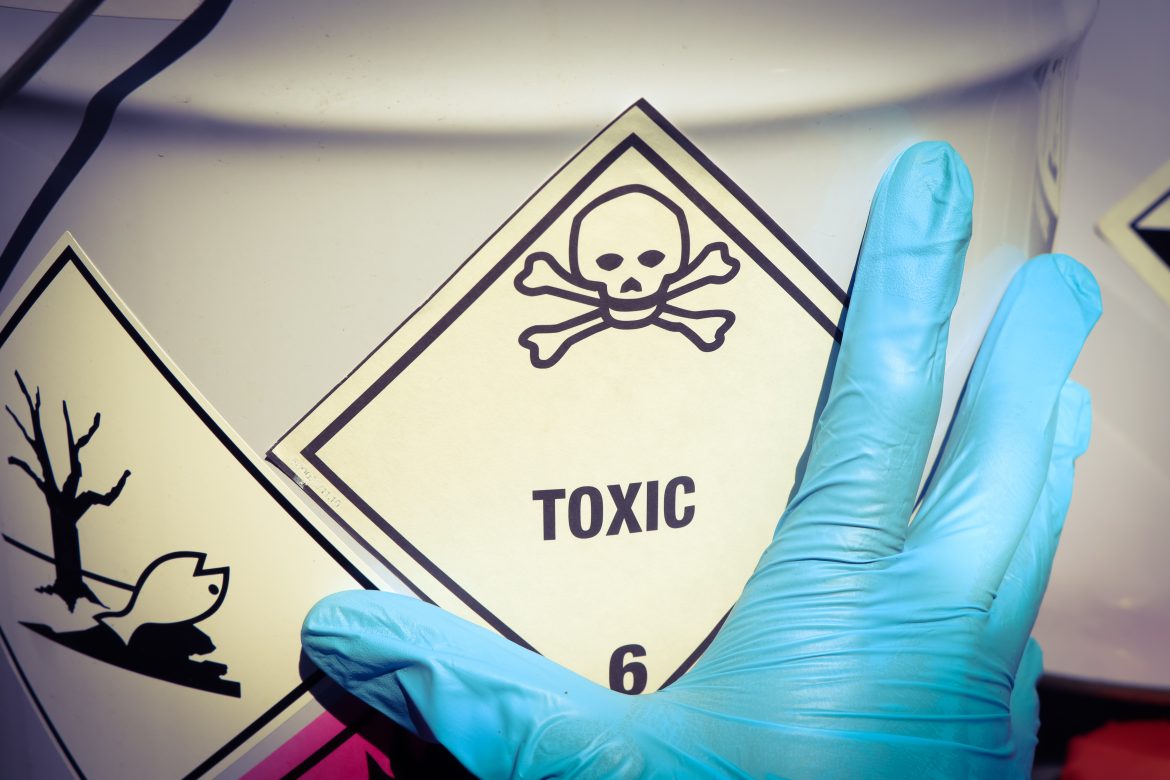
The South African government has officially prohibited the importation and use of Terbufos, a highly toxic pesticide also known as “halephirimi,” in a decisive move following the tragic food poisoning deaths of several children in Soweto last year.
The fatalities were directly linked to food contaminated with the organophosphate pesticide, sparking national outrage and prompting an extensive investigation.
The ban comes as a direct result of findings from an Inter-Ministerial Committee on food-borne illnesses, which placed significant emphasis on the dangers posed by organophosphate pesticides.
While the precise origin of the contamination remains under investigation, it is strongly suspected that the affected children consumed snacks purchased from a local spaza shop.
Minister in the Presidency Khumbudzo Ntshavheni stated in a Cape Town media briefing that “the possibility that the children consumed food contaminated with Terbufos purchased from a local spaza shop remains the most viable explanation.”
In response to this devastating incident, President Cyril Ramaphosa has mandated the nationwide registration of all spaza shops. This measure aims to better regulate informal food trade and mitigate risks associated with unregulated products sold to the public.
Moving forward, the Department of Agriculture will spearhead a consultation process to facilitate the phasing out of Terbufos, which has been widely utilized by farmers for pest control.
Minister Ntshavheni clarified that this initiative aligns with the department’s 2010 plan to gradually eliminate poisonous insecticides and pesticides.
“Given the submission by the IMC, Cabinet approved the ban of Terbufos, or 'Halephirimi' in South Africa,” says Minister in the Presidency Khumbudzo Ntshavheni. pic.twitter.com/KR0rHRRPb3
— SABC News (@SABCNews) June 12, 2025
The department will also focus on identifying and promoting safer alternatives for agricultural use. South Africa’s decision to ban Terbufos aligns with practices in several other Southern African Development Community (SADC) countries, including Mozambique, Namibia, Angola, and Zambia, all of whom have already prohibited the substance.




![[WATCH PODCAST] Mr. Mercedes drops highly anticipated project, joining forces with Thabo Smol and Spice Drums](https://www.kaya959.co.za/wp-content/uploads/2026/10/KAYA-959-THUMBNAILS-79-100x100.png)
![[WATCH PODCAST] Tumisho Masha commands the screen as colonel Jack Phatudi in M-Net’s new must-watch series](https://www.kaya959.co.za/wp-content/uploads/2026/10/KAYA-959-THUMBNAILS-78-100x100.png)