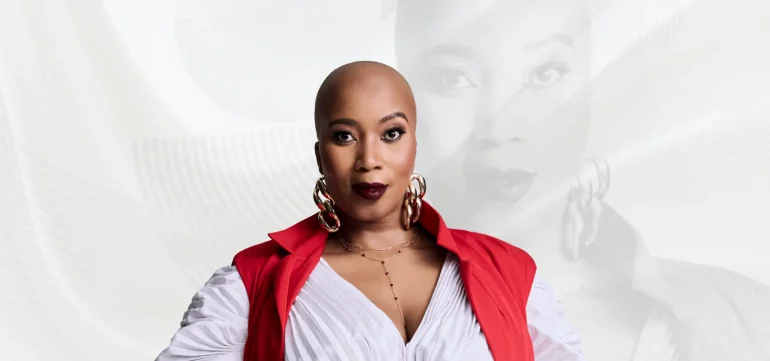

Strauss & Co Executive Director Susie Goodman joins Kaya Biz to unpack the economics behind the easel, revealing how digital transparency and accessible price points are opening South Africa’s art, design, and fine wine auction market to everyday collectors.
By Zuko Komisa
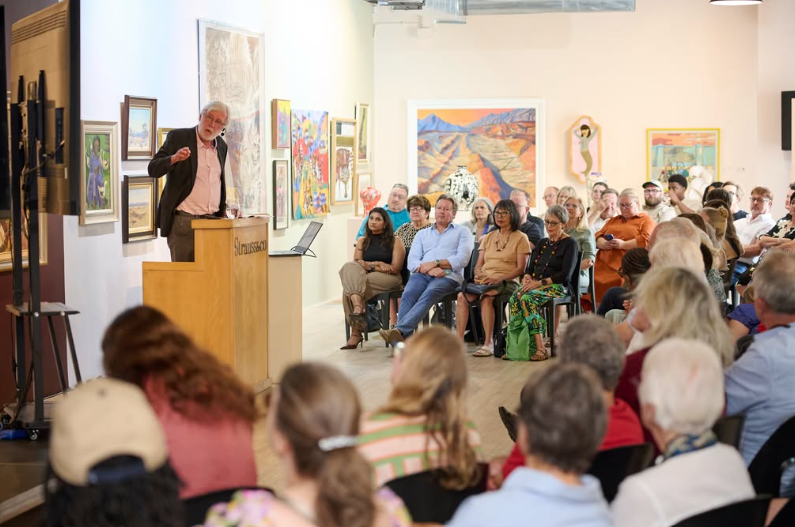
Often perceived as an exclusive playground for the ultra-wealthy, the world of fine art auctioneering is undergoing a major digital shift.
Speaking on Kaya Biz with Gugulethu Mfuphi, Strauss & Co Executive Director Susie Goodman unpacked the economics behind the easel, revealing how Africa’s largest auction house is making collectible art, fine wine, and design furniture accessible to a broader audience.
While headline-grabbing sales worth millions of rands capture public imagination, Goodman stressed that collecting is not solely the preserve of the elite.
Building an online platform just prior to the Covid-19 lockdowns allowed the company to trade continuously, reach global audiences, and demystify the auction process. By publishing historical sales data and price estimates openly on its website, Strauss & Co enables prospective buyers to research artists and compare values much like they would with a share portfolio.
“Whereas most auction houses globally don’t release all of their results on a website, we do because we feel it’s important,” Goodman explained.
“It’s important to give prospective buyers the opportunity to learn, to be able to say, ‘OK, I like this artist, I wonder who else was in this price bracket.'”
This transparency, coupled with a weak rand and competitive commission rates, has driven a 25% surge in international buyers seeking South African modernist works.
Locally, it has opened the market to everyday enthusiasts looking for quality pieces from 1940s furniture to fine wines like Kanonkop that rival standard retail prices while offering long-term investment value.
Goodman pointed to the recent estate sale of the late Advocate Ruth Cooper, whose collection of Irma Stern and Gerard Sekoto works purchased affordably during her lifetime delivered remarkable returns for her beneficiaries.
“We hear these big numbers and say, ‘Oh, my goodness, I can’t afford to go and buy a hugely fabulous painting at R5.2 million,'” Goodman noted.
“But the original owner probably didn’t buy it for that amount of money. They probably bought it for a much more reasonable price, and that asset has appreciated over time.”
Beyond individual wealth creation, Goodman urged local corporations to revive their art-buying programmes. With limited state funding for arts education, private enterprise plays a vital role in sustaining South Africa’s creative economy, ensuring galleries thrive and emerging artists gain exposure.
“People buying it, loving it, trading it, talking about it, sharing it is a way that actually could grow as a very significant part of our economy,” she said.
“You get a bit more than a certificate framed on your wall—living with some of these artworks… does sort of talk about life and the wonders of the creative environment.”
READ NEXT: