
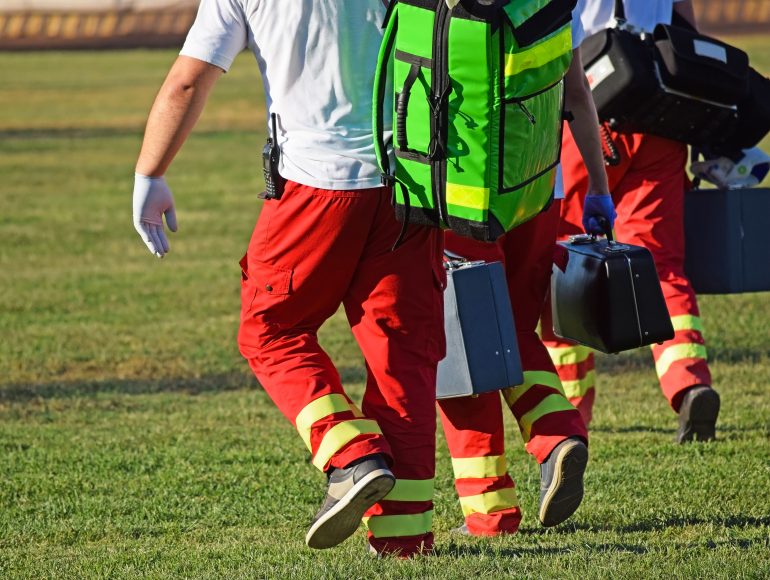
With the advent of the COVID-19 pandemic, healthcare professionals – frontline workers are exposed to a high risk of infection, mental health problems, fear of contagion and spreading the virus to their families. Challenges of living with a front line worker during a pandemic.
Being a frontline worker is already hard under normal circumstances without a pandemic that you know nothing about. It must have been challenging to keep a healthy relationship while keeping the nation healthy and safe and ensuring that your family is safe.
The Best T in the City, presenter Tbose Mokwele asks the listeners how living with a frontline worker during the COVID-19 pandemic. How does it affect your relationship?
READ: Health workers at Bara happy to receive J&J vaccines
One caller shared that they do have emotional support from work. Still, it is challenging to deal with the problematic situations that they go through at work.
Frontline workers have to put in more hours, which results in being emotionally stressed and on the verge of burnout. It must be challenging to try to keep and maintain a healthy relationship during a pandemic.
When they are off duty, all they want to do is sleep, recover from the physical and emotional fatigue they are exposed to on duty, but how do they do this while making not isolating their loved ones?
READ: Gauteng to vaccinate over 10.72 million people from Monday
Some of the challenges of Living with a frontline worker
They don’t feel pretty: when was the last time you were looking pretty going into work, wearing different earrings, makeup, head wraps and Afros. You don’t feel pretty, desirable and wanted…and when you get home, it takes a lot for you to feel human and sexy again.
They have bad dreams: they say never take work home, well with them works follow them home and into bed. Losing a patient, attending to a horrific car accident, watching a burnt body…all these re-emerge whilst asleep. They never rest.
They are always worried about others: imagine a nurse off duty. Your partner is supposed to be home recharging. Instead, your partner is more concerned about a patient she left behind. Sometimes they will call home on their break with nothing much to say. Sometimes something terrible happens at work, and calling home and hearing from their loved ones helps them feel better.
Considering them as individuals imply looking beyond their function as frontline responders and feeling their societal role as parents, spouses, and offspring.
Me & my partner,we are both frontline workers(Nurse & paramedic ).luckily none of has has tested covid-19 positive since this pandemic https://t.co/rIWcfm56mZ was emotionally & psychological taxing because 1 flu like symptoms will cause panic & anxiety.
— Kgadi Ya Dinkwe? (@mosimamabeba) April 26, 2021
A friend is and had to be in quarantine twice. 1st time was because a colleague passed due to Covid-19 and 2nd time he tested positive.
Talking to him daily he says “I am tired,mentally, spiritually and physically. I am depressed. I just need some rest”.He wants to quit his job.— Kedumetse Makape (@amogee) April 26, 2021




![[WATCH PODCAST] Mr. Mercedes drops highly anticipated project, joining forces with Thabo Smol and Spice Drums](https://www.kaya959.co.za/wp-content/uploads/2026/10/KAYA-959-THUMBNAILS-79-100x100.png)
![[WATCH PODCAST] Tumisho Masha commands the screen as colonel Jack Phatudi in M-Net’s new must-watch series](https://www.kaya959.co.za/wp-content/uploads/2026/10/KAYA-959-THUMBNAILS-78-100x100.png)