By Mapaballo Borotho
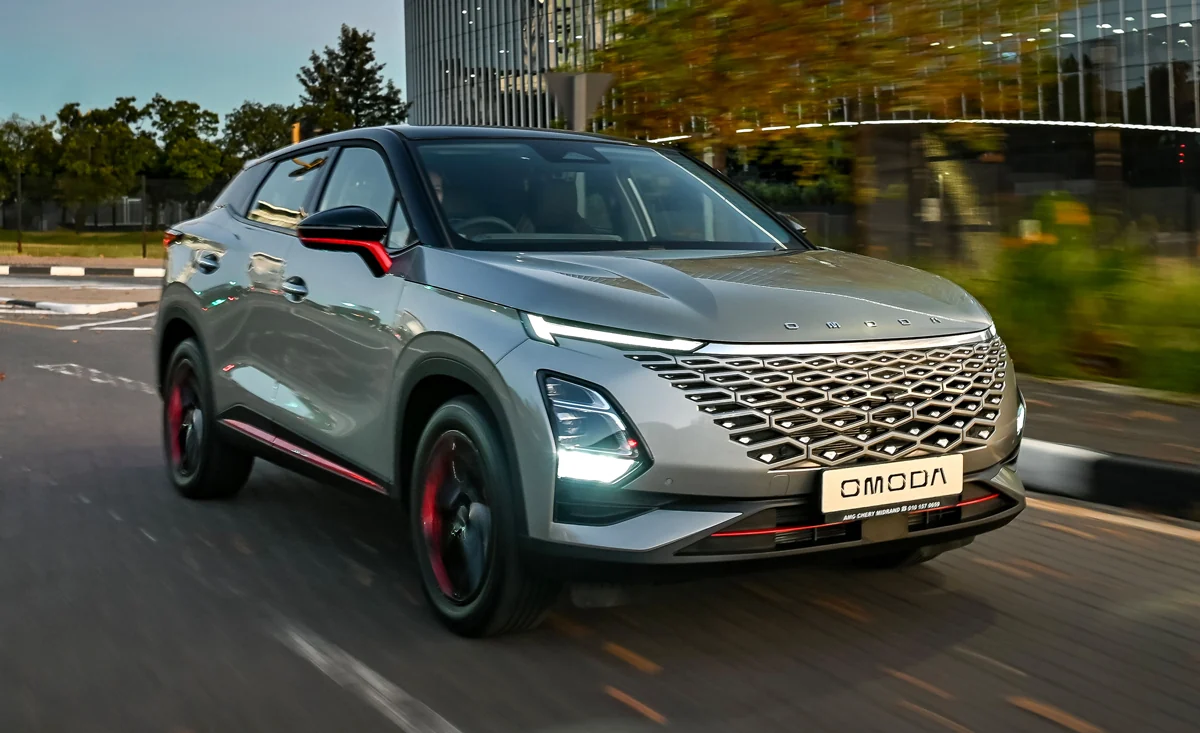
- More than 23,000 Chery and Omoda vehicles have been recalled in South Africa over safety-related defects affecting their braking systems and rear axles.
- The National Consumer Commission is urging affected motorists to verify their VIN numbers and contact authorised dealerships for free inspections and repairs.
- The recalls could renew questions about the safety, reliability and growing popularity of Chinese vehicle brands in South Africa.
More than 20,000 vehicles manufactured by Chinese automakers have been recalled in South Africa following the identification of safety-related defects that could put motorists and other road users at risk.
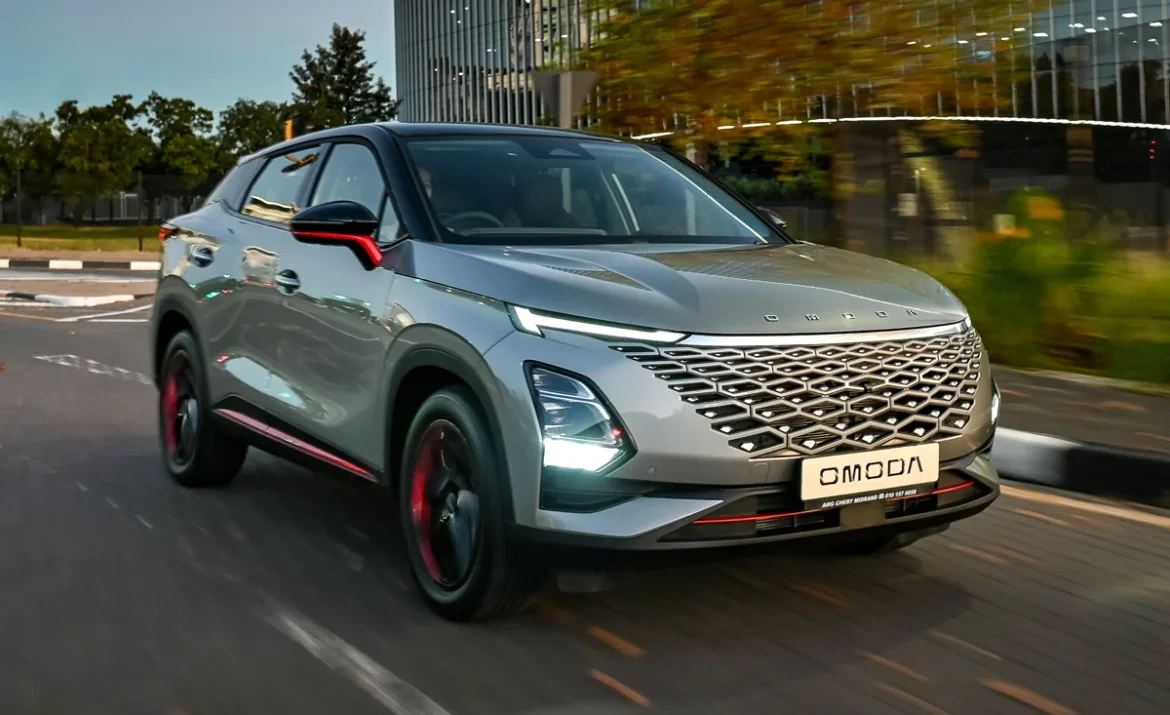
According to Chery International (Pty) Ltd, trading as Chery South Africa, the affected vehicles include the Chery Tiggo 4, Omoda C5 and Chery Tiggo 8 Pro Max 2.0.
Chery Tiggo 4
A total of 17,508 Chery Tiggo 4 vehicles, which were available for sale nationally between 17 October 2023 and 27 March 2024, have been affected by the recall.
According to the supplier, the affected vehicles may have welding irregularities on the rear axle sleeve. This could cause the rear axle to dislodge, resulting in the collapse of the rear suspension.
Chery Tiggo 8 Pro Max 2.0
Chery is also recalling 3,474 Tiggo 8 Pro Max 2.0 vehicles manufactured from 20 May 2026 onwards.
The front brake pipe in the affected vehicles may come into contact with the turbocharger assembly, causing wear and potentially resulting in brake-fluid leakage.
This could compromise braking performance and increase stopping distances, potentially leading to a collision, serious injury or death.
Omoda C5
A further 2,685 Omoda C5 vehicles have been recalled. The affected vehicles were made available for sale nationally between February 2023 and July 2026.
According to the supplier, the rear axle sleeves in these vehicles may have welding defects. This could cause the rear axle to dislodge, resulting in the collapse of the rear suspension.
What should affected motorists do?
The National Consumer Commission (NCC) is urging consumers who own the affected vehicles to contact authorised dealerships for inspections and possible repairs.
NCC spokesperson Pheto Ntaba advised motorists to check whether their vehicles are affected by verifying their Vehicle Identification Number (VIN) on Chery’s website.
“Visit Chery’s website to verify if the VIN number is affected. If it is unsafe to drive the affected motor vehicle, contact Chery’s authorised dealerships or their contact centre to arrange towing.
Any remedial work will be carried out at no cost to the consumer,” said Ntaba.
NCC Acting Commissioner Hardin Ratshisusu urged consumers to respond to the recall notices and reminded suppliers of their responsibility to notify the commission promptly about product recalls.
“Whilst we urge consumers to heed the call and respond to this recall, we also remind suppliers of their obligation to notify any product recall promptly.
To this end, the NCC initiated a separate investigation against Chery in October 2026 over allegations that certain vehicles were recalled without informing the NCC, with investigations still ongoing,” said Ratshisusu.
Chinese car brands gaining ground in South Africa
Chinese vehicle brands have become increasingly popular among South African motorists, with manufacturers such as Chery and Haval, as well as its parent company GWM, gaining a stronger foothold in the local market.
Their growing appeal has been driven in part by competitively priced vehicles that offer features and styling often associated with more expensive models.
However, Chinese vehicle brands have historically faced questions about their reliability and long-term durability, particularly when compared with established European and Japanese manufacturers.
The latest recalls could renew conversations among motorists about vehicle safety, reliability and the importance of manufacturers responding promptly when defects are identified.
READ NEXT: