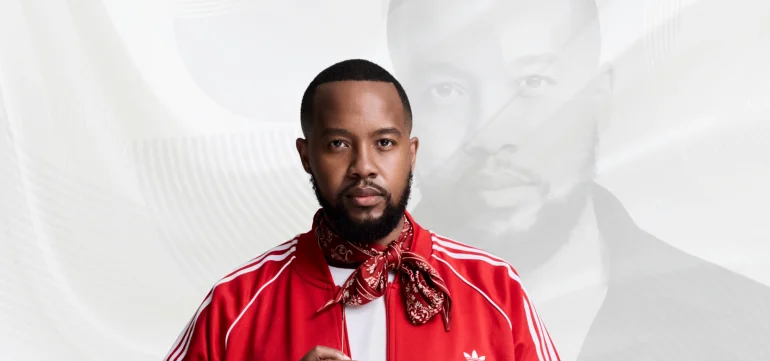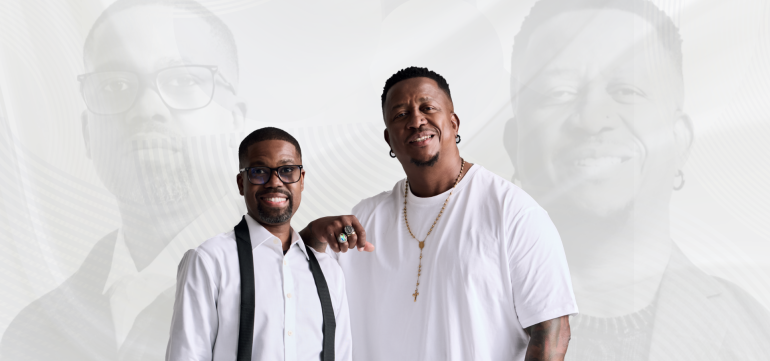
Zakes Bantwini on the dreams that started it all, his years in the boardroom, Harvard, and why Mayonie Open Air is about ownership as much as music.
Katlego Sekhu
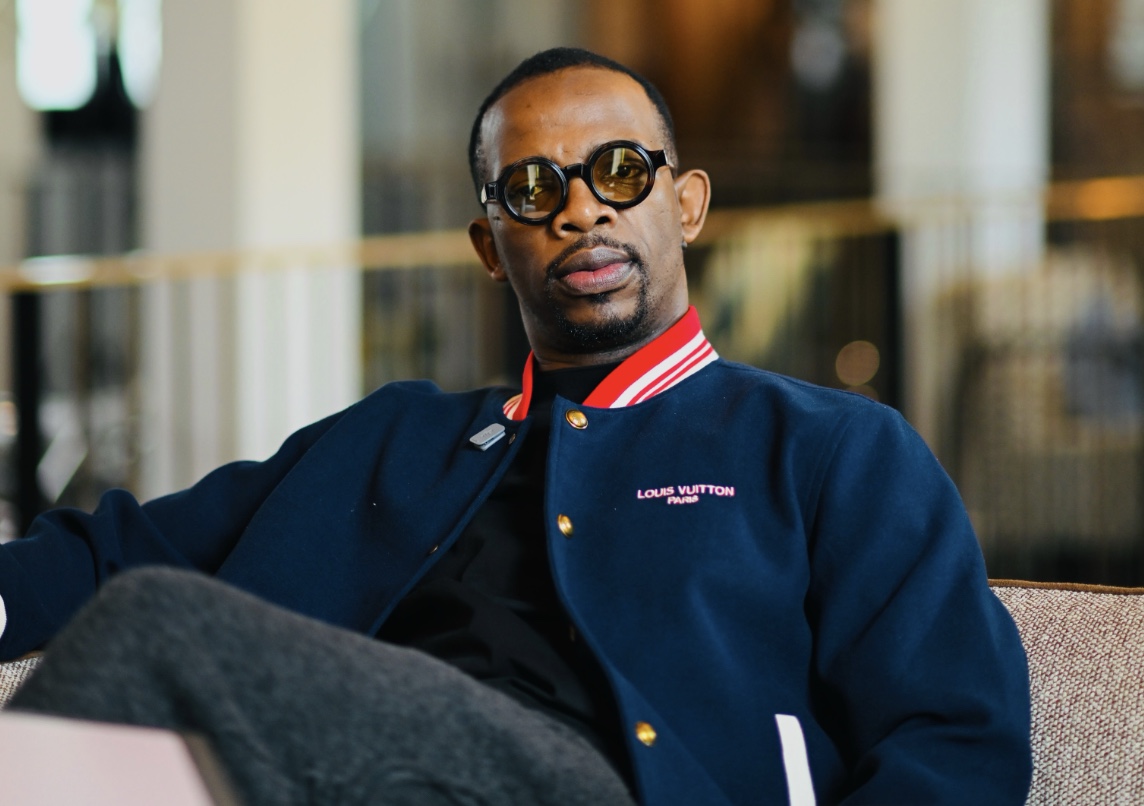
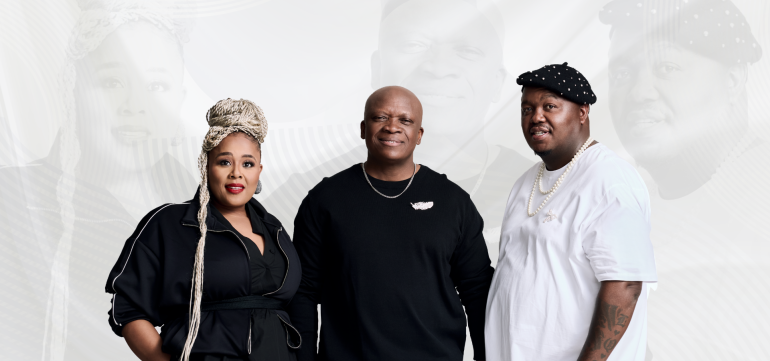
Ahead of Mayonie Open Air on 29 November, Zakes Bantwini sat down with Kaya 959 for an honest conversation about where his journey started, what the business side of music taught him, and why he believes African music needs African owners.
For the Grammy-winning musician, it began in front of a television. Growing up, the life he wanted only ever seemed to appear in music videos.
“Cars, houses, lifestyle. You could only see that in a music video.”
His mother, a teacher, believed in education. If he wanted to be a musician, she told him, he would have to study music. He did, and he says she was right.
“So many people are talented. Talent alone is not enough. I know it sounds cliche, but it really is not enough.”
Music school gave him something he calls human capital. It is where he met Black Coffee, along with many of the singers, guitarists and keyboard players he still works with today. Without it, he says, those relationships and that music would not exist.
To those who say he went quiet for a few years, he has a simple answer.
“I didn’t go quiet. I went to the boardroom.”
He spent that time as executive head of A&R at Sony Music, chasing one dream: a global superstar who still calls South Africa home. Seeing Tyla’s rise today, he says, is that dream coming true, and he credits many people in the industry for laying the groundwork.
The experience also showed him a gap. In his view, the country’s best executives have rarely been artists, and its best artists have rarely been executives. He has been both.
What frustrated him most was how small the map was for South African music. Global stars were played on radio across the continent, while South African artists were marketed mainly to neighbouring countries. That pushed him back to his own label, Mayonie, this time with a global outlook.
“We still don’t have a global label with African DNA representing South Africans.”
The decision to study at Harvard Business School came from what he calls thinking in probabilities. Most global companies are American, so he asked where the people who build them go to learn. Before Harvard, he says, going global was a dream with no map. Now there is one.
His classmates came from Formula One, football, the NFL and YouTube, and he leans on that network as Mayonie grows, including its move into sports representation. The company he would most like Mayonie to resemble is Roc Nation, which, as he points out, is run by a musician.
“I came out of there a different type of guy. I believe it activated my beast mode.”
That thinking sits at the heart of Mayonie Open Air. Performing overseas, he watched South African artists and crews fill a festival backstage, all brought there by a company owned in the UK.
“The day we all die, when we’re not on stage, nobody’s going to get paid. The money will always go to the UK.”
He sees the same pattern in Afro House, where international labels sign South African music and hold the masters, sometimes for decades. His answer is a business that does three things: Mayonie makes music, represents it, and owns the live experience through Mayonie Open Air.
He also wants young South Africans to dream beyond the stage, to become the managers, lawyers and publicists the industry is missing.
The dream, he says, is to inspire others to think like that.
READ NEXT: