By Mapaballo Borotho
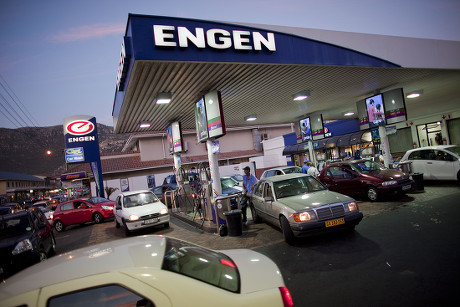
- South Africans will pay more than R30 a litre for 95 unleaded petrol from Wednesday, following the latest fuel price adjustments announced by the Department of Mineral and Petroleum Resources.
- The increases have been attributed largely to higher international oil prices and supply shortages, while changes to the slate levy have also contributed to the latest prices.
- The fuel price hike is expected to place further pressure on motorists, households and businesses, with rising transport costs likely to affect the price of goods and food.
The Department of Mineral and Petroleum Resources has confirmed that South Africans will start paying more than R30 for petrol as of Wednesday, 07 October 2026.
This follows the confirmation of fuel price adjustments by the Department on Monday, 05 October 2026. The latest increases will see motorists paying significantly more at the pumps, with 95 unleaded petrol moving above the R30 mark.
Last week, the price of petrol was predicted to reach the R30 per litre mark, which has unfortunately come to fruition, leaving many South Africans wondering what else they will be paying more for, with an increase in fuel prices and an increase in the repo rate having ripple effects on the country’s economy and consumer spending.
New fuel prices: How much South Africans are set to pay from Wednesday
Petrol 95 unleaded is increasing by R3.33, meaning a litre will now cost R30.25, while 93 unleaded is increasing by R3.12, bringing the price to R29.88.
The price of diesel will also increase by R2.84 and R3.24, while illuminating paraffin will increase by R3.58 and R4.00 at the retail level.
The Department of Mineral Resources and Petroleum’s spokesperson, Robert Maake, has attributed the increase in prices to higher oil prices.
“The reason for these adjustments are the higher oil prices on average during the period under review. The average international product prices for petrol, diesel and paraffin increased due to supply shortages globally.
The rand appreciated slightly against the US dollar during the same period. This slate levy increased by R4,38 cents per litre in the price structures for petrol and diesel, which brings the new slate levy to 87,66 cents per litre,” Maake added.
Ripple effect on the economy
This is one of the highest fuel price increases since the year began, which will put a severe strain on residents, motorists, businesses, and the country’s economy.
The soaring petrol prices in South Africa have far-reaching effects on transport and food costs, with significant consequences for consumers, businesses, and the economy as a whole.
As transport costs increase, the price of goods, particularly food, follows suit, placing further strain on already stretched household budgets.
READ NEXT: