An exclusive Kaya 959 Q&A with Creative Director Tebogo Mogola on the vision, staging, and historic moments behind the Scorpion Kings’ sold-out FNB Stadium concert.
By Zuko Komisa
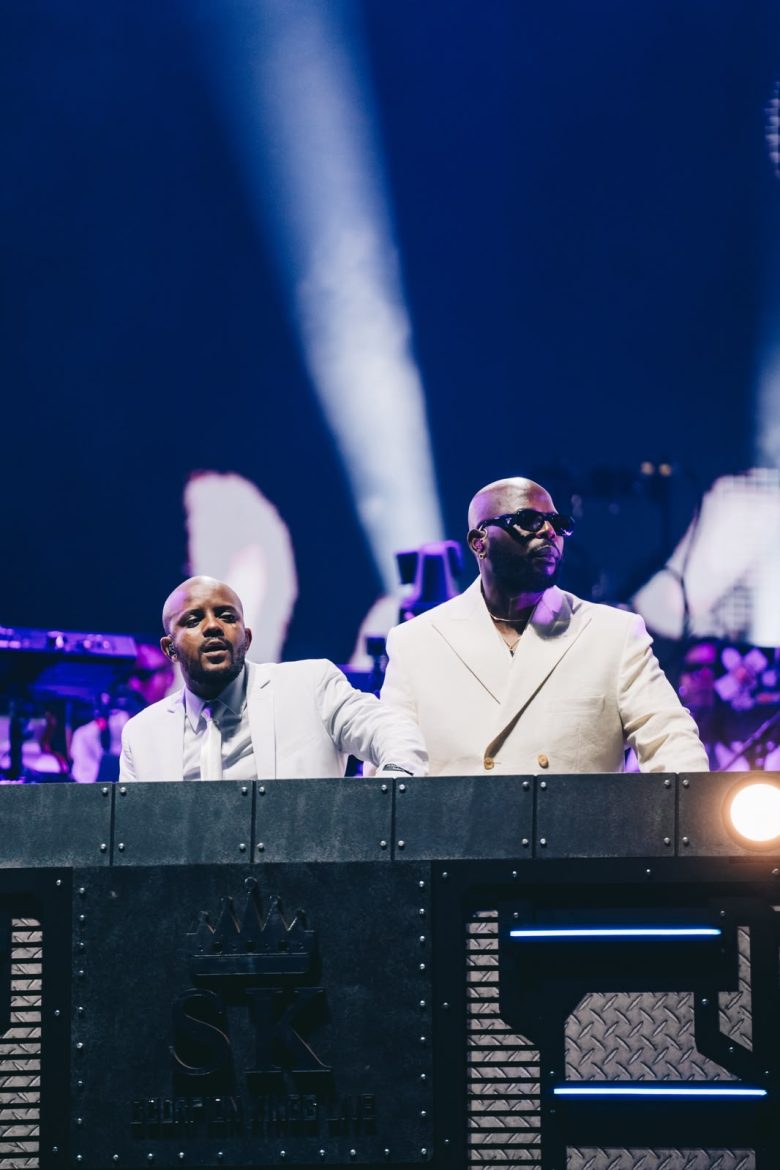
As Amapiano continues its unstoppable march from the bustling streets of local townships to the biggest stages across the globe, few moments have captured its cultural dominance quite like the Scorpion Kings concert. For Kaya 959 listeners and music lovers alike, the historic stadium showcase wasn’t just a concert it was a watershed moment for South African live entertainment.
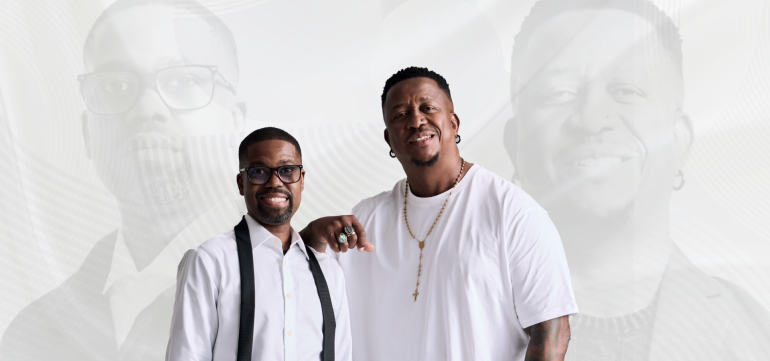
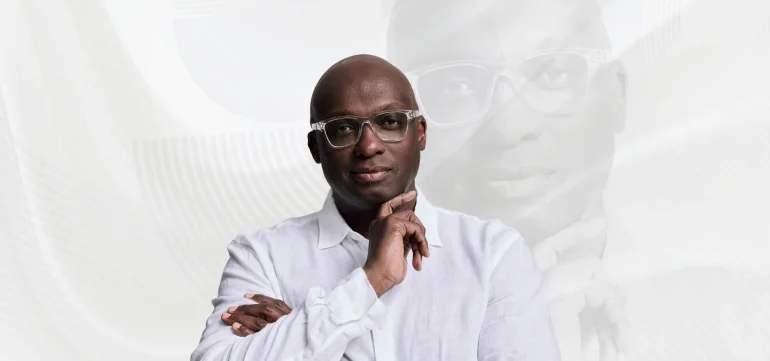
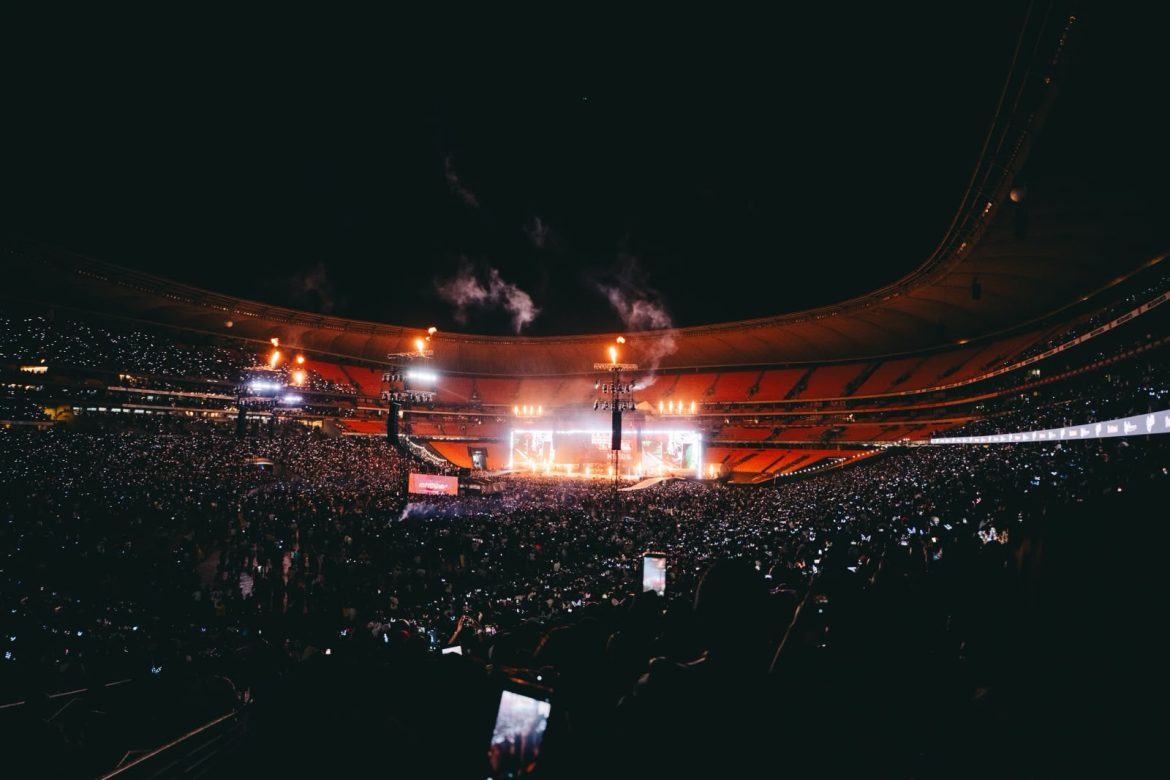
On Saturday, 19 September, more than 74,000 people filled FNB Stadium for Scorpion Kings Live, the sold-out Amapiano spectacle led by DJ Maphorisa and Kabza De Small. Behind the night’s most talked-about visual moments stands Tebogo Mogola, one of South Africa’s most respected creative directors in television and live entertainment.
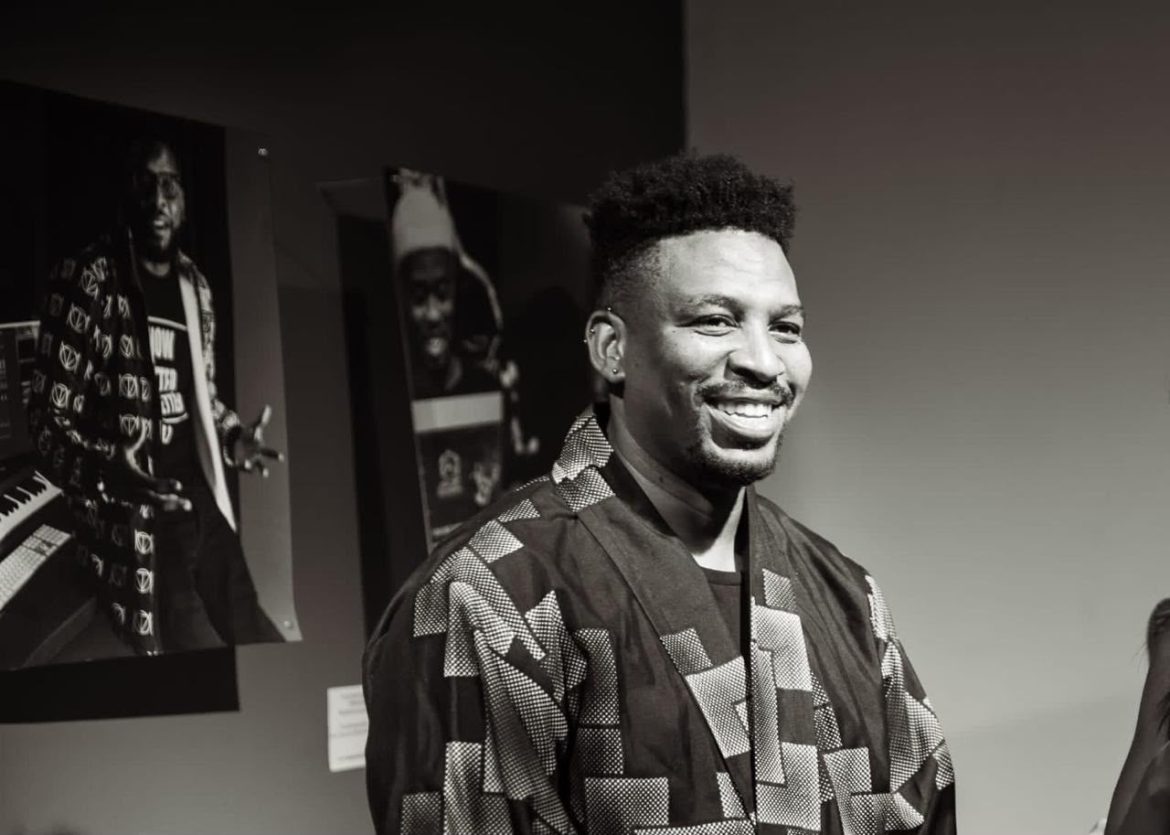
Mogola helped shape the production’s singular visual language one that carried a recurring crown motif and a narrative arc built across three chapters (heritage and memory; people and sound; the hood and the world), threading more than 70 artists into a single cultural story.
At the heart of that monumental production was Tebogo, the Creative Director whose visionary storytelling transformed a massive stadium into an immersive celebration of youth, heritage, and the architects of the genre.
In this exclusive Q&A, Tebogo pulls back the curtain on the triumphs, the challenges, and the burning pianos that made history.
Now that the concert is done, what do you feel was the defining creative idea behind the Scorpion Kings experience, and how well do you think it came through on the night?
Tebogo: For me the biggest idea was elevation—literally and figuratively. The moment where we had the crown rise, it wasn’t just an effect. We rose that crown for the 1976 youth. It was a reminder of the kings and queens that we are. That we as a culture, as a genre, have built something that deserves to be elevated and celebrated at that level.
The intention from the start was to go beyond just music performances. We wanted to offer a full entertainment narrative that speaks to Amapiano as a culture, as a lifestyle, as a world-class genre. And that story had to be anchored by its architects—DJ Maphorisa and Kabza De Small. Everything, from the staging to the storytelling and energy, was built around honouring their journey and what the Scorpion Kings represent to the culture.
I think that came through really powerfully on the night. If you think about it, Amapiano is the biggest genre in the country, but the reality is these guys are gigging every single weekend in clubs, small venues, and festivals. Now you have to come and sell the idea that we are doing a stadium. We have colour palettes, a theme, rehearsals, and a creative narrative, trying to coordinate over 60 performers from main acts to backing vocals and a full band.
What were some of the biggest creative and production challenges you faced in bringing the concert to life, and how did you overcome them?
Tebogo: You can see how that can be a hard sell; it’s a complete mind-shift from how things are normally done. You have to sell that vision over and over again to different camps and managers until everyone is aligned and sold on it.
What really helped us overcome that was that Maphorisa and Kabza De Small were the first ones who were sold on the idea. Once the Kings themselves believed in the elevation, it became easier to bring everyone else along with us.
Were there any particular moments during the concert that stood out to you as a creative director—moments where you thought, “This is exactly what we wanted to achieve”?
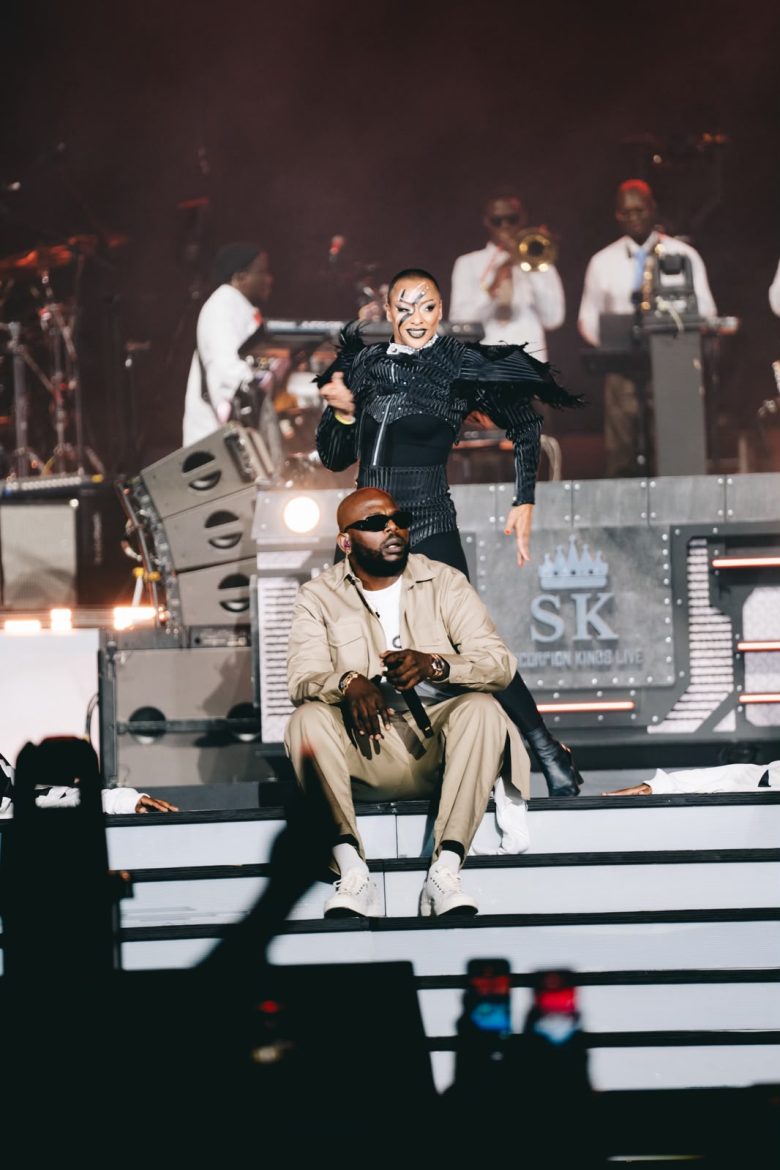
Tebogo: There were two moments for me where I just thought—this is exactly it. The biggest win on the night was the music; we are blessed with hits, but we needed standout viral moments.
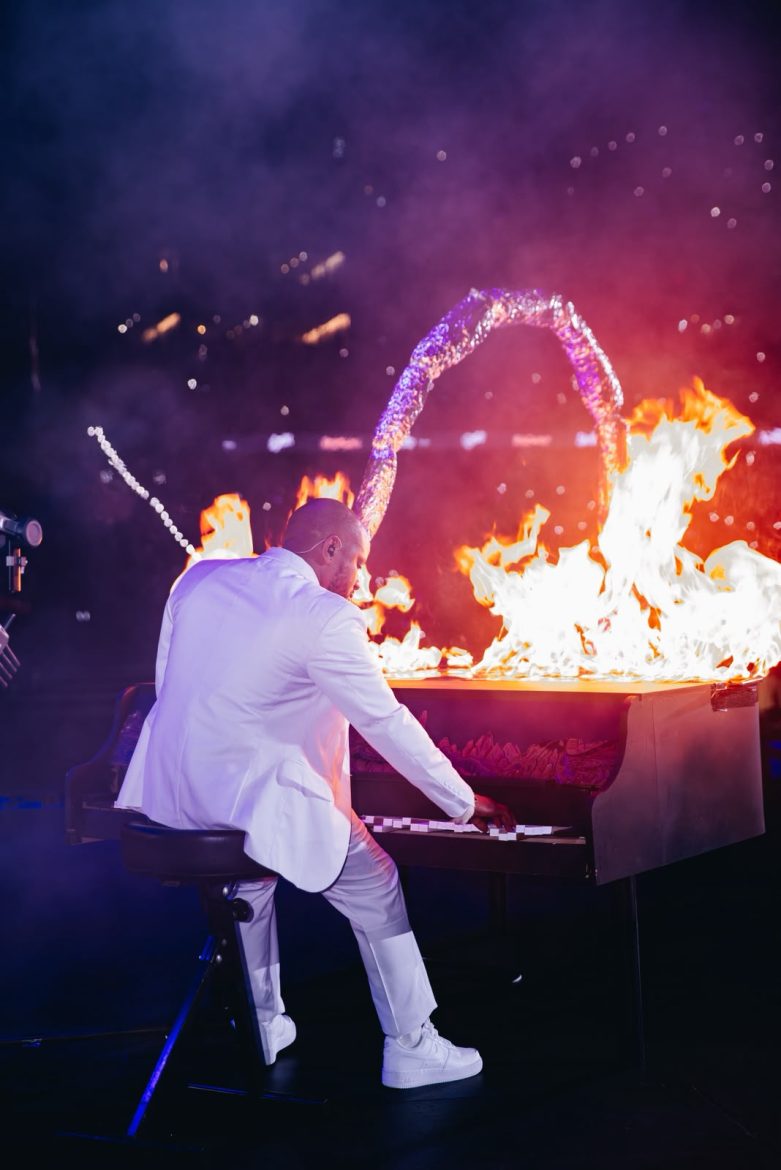
The first was Kabza De Small with the burning piano stunt. We had a live audience, real flames—that takes serious coordination, safety, and we had one shot to get it right. But seeing Kabza play a burning piano live in front of everyone, that was driving the narrative: the music is on fire, the genre is on fire, and we are literally leaving dance floors in flames. That picture will live forever.
The second was DJ Maphorisa’s entrance. He arrived in a BMW Gusheshe—which is such an iconic car that speaks to South African culture, recognized around the world. It also says a lot about Phori, showing his love for car culture. What I had in my head was him arriving on stage to a cheering audience. To ensure we landed it, we shot a convoy of Gusheshes around FNB Stadium and you see him enter the stadium. He steps out the car, walks to a music box, opens it, and inside the music box is Lorcia Cooper—legendary dancer, choreographer, and actress popular from the hit show Backstage. It was an iconic moment for music and dance culture coming together, seeing the Kings pay homage to such an icon.
The Scorpion Kings have such a strong identity. How did you translate their sound, personality and influence into the stage design, visuals, lighting and overall atmosphere?
Tebogo: Scorpion Kings are culture, full stop. When you see people showing up at the event from 12 o’clock wearing Scorpion Kings merch oung and old, different races you know the wave is coming. Their identity is bigger than music.
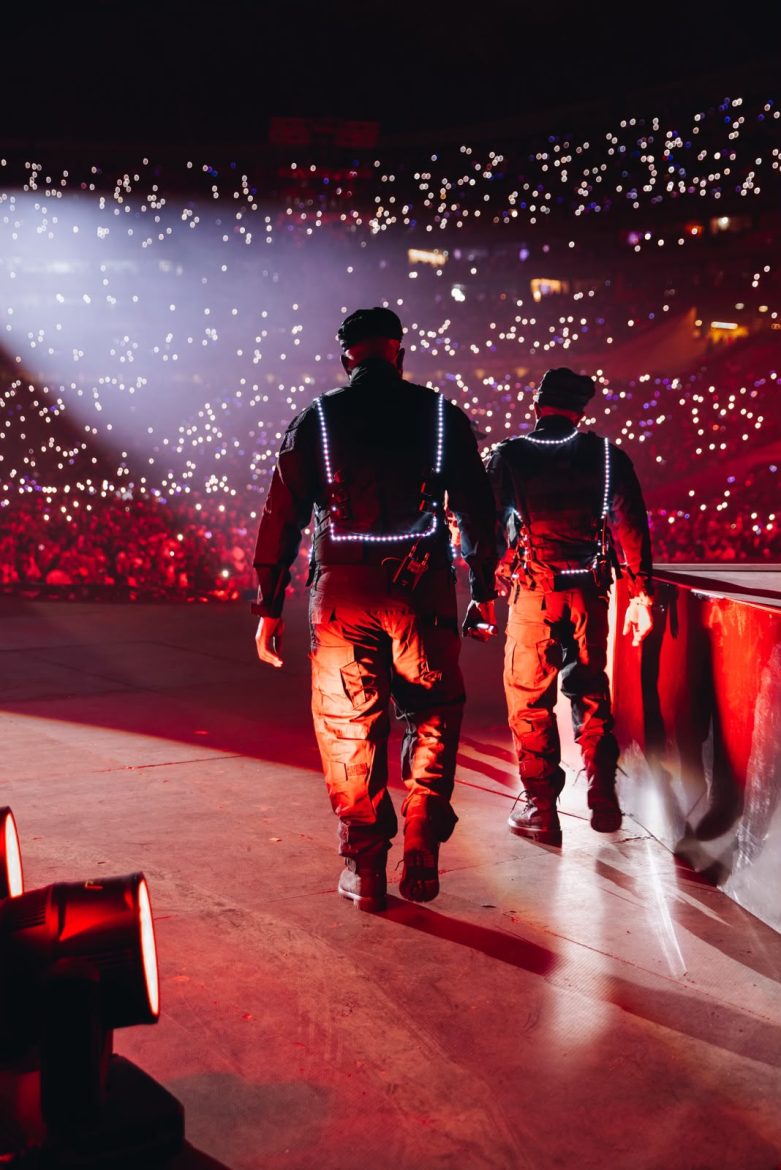
For us, we set out to break down the show into chapters to translate that sound and influence. Chapter one was focused on the crown rising and the street bangers. For that, red, black, and white were dominant—from the outfits complementing the look and feel, to the lighting, to the stage. The visuals were my visual adaptation of the songs themselves. Every visual spoke directly to the song that was playing, and we had a very strong lighting design both on stage and around the entire stadium. The idea was to include the audience as part of the show, so you felt it all around you.
What did you learn from this production about how South African audiences experience and respond to large-scale Amapiano shows?
Tebogo: What I learned is that the idea that bigger budgets and bigger production value is only reserved for international acts is not a real thing. South African audiences are ready. The audience is there and they want this level of show. They want to see our own genres treated with the same respect, scale, and production as any international act.
But we need Corporate South Africa and all brands to be behind our arts and music. They need to open the wallets now. Seeing Sony Music led by Katlego Malatji and Refiloe Ramogase put their money where their mouth is, and Phori and Kabza themselves backing it, with Thuli their manager being fully integrated into the process, that showed what’s possible when everyone commits. The truth is, when you do it at this level, it’s also an economic mover with all the parts related to it—jobs, suppliers, and small businesses around the stadium. The appetite is there, and I can’t wait to see this show travel around.
Amapiano has become a global phenomenon. From your perspective, how has the growth of the genre changed the ambition and standard of South African live productions?
Tebogo: We are the hub of Amapiano, full stop. With that said, we need to have a global approach to how we produce it. We’ve seen how the genre has been embraced in different African countries and even in the international market. Our artists are travelling the world now, playing massive stages out there, and they come back inspired.
And that inspiration has brought change in how they do things and how they present their craft locally. There’s a new ambition, a new standard. That naturally leads to improved production value and a better offering to the audience. The genre has gone global, so our production must go global too.
Looking back at the concert now, what are you most proud of—and is there anything you would do differently if you were given the opportunity to create the show again?
Tebogo: I’m super proud because it proved that our people can do things at the highest level. From a production level, to how the audience showed up, to the level of quality they received—that idea that this standard is only reserved for international acts is DONE. We showed we can do it, and we can do it at an even bigger scale.
If I had to do it again? We creatives always want more time. It would have been great to have more time to plan even more layers. And I would love for it to go live on TV or YouTube so that the rest of the country and the world can experience it the same way the people in the stadium did. That energy deserved to be shared live with everyone.
About Tebogo Mogola
Tebogo Tariq Lepito Mogola has spent over two decades building a reputation as a creative and art director across television and live entertainment. He previously served as Creative Director at Paramount Africa and holds a creative-director credit on the television series Queendom (2024). Prior to that, he worked as a Creative Director at Don’t Look Down (2018–2022).
![[EXCLUSIVE] Inside the creative vision of the legendary Scorpion Kings Concert](https://www.kaya959.co.za/wp-content/uploads/2026/10/WhatsApp-Image-2026-10-05-at-12.54.14-100x100.jpeg)