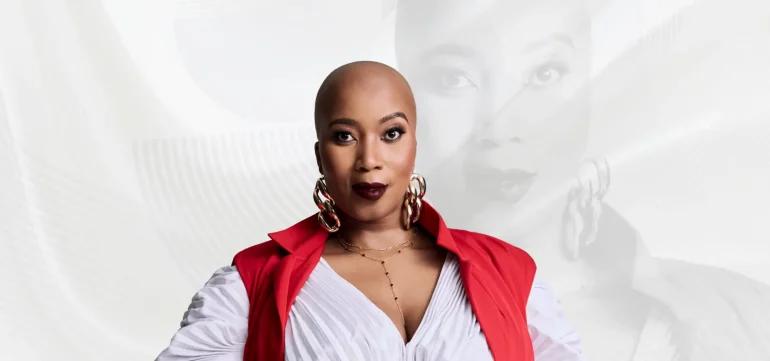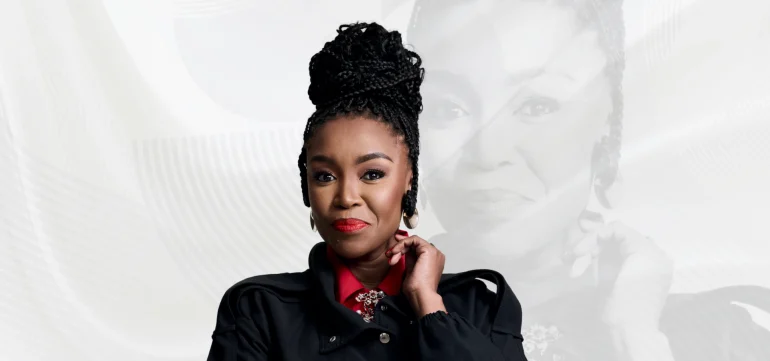

Akhona Makalima recently sat down with My Top 10 at 10 with Tbose for an honest conversation about family, football and the mindset it takes to hold the whistle.
Katlego Sekhu
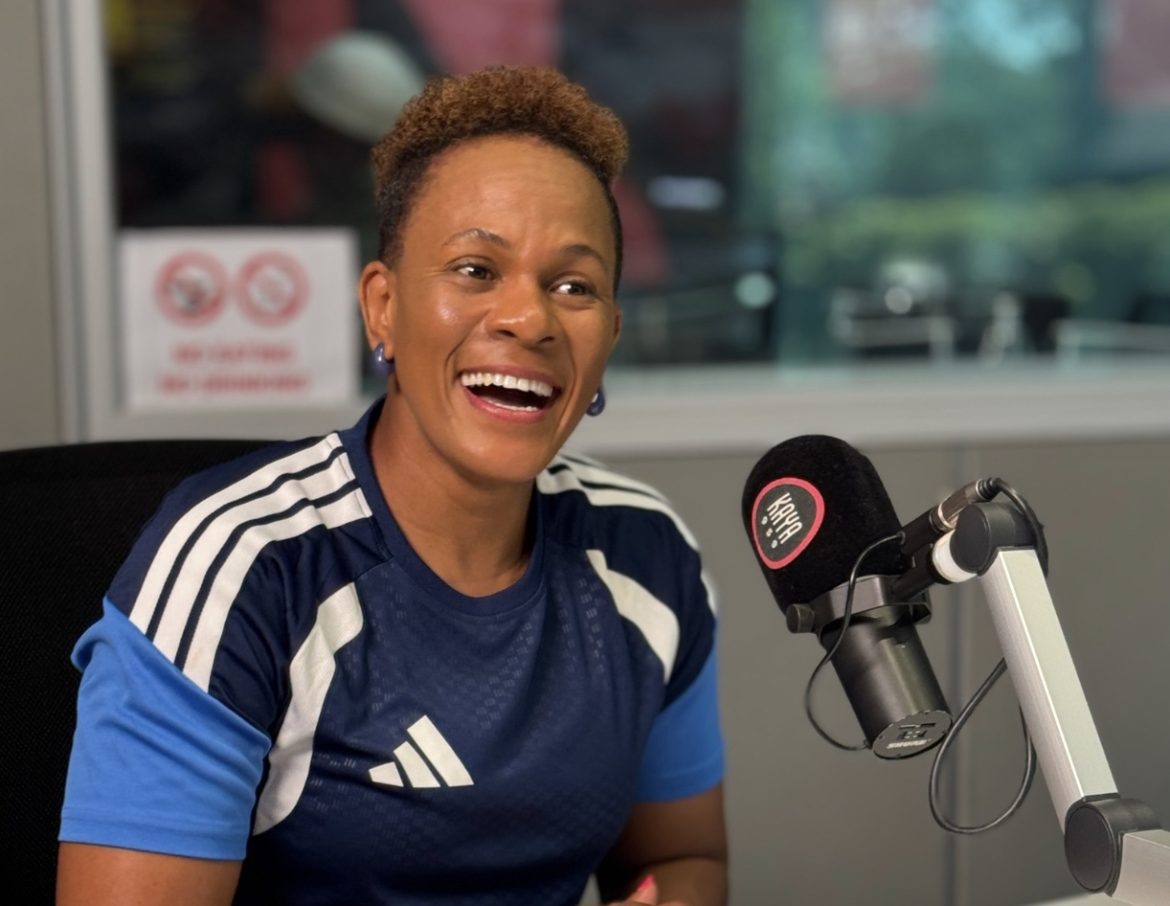
The FIFA and SAFA referee was raised by her grandparents. Her grandmother was a principal and her grandfather a priest, in a household of around 25 grandchildren.
“My grandfather is the person who shaped everything that you see today.”
With only about five boys among them, the girls were never limited to certain chores. “We were never told that this one is going to do this,” she says. It was her brother who taught her to cook and iron.
She grew up in a rugby community where girls playing alongside boys was normal, and her grandfather supported almost everything she tried. Even when she couldn’t see him at the stadium, he would come home after her athletics races and tell her everything that had happened.
High school brought a change. She moved in with her mother, who saw sport as a short career that might never pay off.
“There were times when she stopped me from playing football completely.”
So Akhona did every chore asked of her, just to earn time for a run. Her mother’s message was clear: “I want you to go, graduate, go look for a job.”
The turning point came at college, where her mother was a campus head at another campus. At a college event, she watched a girl on the field and was told it was her own daughter. When Akhona was later selected for the Eastern Cape colleges, her mother stepped back and let her play. Today, she is her biggest fan.
Fourteen years into her career as an international referee, Akhona still faces people who blame her mistakes on her being a woman. Criticism of her fitness or positioning, she accepts. “I’ll take it because this I have control over.”
Questioning her because of her gender is different. “Now you are basically dehumanising. You are playing the man, not the ball.”
She credits her grandfather, who was “just black and white”, for how firmly she holds her ground. “It is or it is not. It’s yes or it’s no.”
That same clarity shapes how she handles not being selected for major tournaments. “When I have given everything and then I’m not selected, I don’t regard that as failure.”
To hear the full interview, listen to the podcast.
READ NEXT: