By Mapaballo Borotho
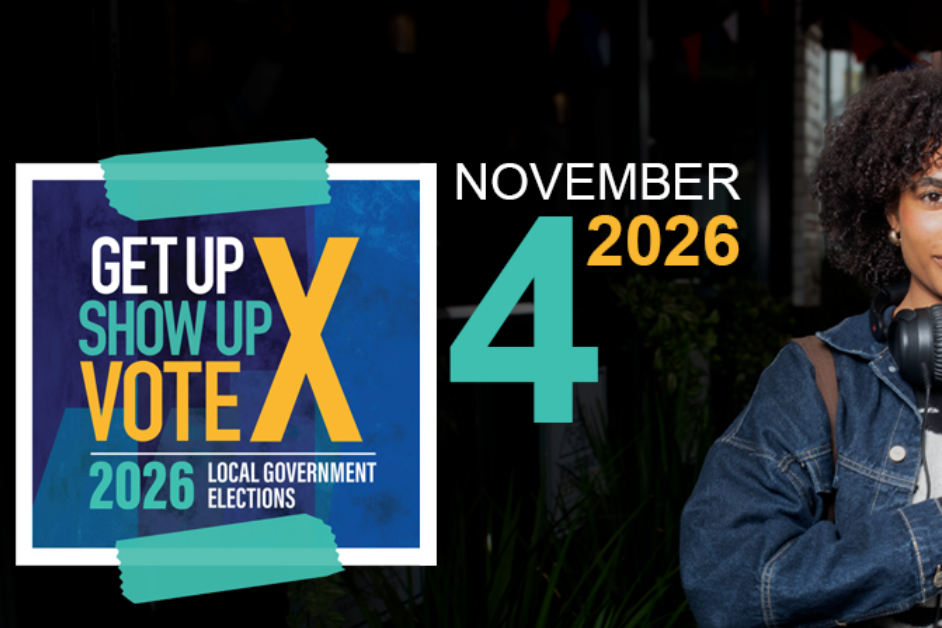
South Africans who are eligible and registered to vote will head to the polls on 4 November 2026 for the local government elections.
For some, this will be their first time voting, and they may be unsure about what to expect at the voting station. Even for experienced voters, there may still be questions about how local government elections work, the different ballot papers and what happens after the votes are counted.
Kaya 959 has compiled some of the most frequently asked questions from Johannesburg residents to help you navigate the 2026 local government elections.
1. Who is eligible to vote in the upcoming local elections?
South African citizens who wish to vote in the local government elections must be:
- 18 years or older;
- registered to vote; and
- in possession of a green, barcoded South African ID book, smart ID card or valid Temporary Identity Certificate (TIC).
Voter registration is currently closed. If you are not registered on the voters’ roll, you will unfortunately not be able to vote in the November 2026 elections.
2. What are local government elections and why do they matter?
Local government elections are elections in which South Africans vote for representatives who will serve in their local municipalities and make decisions that directly affect their communities.
Municipalities are responsible for many services people rely on every day, including water, electricity, refuse collection, sanitation, local roads and other municipal infrastructure.
Why should you vote?
Simply put, because your vote gives you a say in who represents your community and how your municipality is run.
If you don’t participate, other voters will decide who represents you.
3. How many ballot papers will you receive?
When you vote in a local government election, the number of ballot papers you receive depends on the type of municipality in which you live.
In a metropolitan municipality, such as Johannesburg, voters receive two ballot papers:
- One ballot is used to vote for a ward councillor who will represent your ward.
- The second is the proportional representation (PR) ballot, where you vote for a political party.
Your ward vote can be for a candidate representing a political party or, where applicable, an independent candidate.
Your elected ward councillor represents the interests of your community in the municipal council and can raise local service-delivery concerns with the municipality.
4. How do you know where to vote?
Registered voters must vote at the voting station where they are registered.
You can check your voting station and registration details through the Independent Electoral Commission (IEC).
If you have moved since you last registered, you should have updated your address details before the voters’ roll was certified.
With the voters’ roll now certified, voters can only vote in the ward where they are registered.
You can confirm your registration details by:
- SMSing your ID number to 32810;
- sending “Hi” on WhatsApp to 0600 88 0000; or
- calling the IEC’s toll-free number on 0800 11 8000.
5. What happens if you don’t vote?
There is no legal penalty for choosing not to vote in South Africa.
However, not voting means you are giving up the opportunity to have a say in who represents your community and how your municipality is governed.
Local government decisions can directly affect your everyday life, from electricity and water to refuse collection, roads and other municipal services.
Your vote is your opportunity to have a say in who is responsible for making those decisions.
6. What are special votes?
A special vote allows a registered voter who is unable to vote at their voting station on election day to apply to vote during a designated period before election day.
You may apply for a special vote if you:
- are unable to travel to your voting station because you are physically infirm, have a disability or are pregnant; or
- cannot vote at your voting station on election day for another qualifying reason.
For the 2026 local government elections, special votes will take place on 2 and 3 November 2026.
7. What is a coalition government and how is a mayor chosen?
A coalition government is formed when two or more political parties agree to work together to govern because no single party has enough seats to form a majority on its own.
This can happen when election results produce a hung council, where no party wins more than half of the available council seats.
In a coalition, parties may negotiate agreements on issues such as who will become mayor, speaker and members of the mayoral committee, as well as how the municipality will be governed.
According to IEC’s David Mandana, parties in a coalition may agree beforehand on a mayoral candidate and commit to supporting that candidate when the council votes.
However, coalition agreements can change. If parties withdraw their support, the governing arrangement can become unstable and the mayor could face a motion of no confidence.
The mayor is ultimately elected by the municipal council through the prescribed voting process.
8. Where can you get more information?
For more information about the 2026 local government elections, including your registration status, voting station and ward details, visit the Independent Electoral Commission (IEC) website (IEC Home – Electoral Commission of South Africa)
Your local election vote determines who represents you closest to home – so make sure you understand your ballot before you head to the polls.
![[WATCH PODCAST] Omar on his ninth studio album and why Stevie Wonder and Erykah Badu call him their ultimate musical idol](https://www.kaya959.co.za/wp-content/uploads/2026/10/KAYA-959-THUMBNAILS-6-1170x658.png)

![[WATCH PODCAST] Omar on his ninth studio album and why Stevie Wonder and Erykah Badu call him their ultimate musical idol](https://www.kaya959.co.za/wp-content/uploads/2026/10/KAYA-959-THUMBNAILS-6-100x100.png)