

By Zuko Komisa
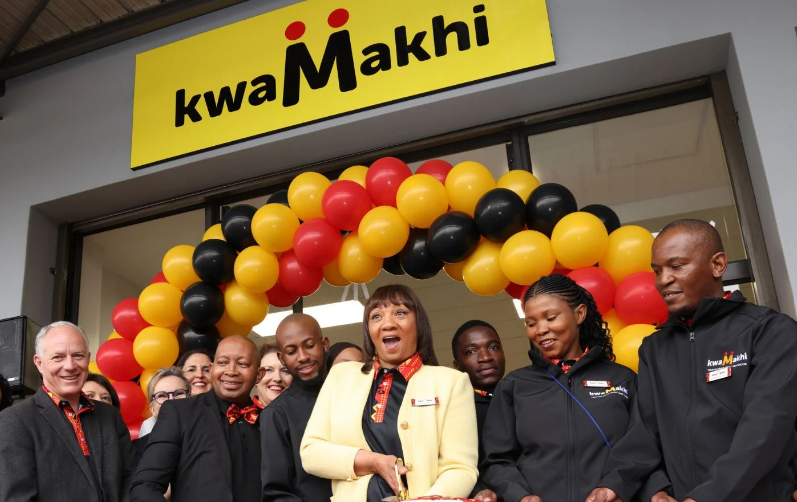
- Clicks has launched its new township focused retail chain, KwaMakhi, to tap into South Africa’s R900 billion informal economy.
- Tailored for high-density communities, the compact stores bypass costly transport fees by offering smaller product sizes and everyday low pricing within walking distance.
- Backed by an initial R30 million investment for a 10-store trial phase, Clicks aims to bridge the gap in underserved areas where traditional mall formats cannot reach.
Clicks is pushing deeper into South Africa’s township economy with a new retail brand designed to capture market share from informal vendors.
The group opened its inaugural KwaMakhi branch on Thursday in Tembisa, northeast of Johannesburg. Meaning “at my neighbour’s” in several local languages, KwaMakhi focuses on high-density, lower-income areas, providing everyday essentials within walking distance so shoppers can avoid transport costs to formal shopping centres.
The chain enters the market at a time when slowing growth is driving grocery giants like Shoprite into health, beauty, and personal care traditionally Clicks’ core stronghold.
Nevertheless, spending among lower-income demographics remains resilient, with the township economy estimated at R900 billion annually.
The KwaMakhi format operates on a much smaller scale than standard Clicks outlets, with stores ranging between 280 and 350 square metres compared to traditional 550 to 1,500 square metre layouts. Product refill stations for creams and personal care items are set to launch around October.
Kaya Biz with Gugulethu Mfuphi spoke to Chief Executive Officer Bertina Engelbrecht who noted that KwaMakhi also aims to reverse the global trend where poorer consumers end up paying more for basic goods. Engelbrecht stressed that long-term success relies on regulatory authorities enforcing product standards, minimum wages, and tax compliance across all market competitors.
“KwaMakhi allows us to serve communities directly where they live, offering affordable, quality personal care and essentials without the burden of transport costs.”
Listen to the full conversation here:
READ NEXT: A first for SA: Steve Biko Academic Hospital recognised as an essential stroke centre